There is a moment, before every photographic journey, when I stop looking at images and try to truly understand a place. I read, I study, I watch films and documentaries, I listen to stories. I do not like arriving in a country empty-handed, especially in Asia, a continent I continue to love because it forces you to slow down your gaze, and your thoughts.
South Korea had long been a destination I wanted to photograph. Perhaps because of its cinema, perhaps because of its ability to constantly coexist between tradition and modernity. Before leaving, during one of the many searches I made while preparing for the journey, I came across the Haenyeo.
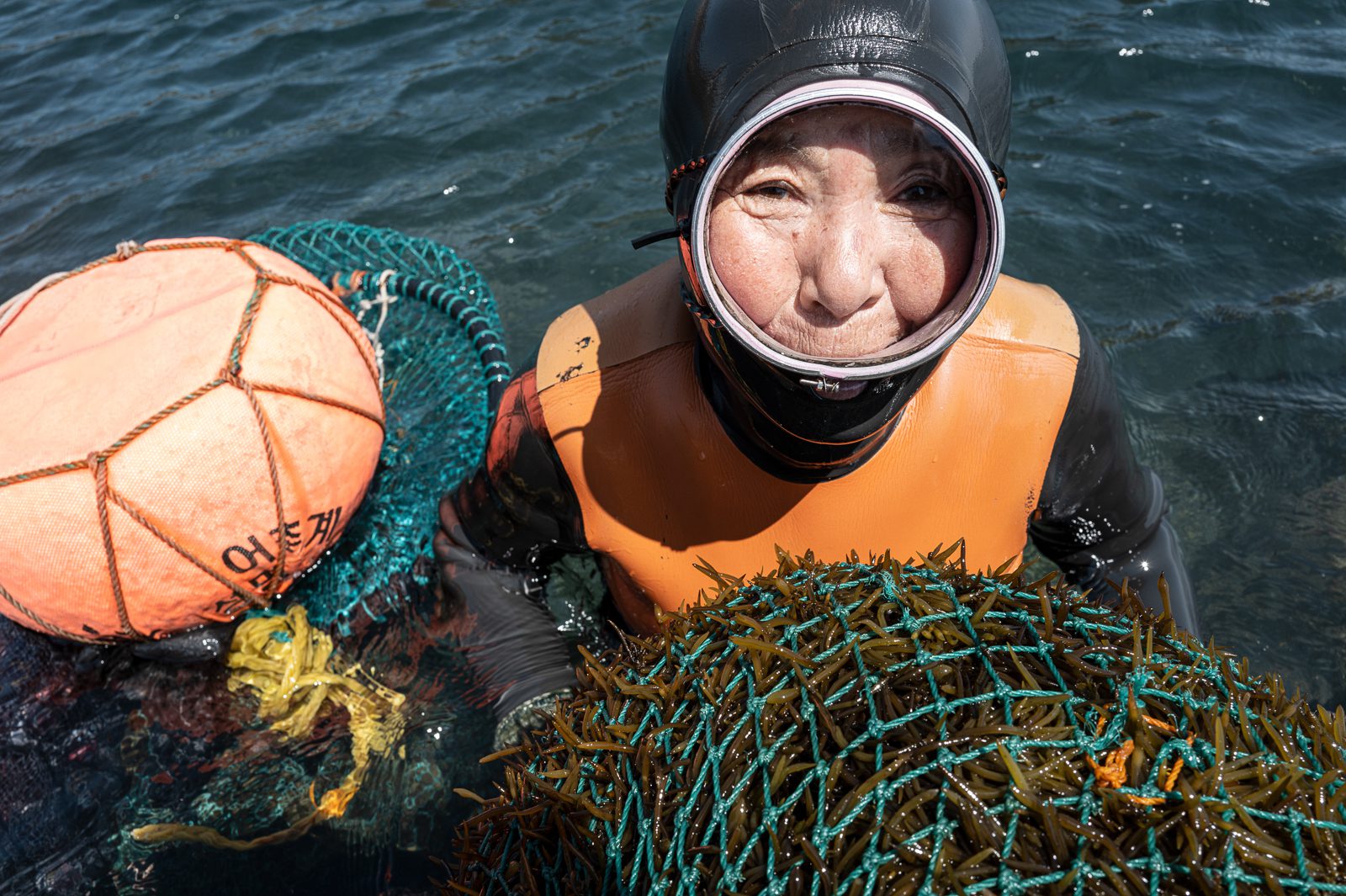
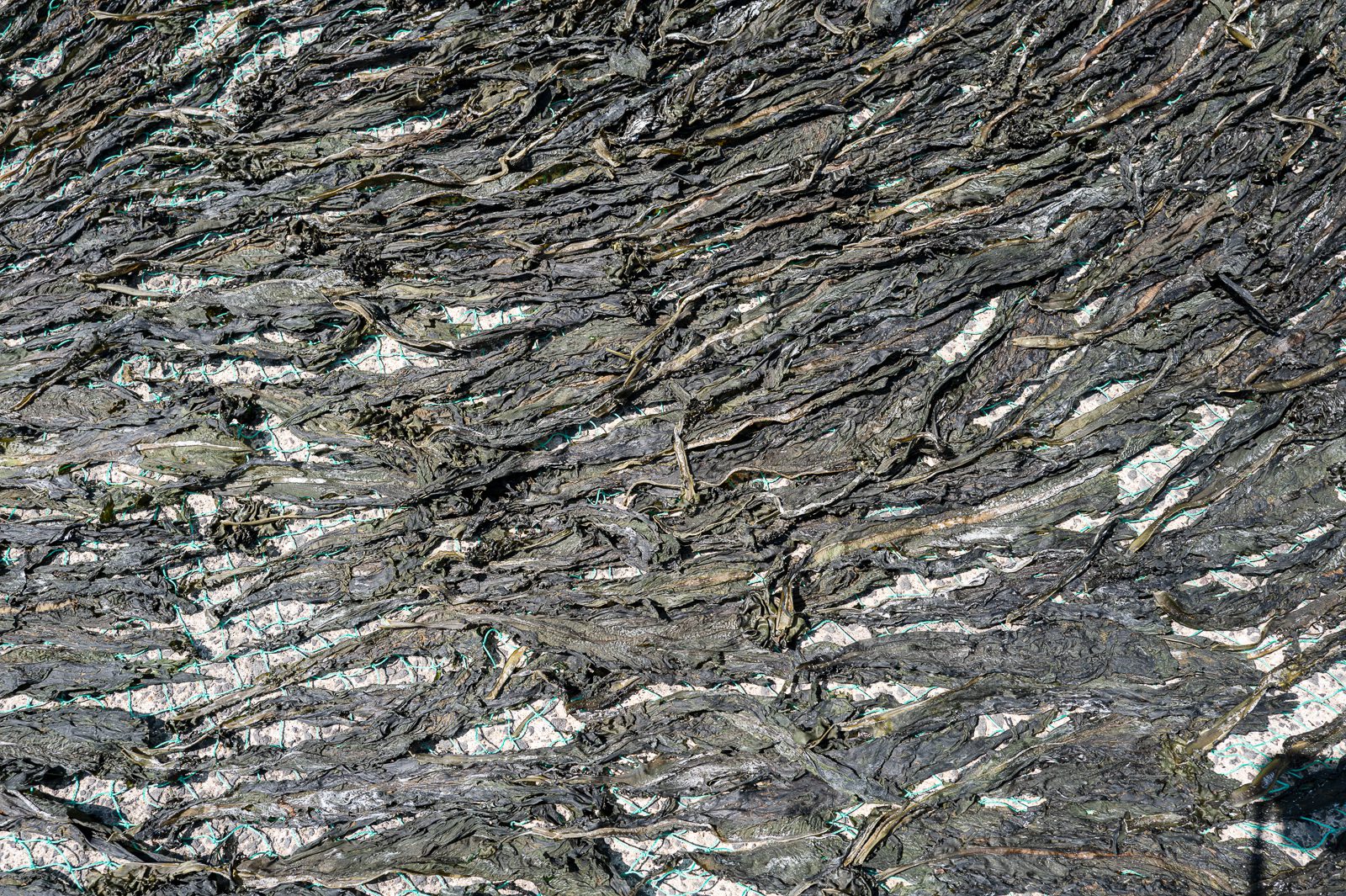
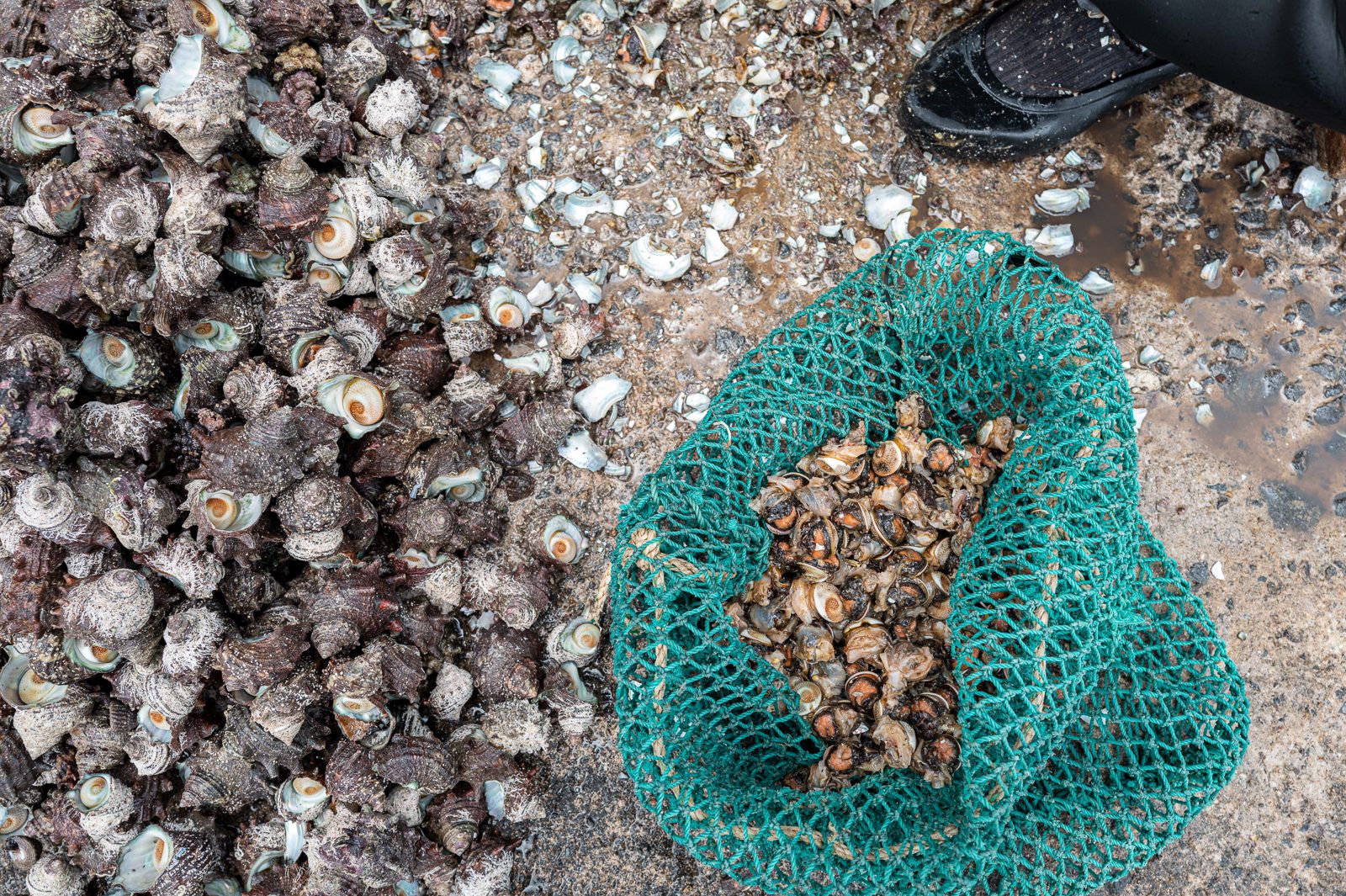
I do not remember the exact moment, nor which article or documentary led me to them. But I do remember the immediate feeling: their story struck me deeply. Women who still dive on a single breath to gather shellfish, sea urchins and seaweed. Women who work in the sea with their own bodies, following rituals and gestures passed down through generations. But above all, they are the guardians of a tradition that is now in steep decline.
It was at that moment that I decided to go to Jeju Island.

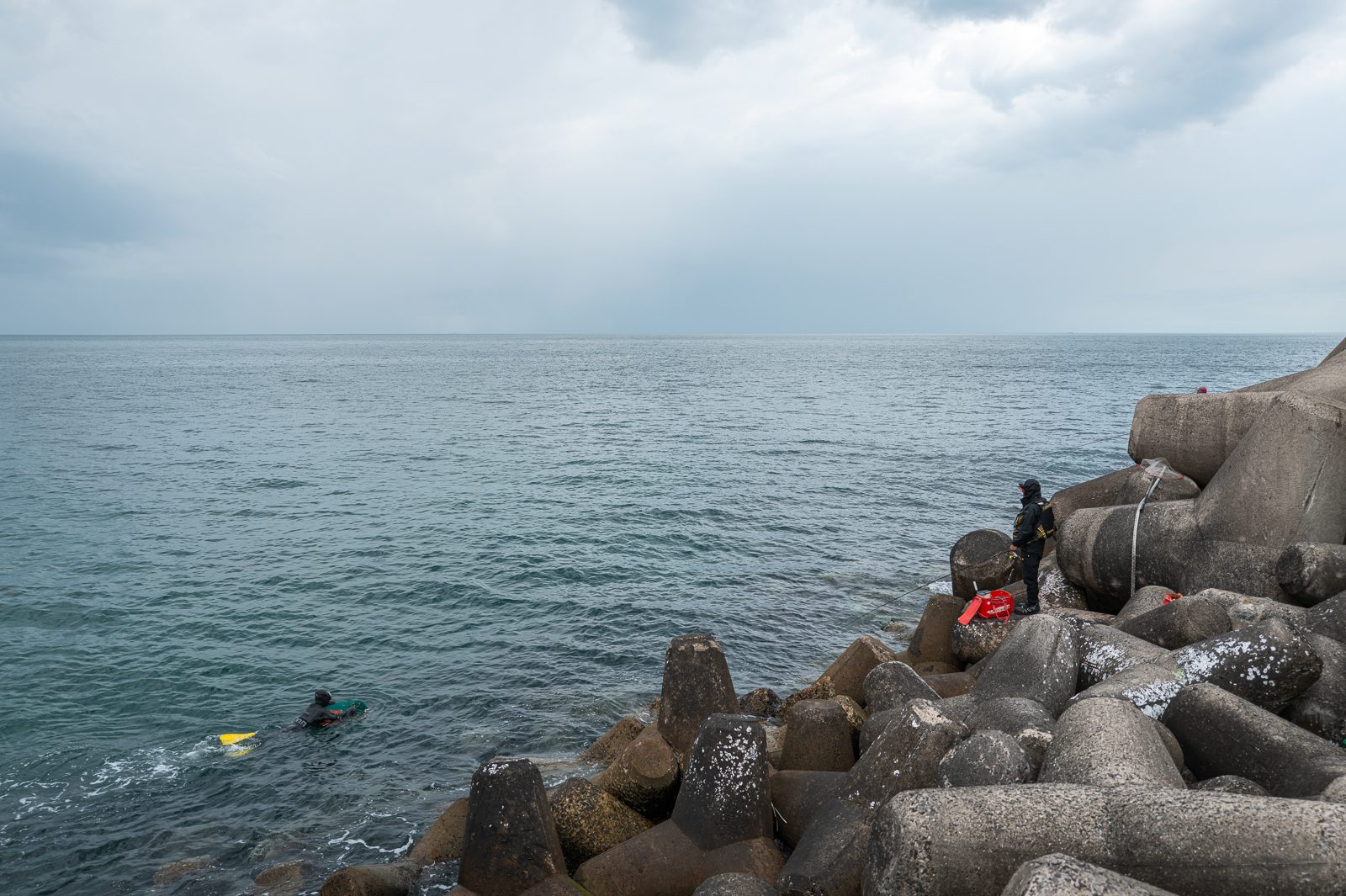
Reaching the Haenyeo was not easy. On the island, almost no one spoke English, information was fragmentary, and they were, understandably, very wary of strangers. They are not a spectacle for foreigners, and they are difficult to encounter. You have to look for them. Walk. Wait. Try to understand where and when the sea might give them back to you. I remember one day in particular. I was walking along the coast, tired after hours with no results. Then, almost by chance, I saw them.
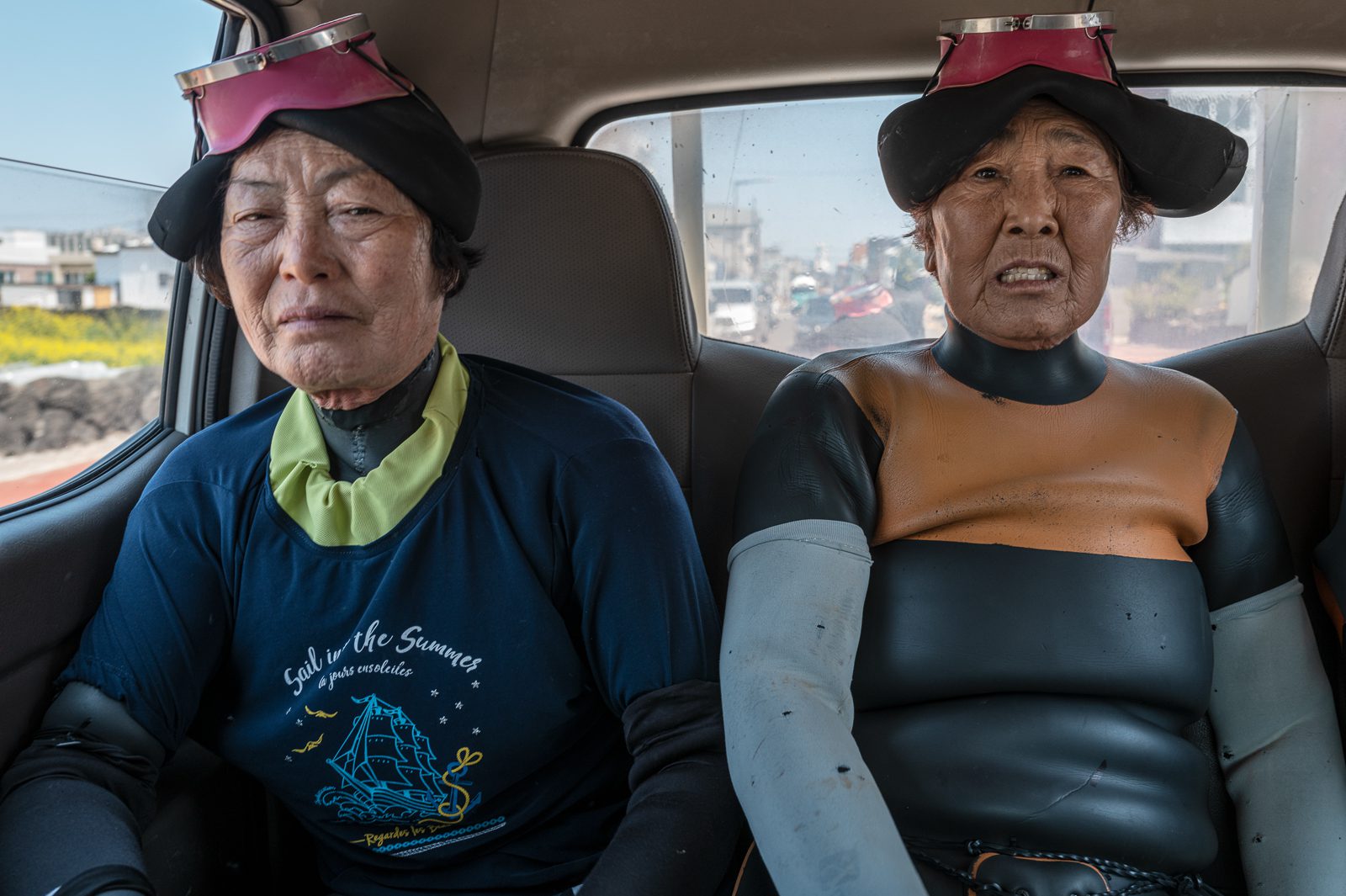
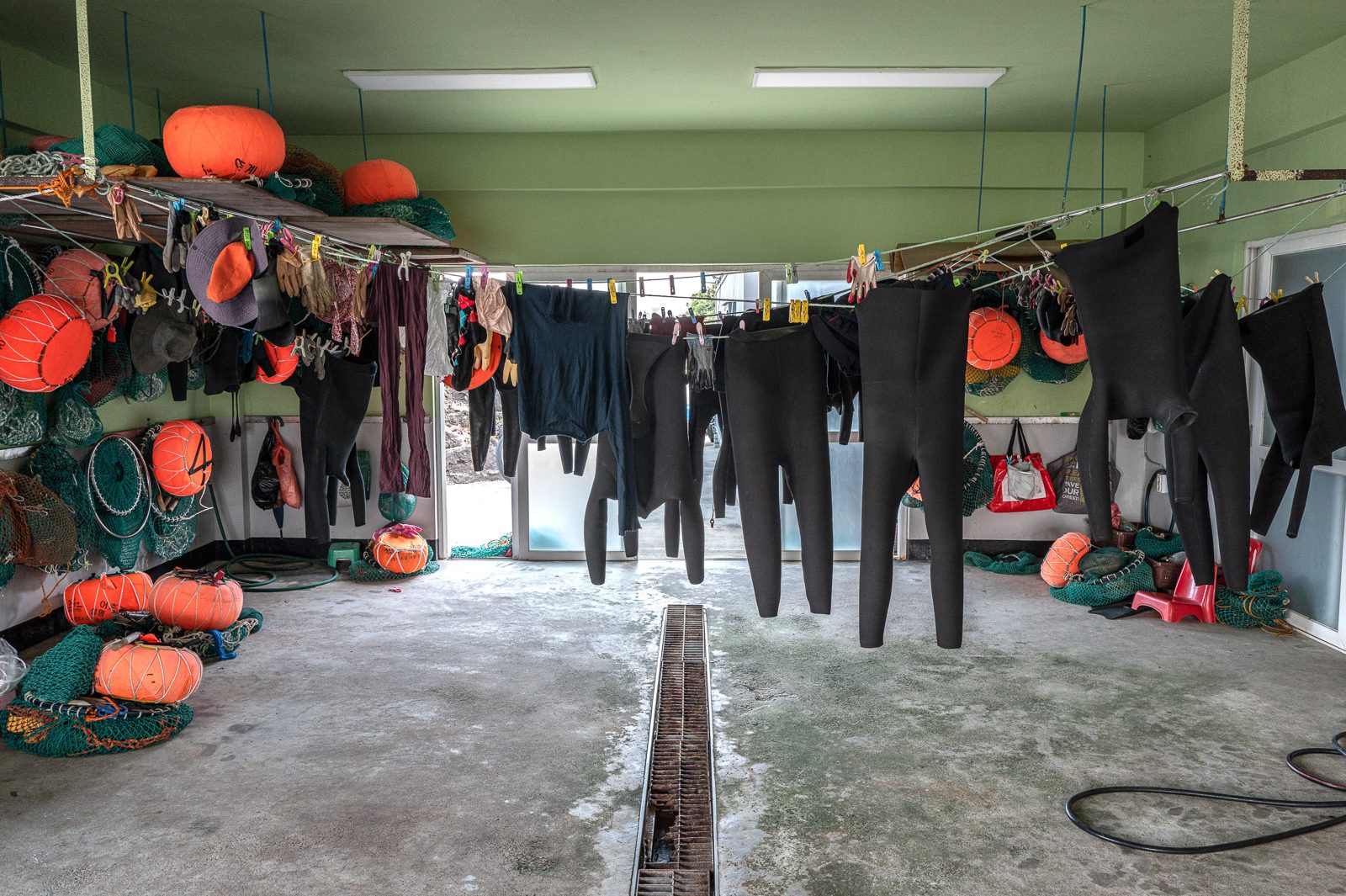
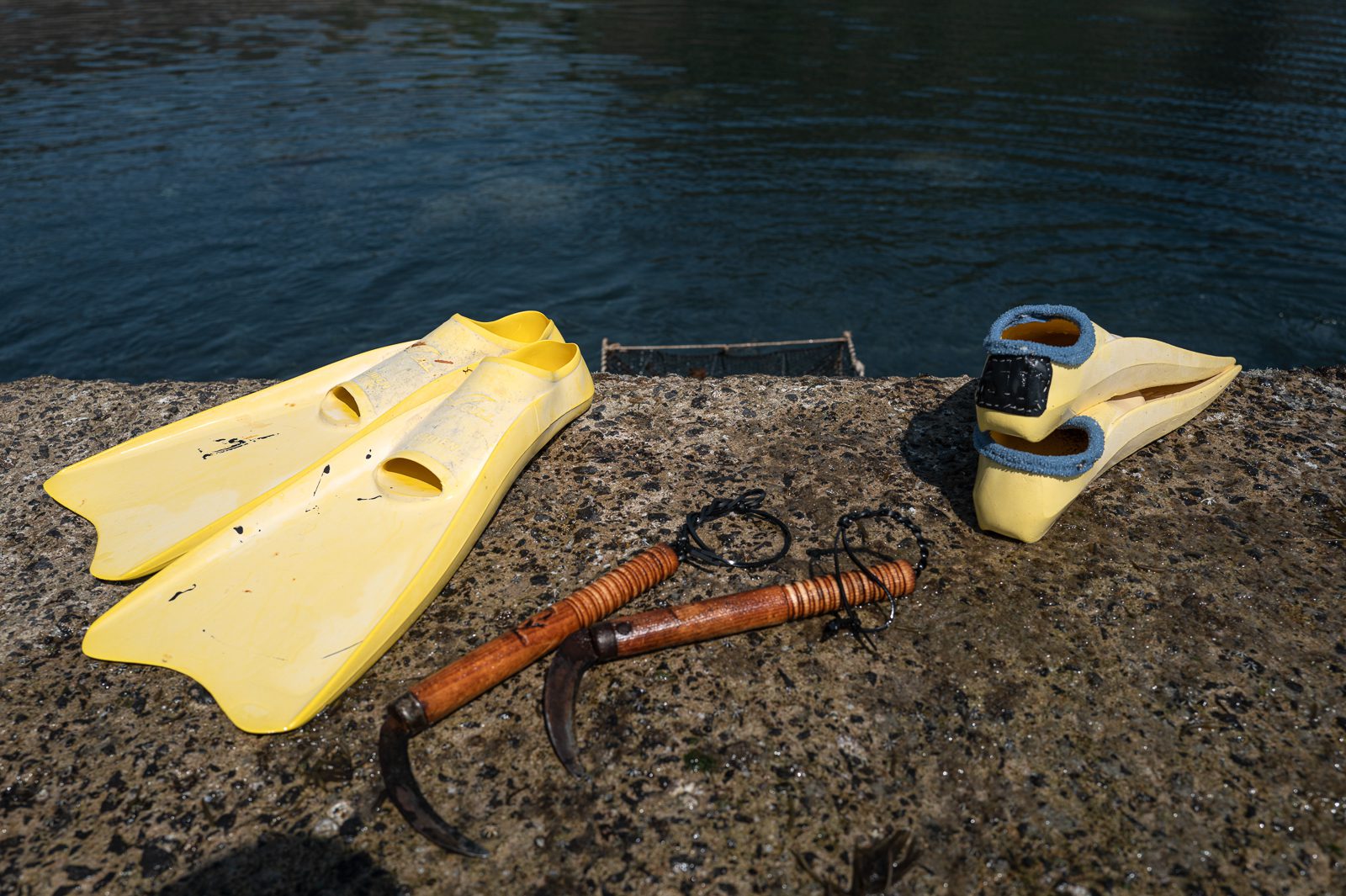
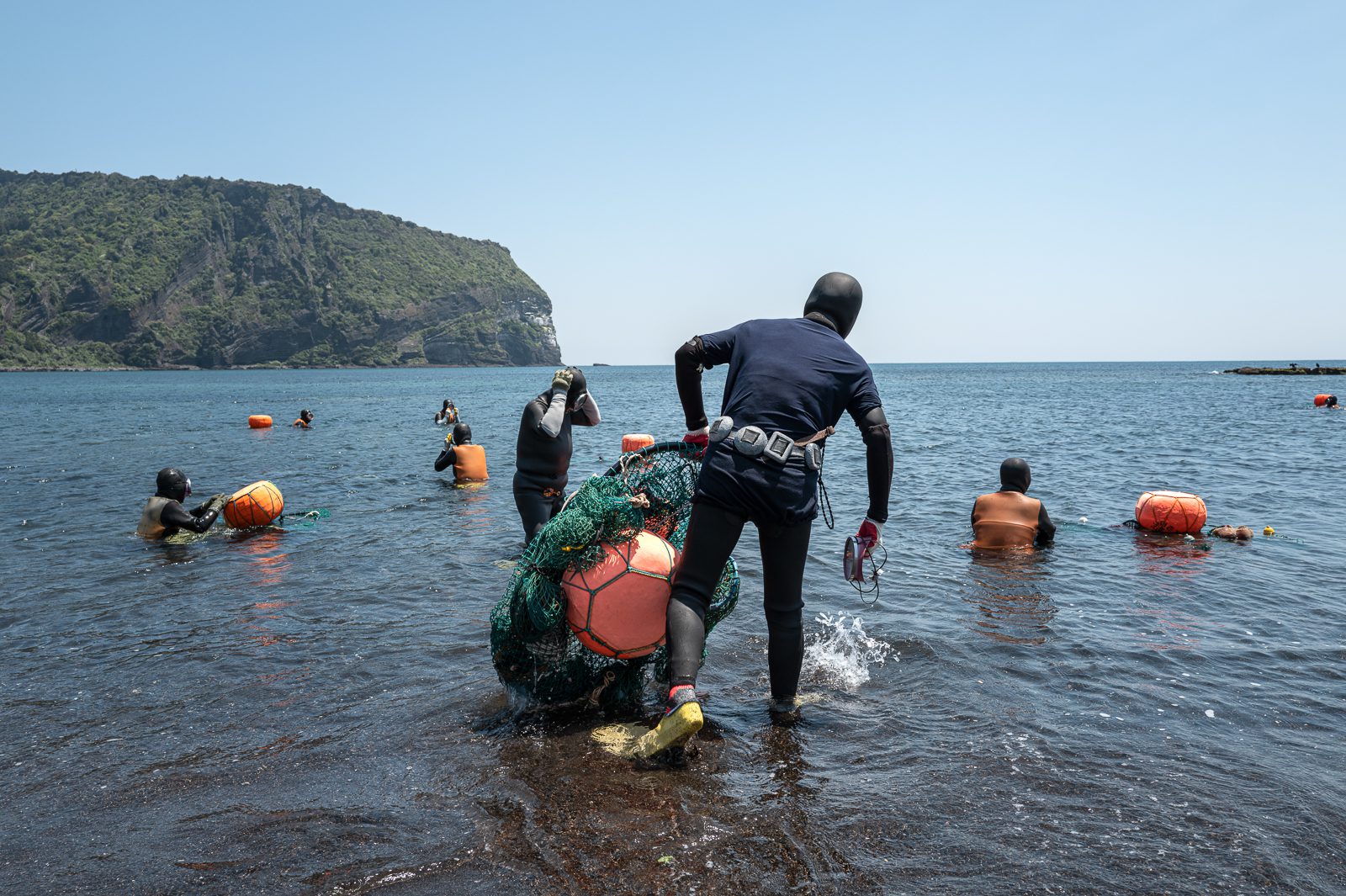
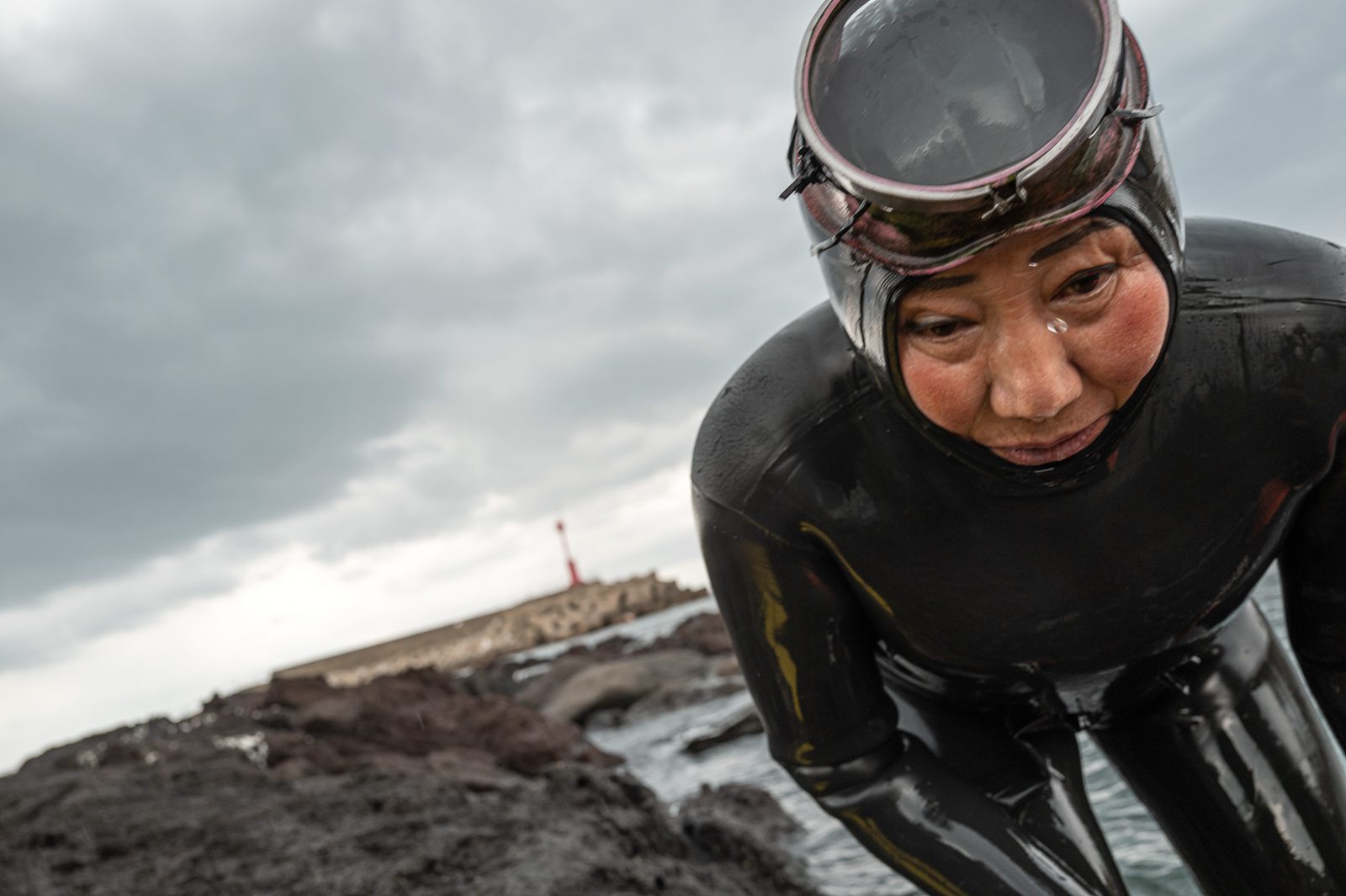
They were near the rocks, preparing to enter the water. Black wetsuits worn by salt, essential equipment, slow and precise movements. I immediately tried to interact with them, to explain who I was and why I was there, but without success. The language barrier was total, and their expressions remained closed, cautious. Until a local man decided to help me. He became the intermediary. And from that moment, something changed.
I was able to observe their preparation, the silence before entering the sea, those gestures repeated thousands of times throughout their lives. I watched them enter the water without hesitation, facing the sea with an almost disarming naturalness. I stayed outside, waiting for them.
I watched them slowly resurface, breathe, and then disappear beneath the surface once again. There was something ancient in that rhythm, almost ritualistic. In the end, I also helped them carry what they had gathered. And it was there that I truly understood the meaning of that reportage.
The satisfaction did not come from the photographs alone. It came above all from having found them. From having shared, even if only for a few hours, a reality that continues to survive on the margins of modernity. From having tried to understand something culturally before approaching it photographically.


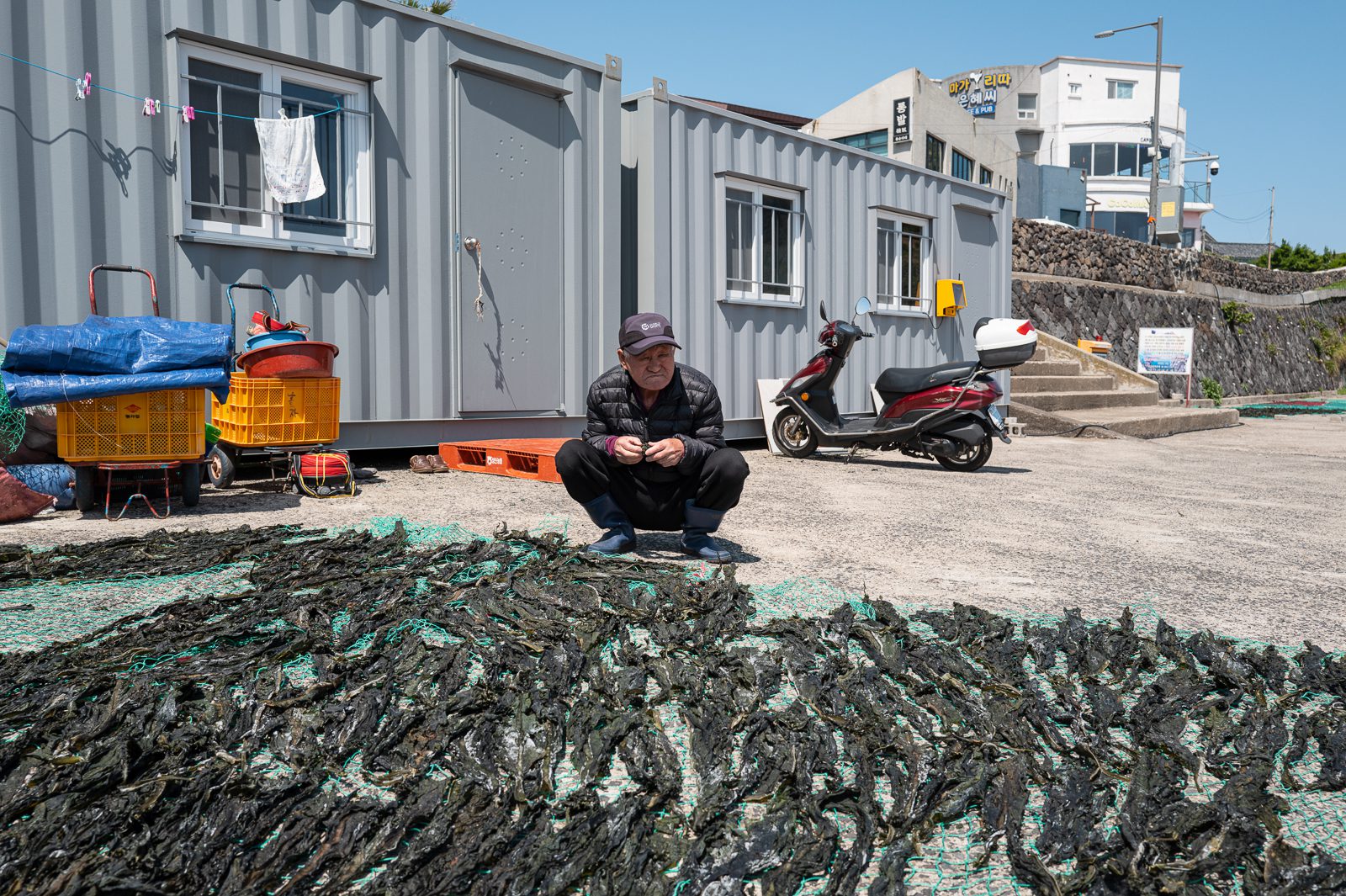
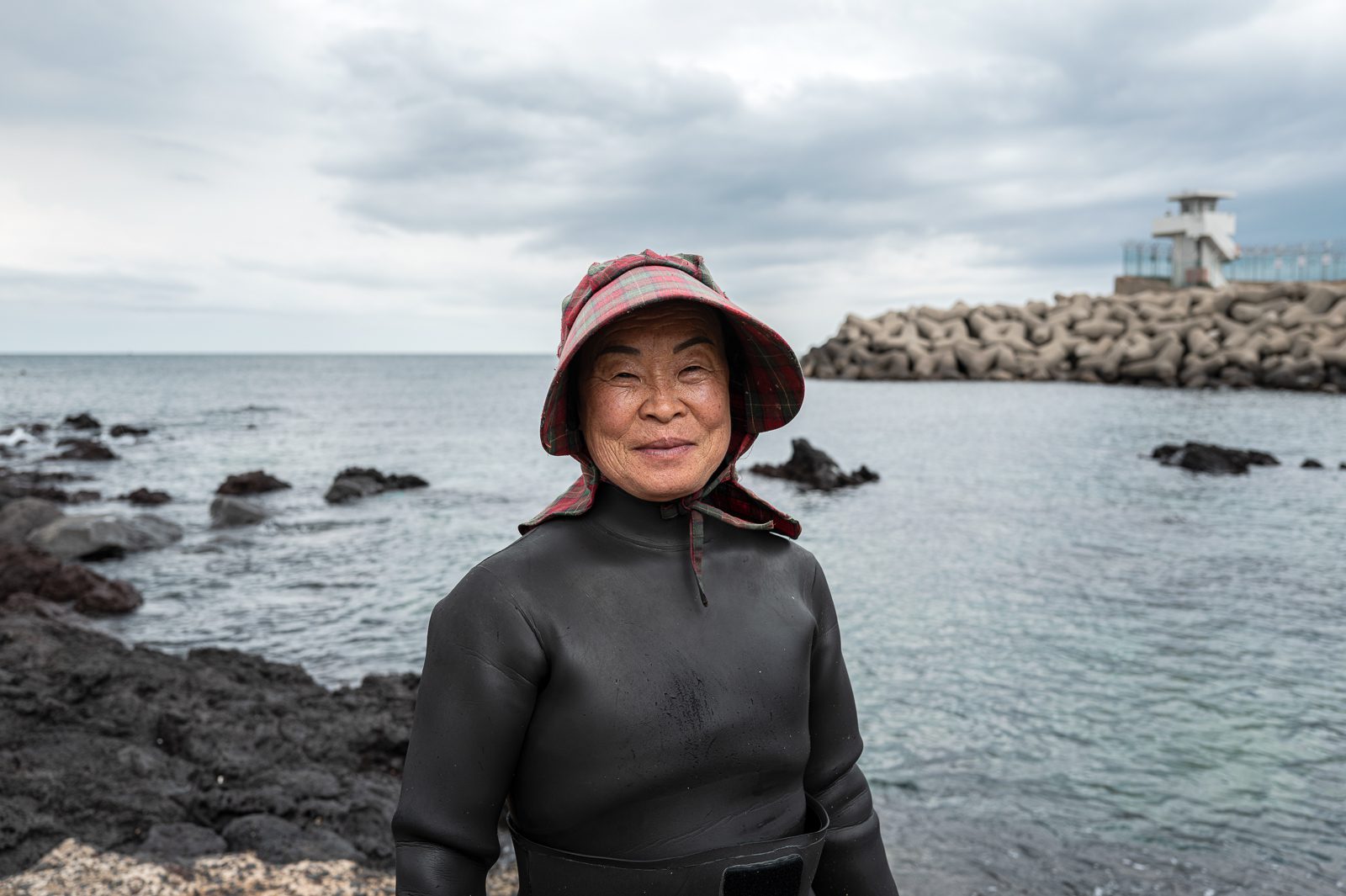
In the days that followed, I encountered a few more Haenyeo, very few. Each encounter seemed even more fragile than the last. Today, the average age of the divers is very high, and fewer and fewer young women choose to continue this tradition. It is extremely hard work, physically gruelling, and increasingly difficult to sustain in a South Korea that is becoming ever more urban, fast-paced and technological.
At that moment, I realised that I was not simply photographing a tradition. Behind those images was an entire cultural world built on the body, endurance and collective memory. The Haenyeo do not simply represent an ancient way of making a living from the sea. They represent a rare form of female community, passed down through generations, where experience, sacrifice and survival still hold a central place.
For decades, many Haenyeo were the main source of income for their families on the island. The sea, for them, has never been something romantic. It is work. Discipline. Survival.
Observing them today, however, you also sense something else: the feeling of standing before the last fragments of a world destined to change forever. In such cases, photography ceases to be simply an image. It becomes testimony. Memory. An attempt at preservation.
As I watched them disappear among the waves of Jeju, I kept thinking about this: some cultures do not disappear suddenly. They fade slowly, in silence. And often, we only notice when there are very few people left to preserve them.