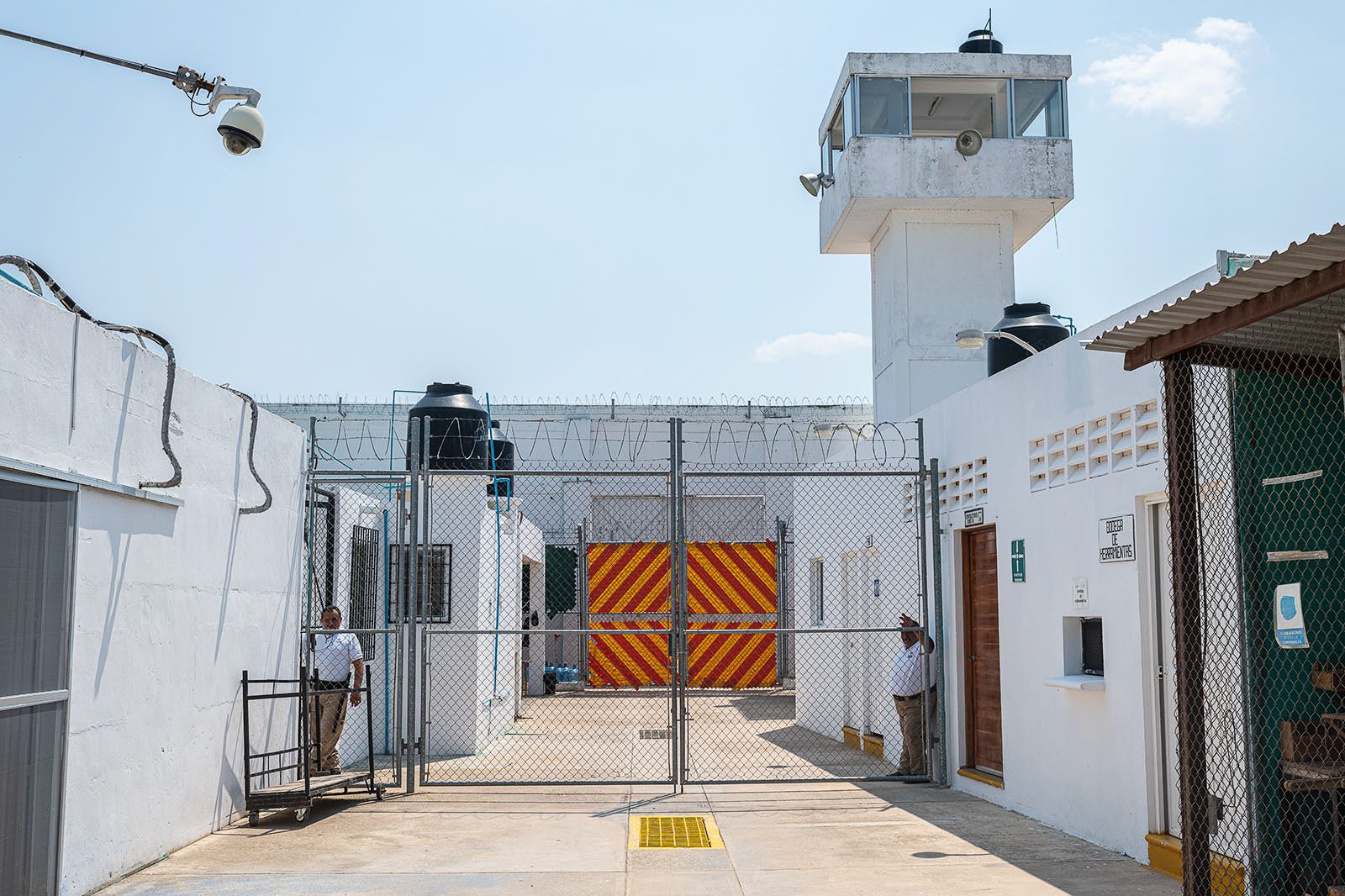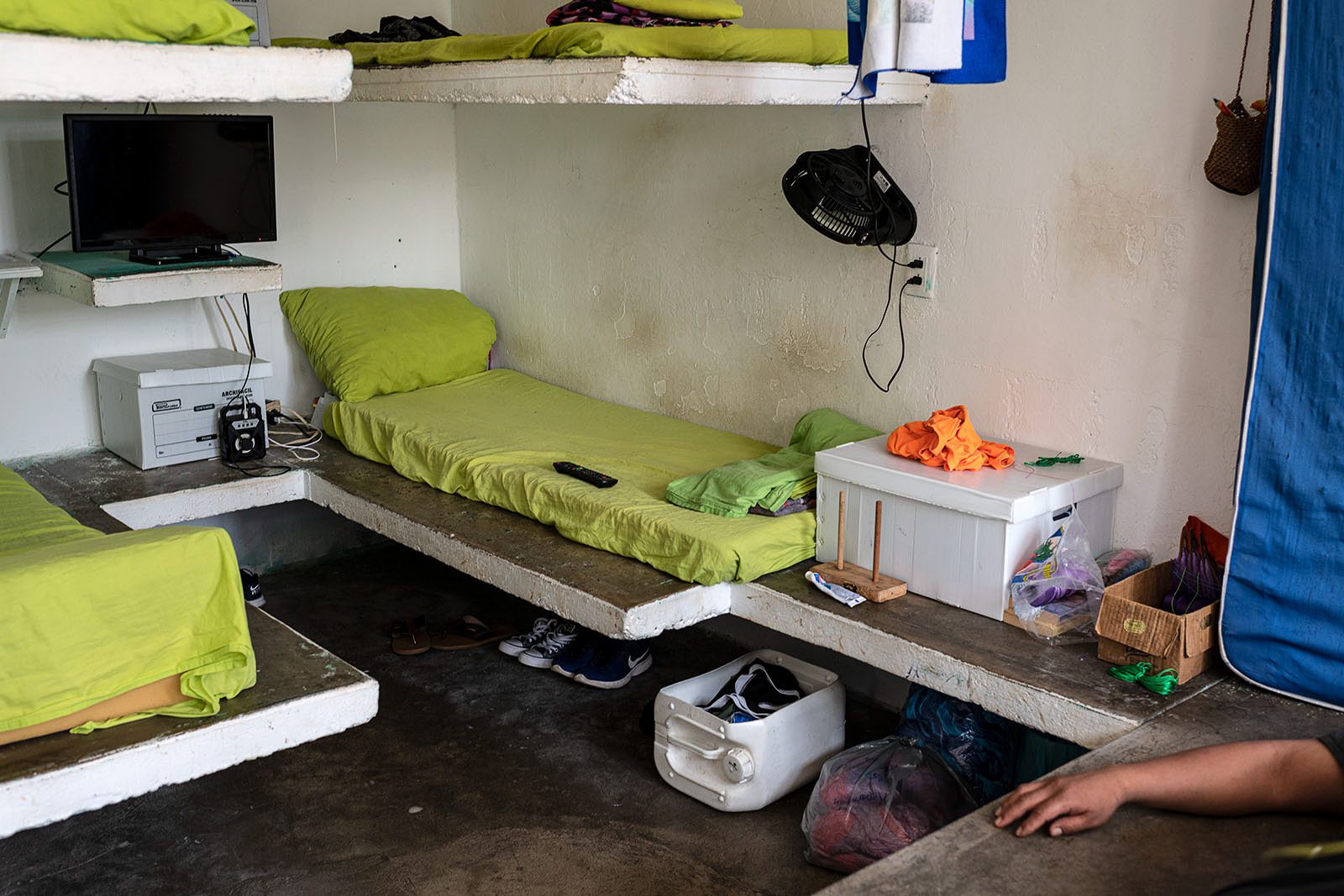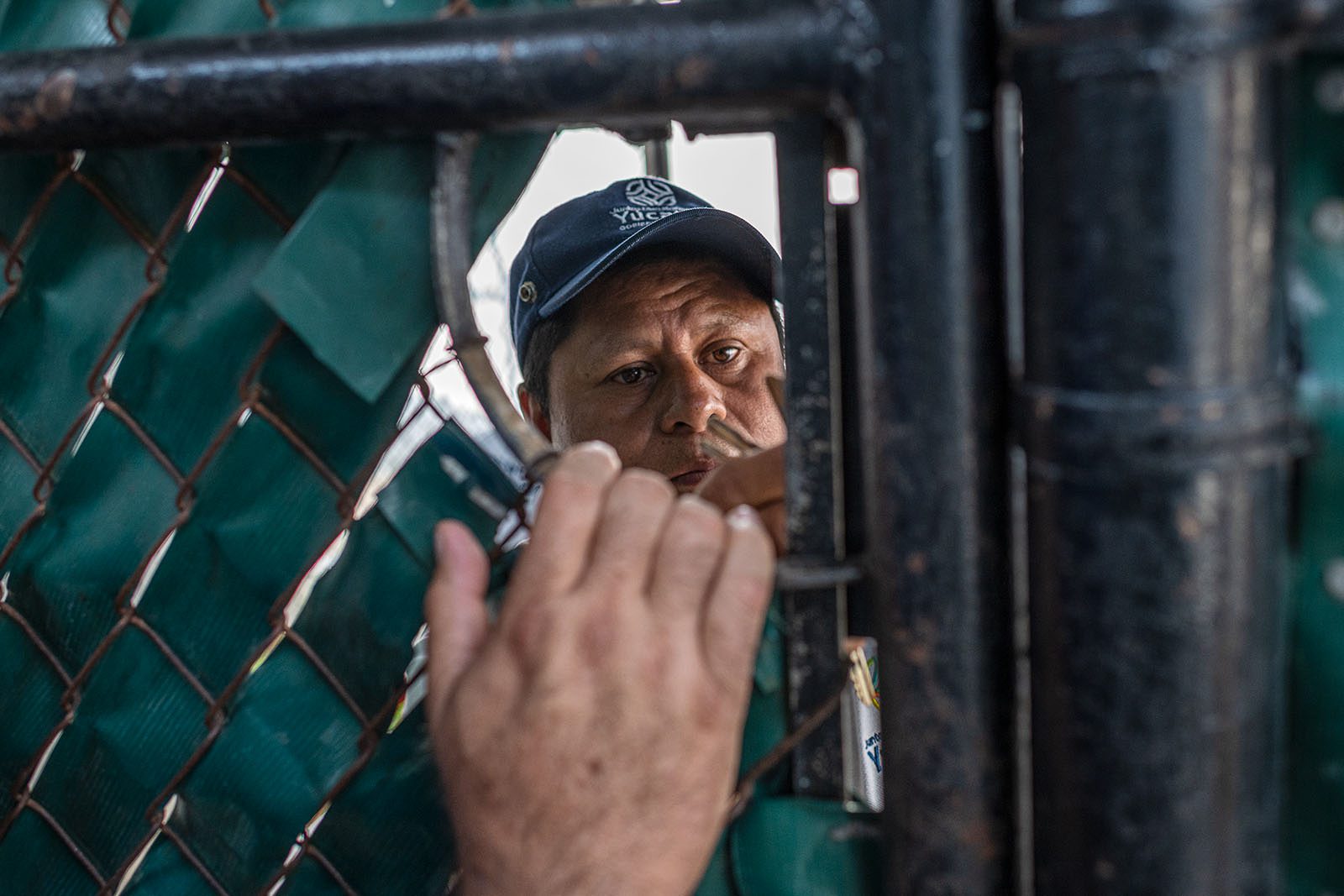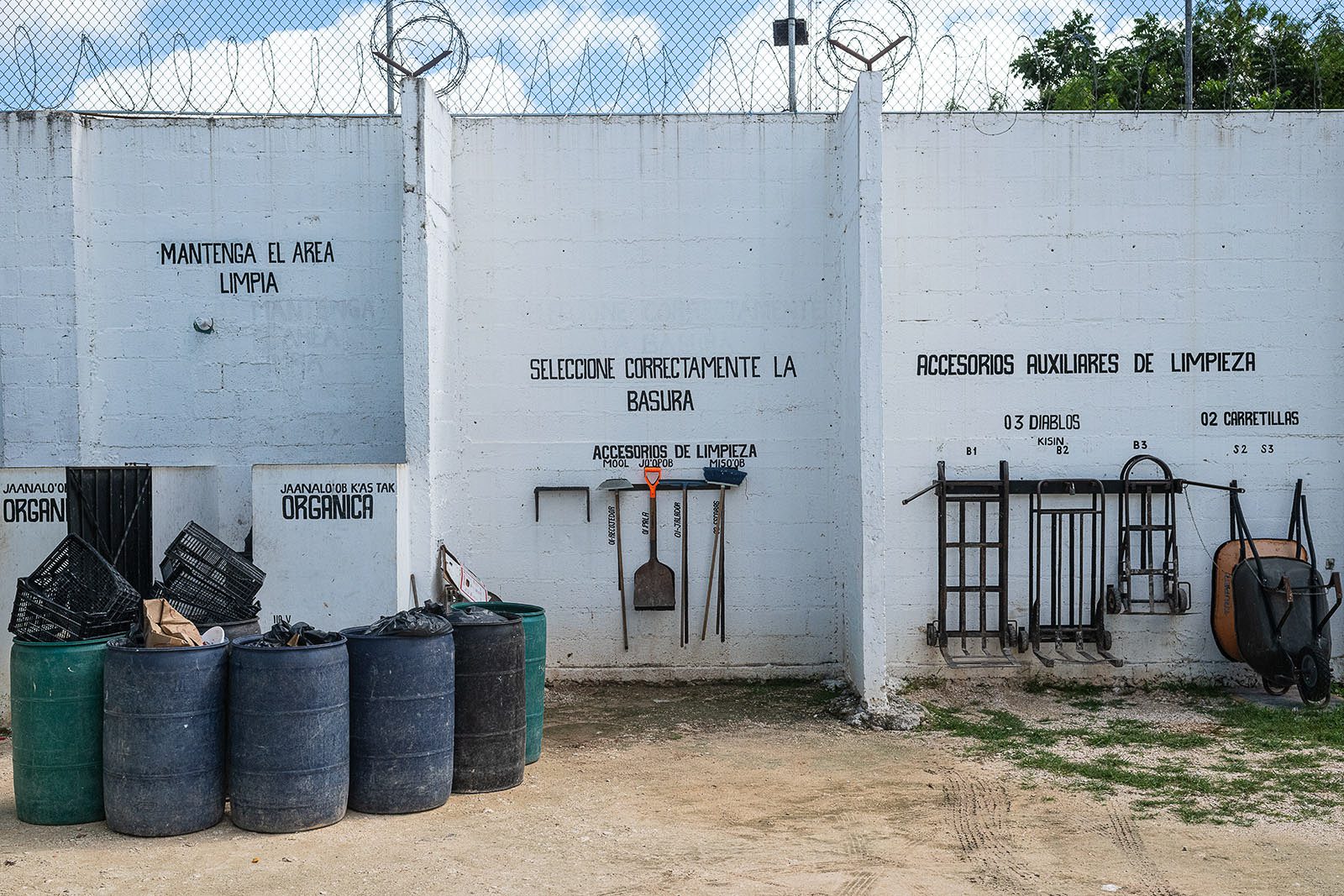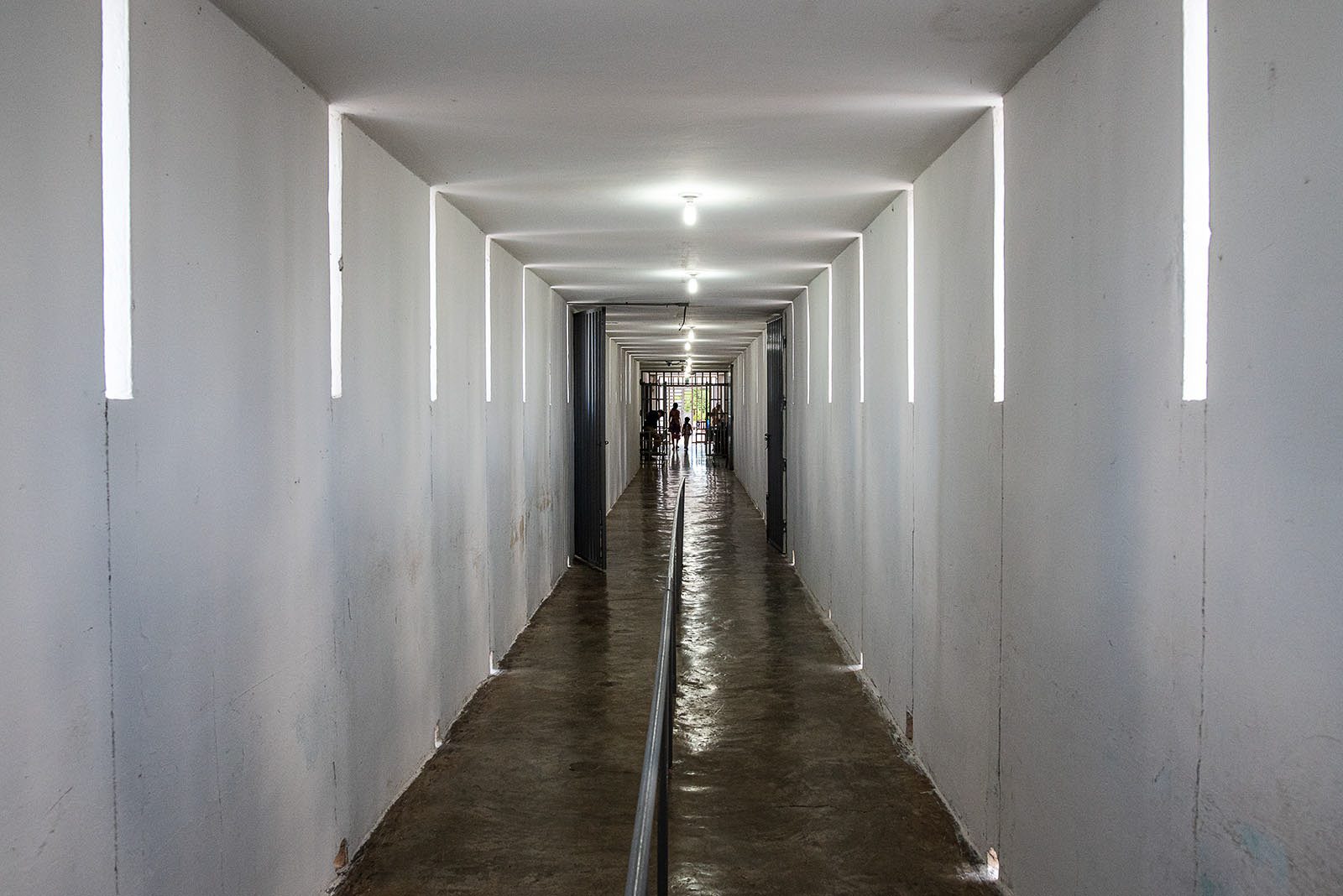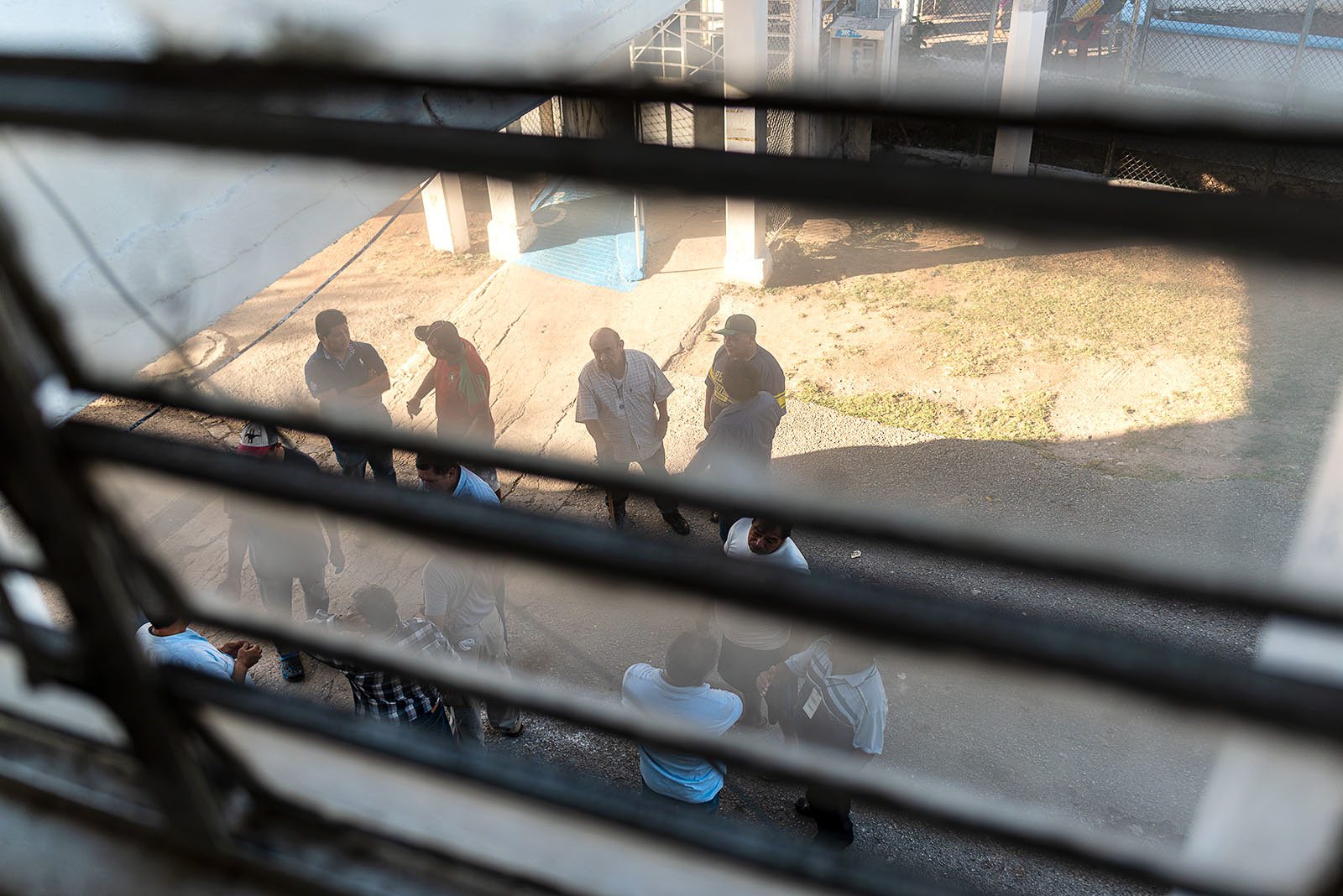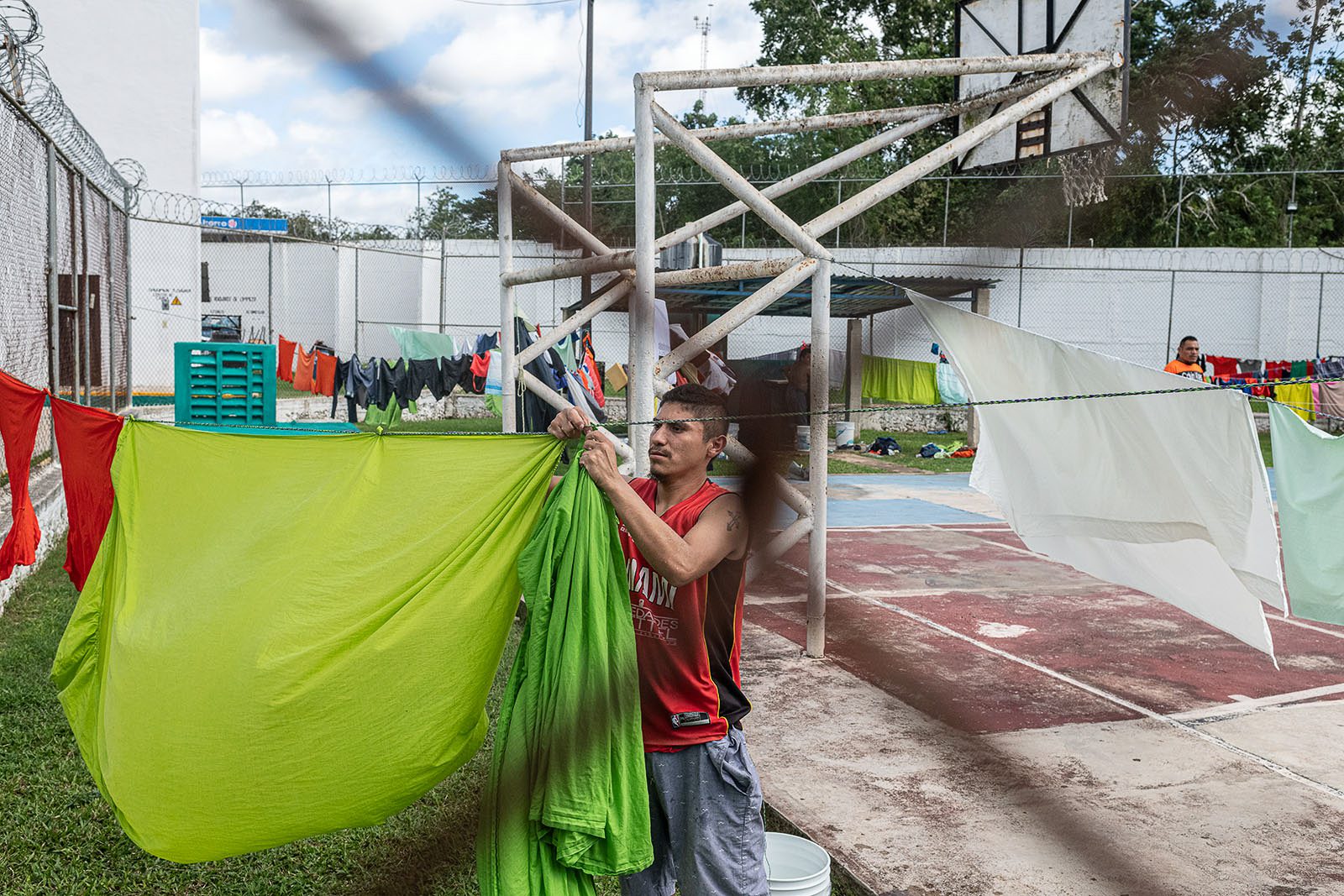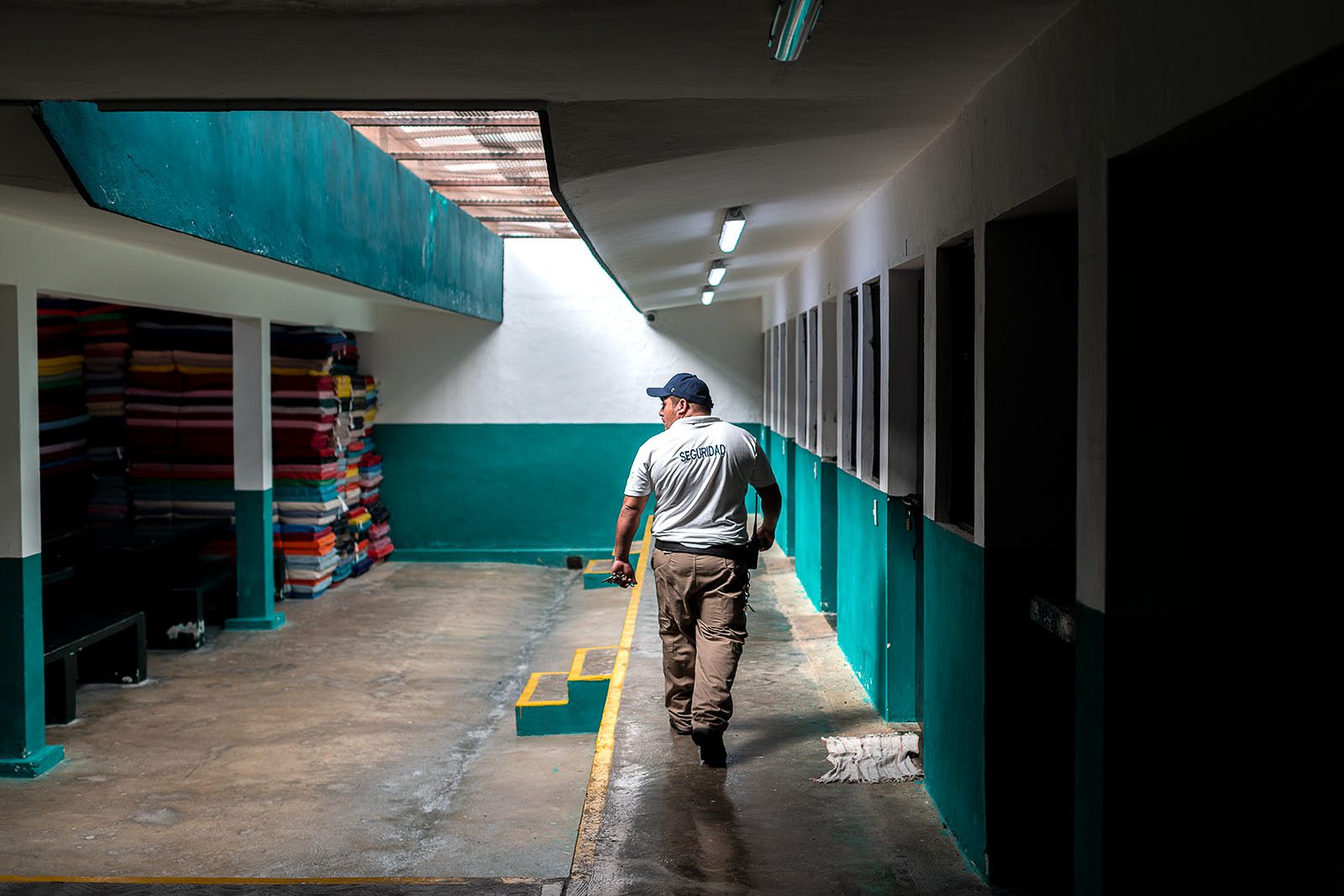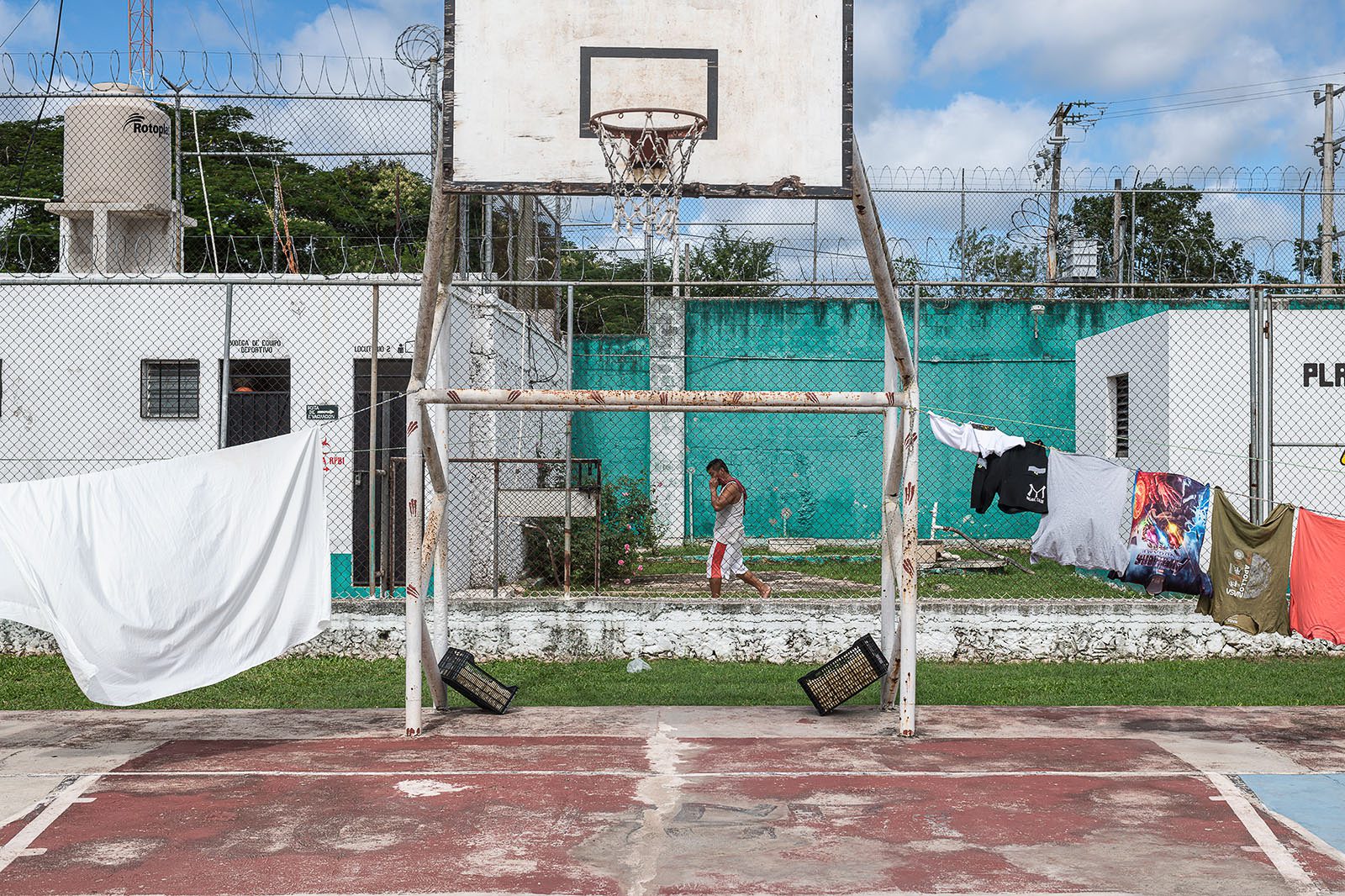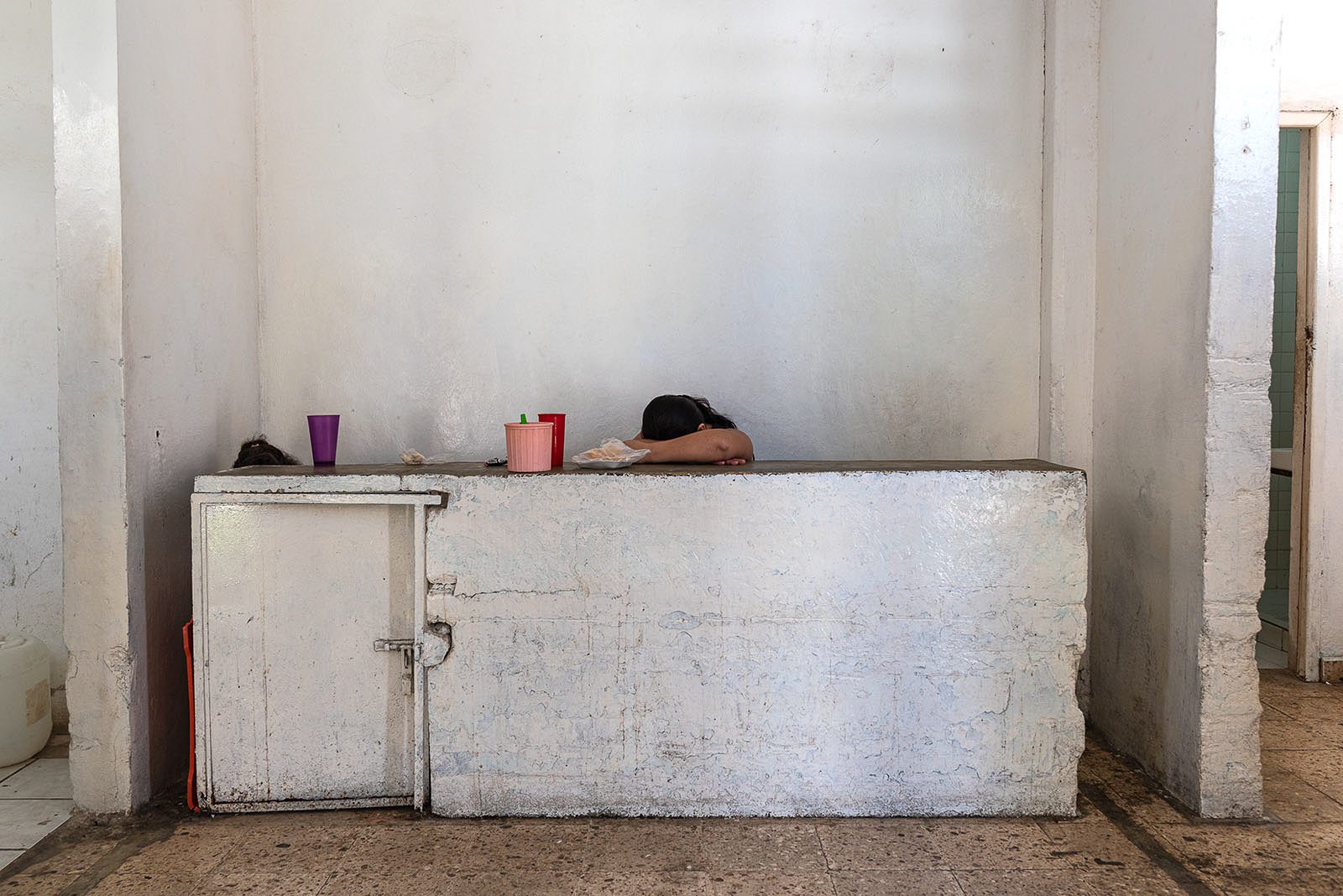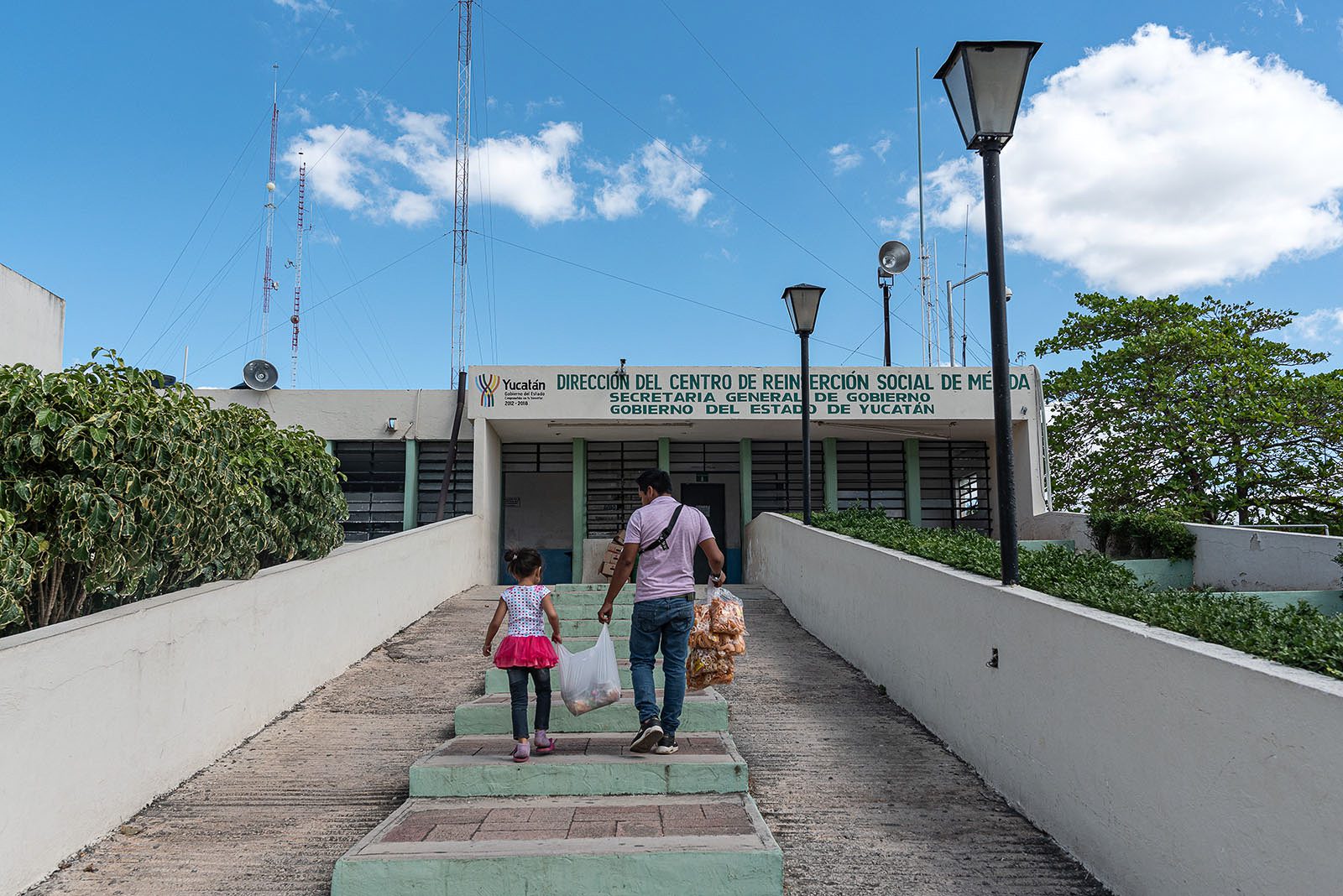
Behind the gates of the CERESO – Centros de Reinserción Social (Centres for Social Reintegration) of the Yucatán, in Mexico, the prison retains everything that defines it: cells, bars, checkpoints, iron doors, and impassable walls. But beyond that first impression, a reality emerges that challenges the idea of detention as mere punishment.
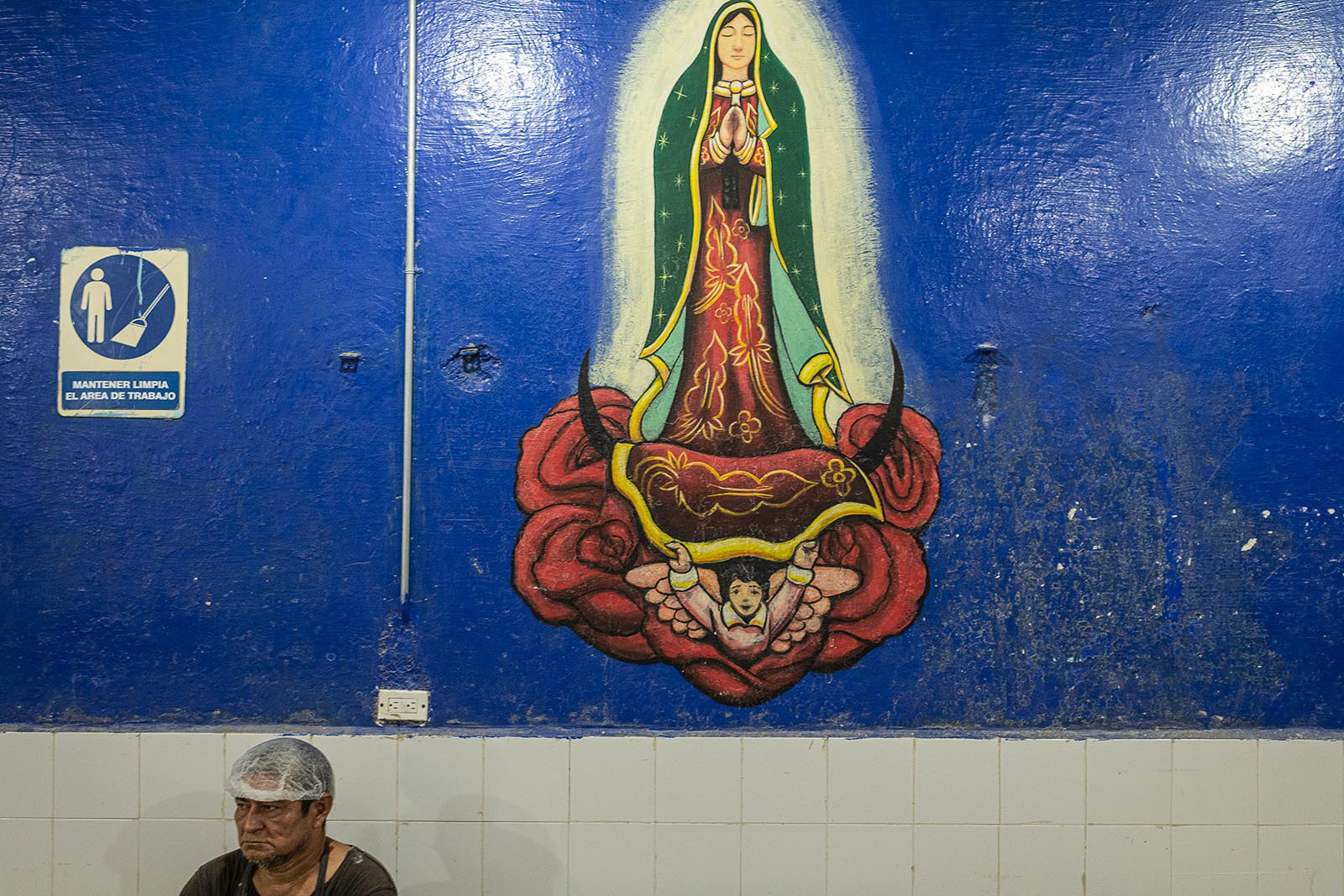
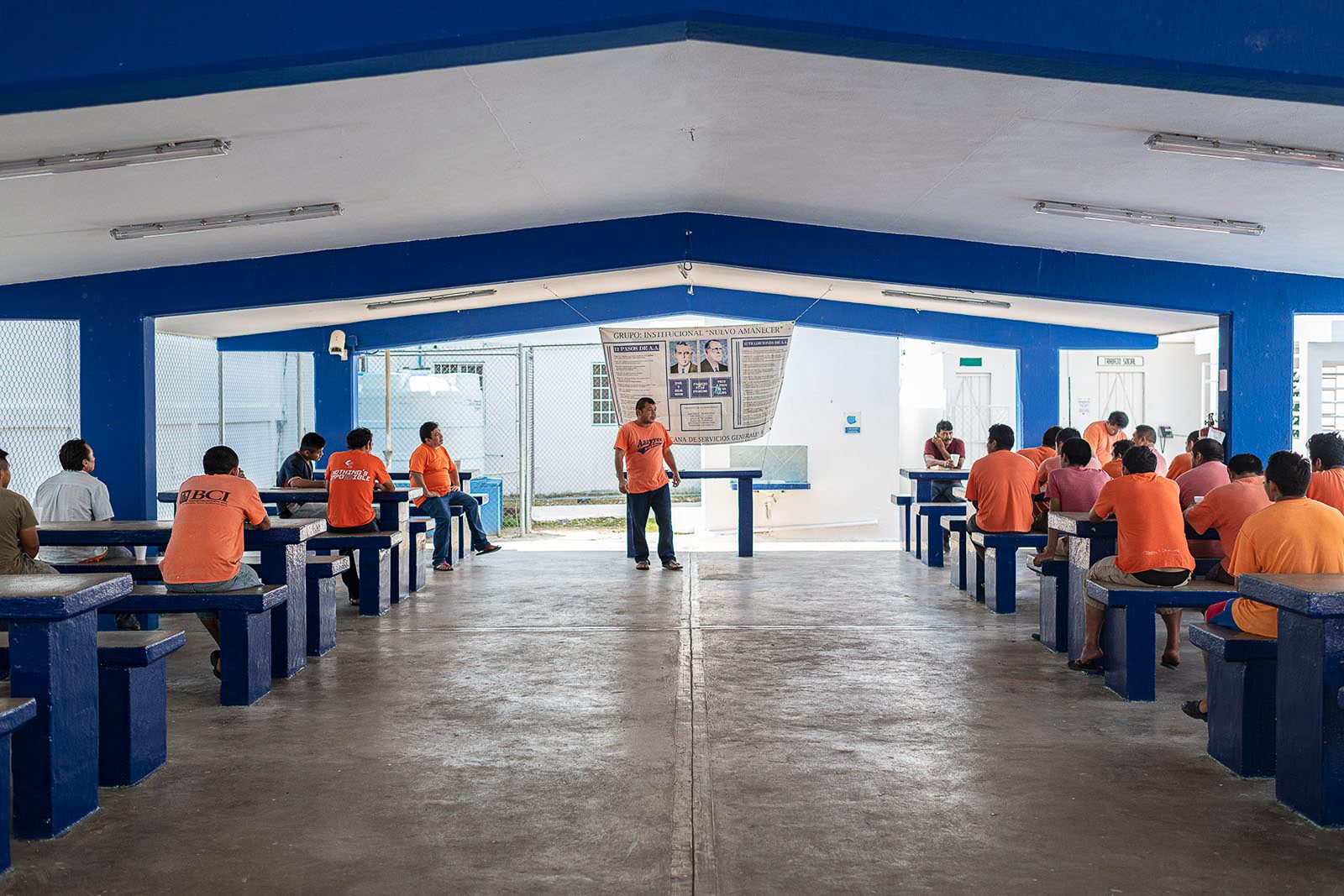
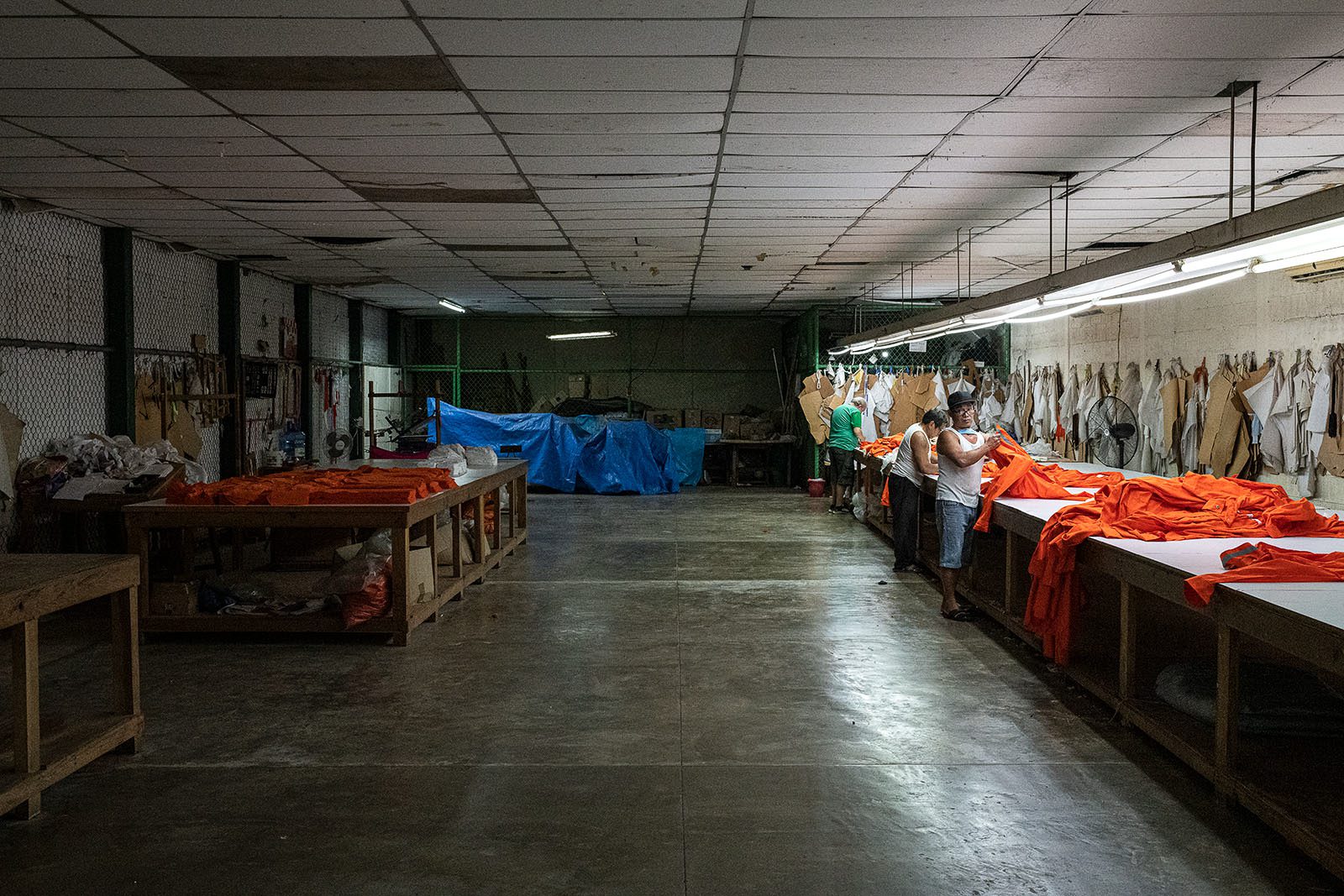
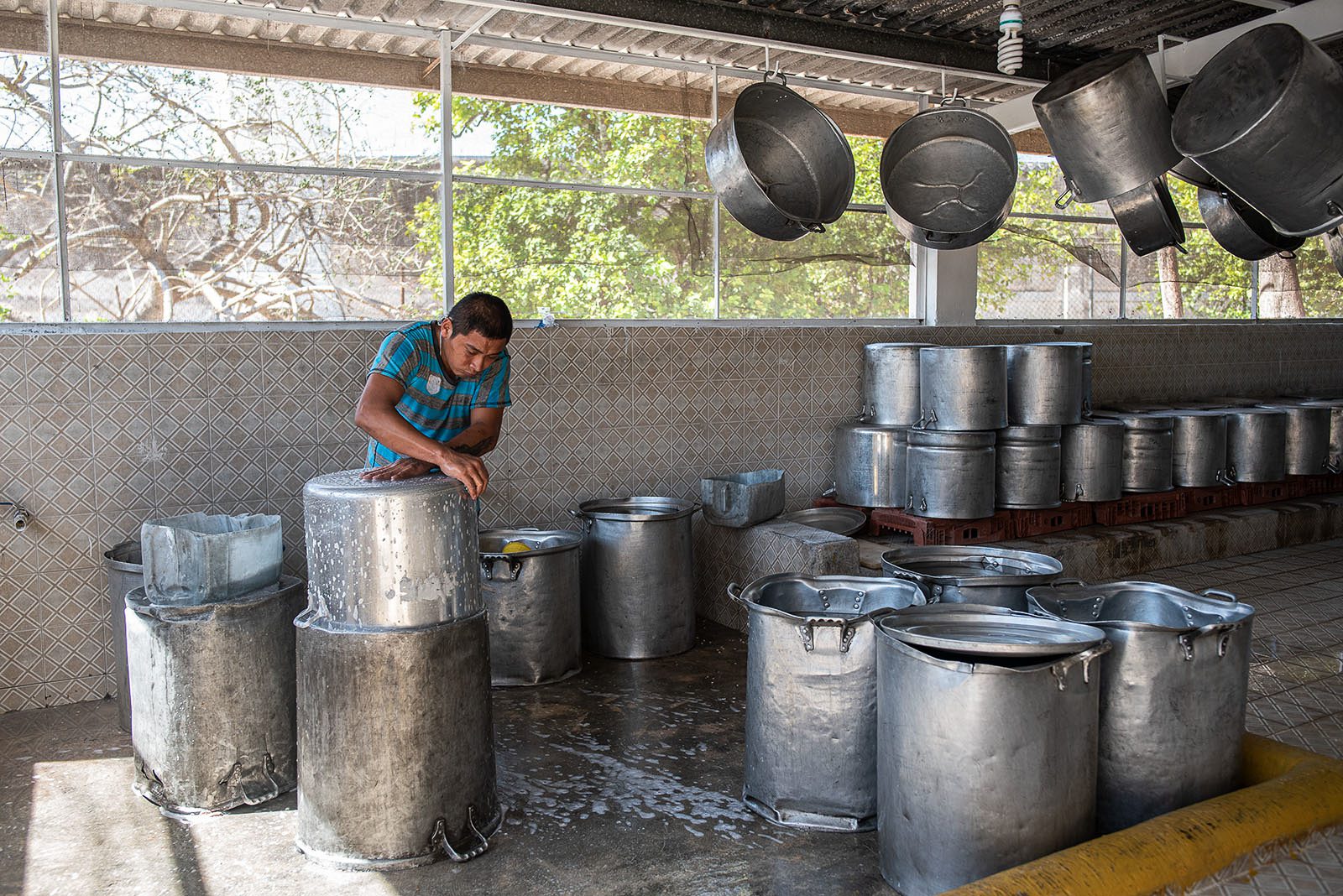
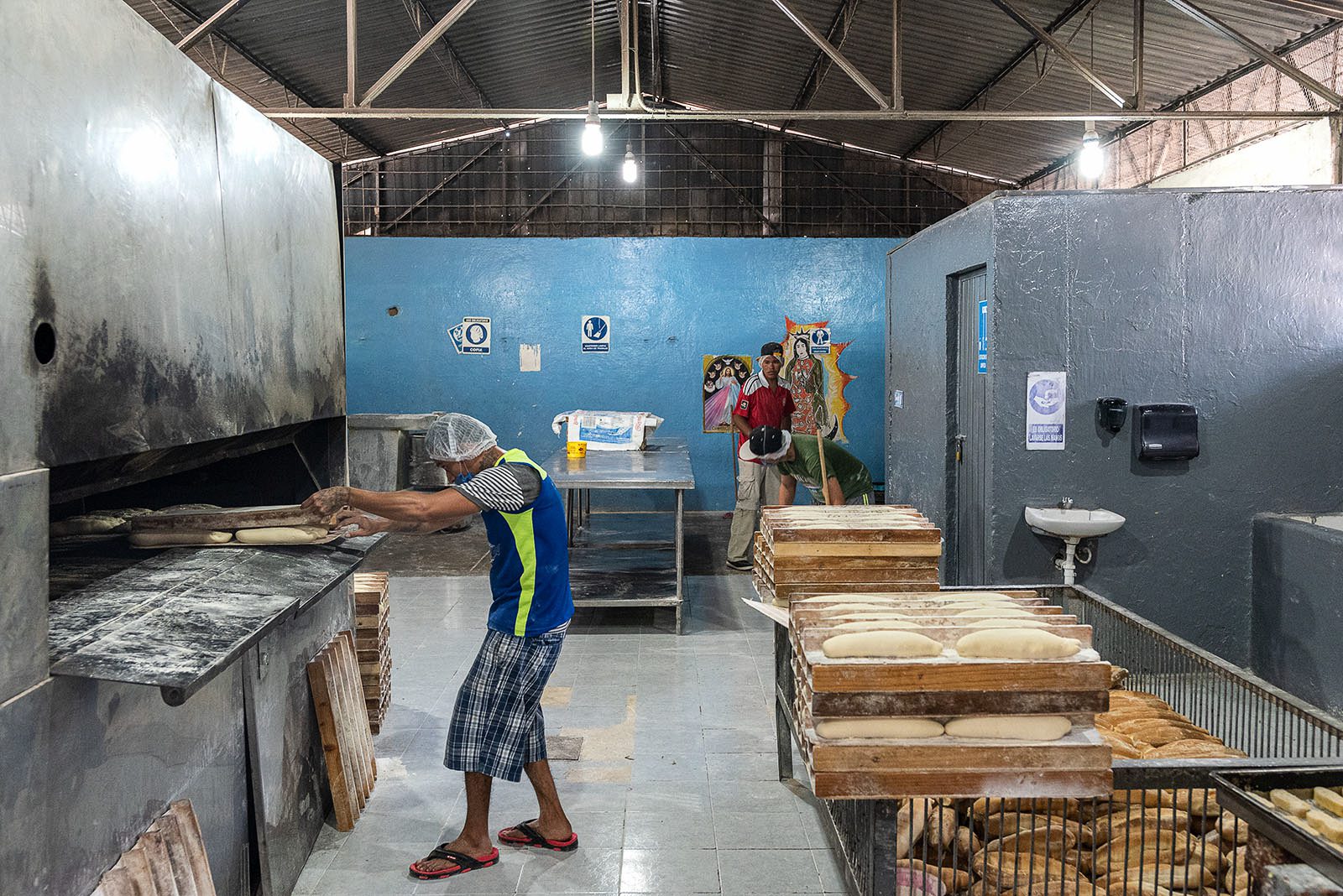
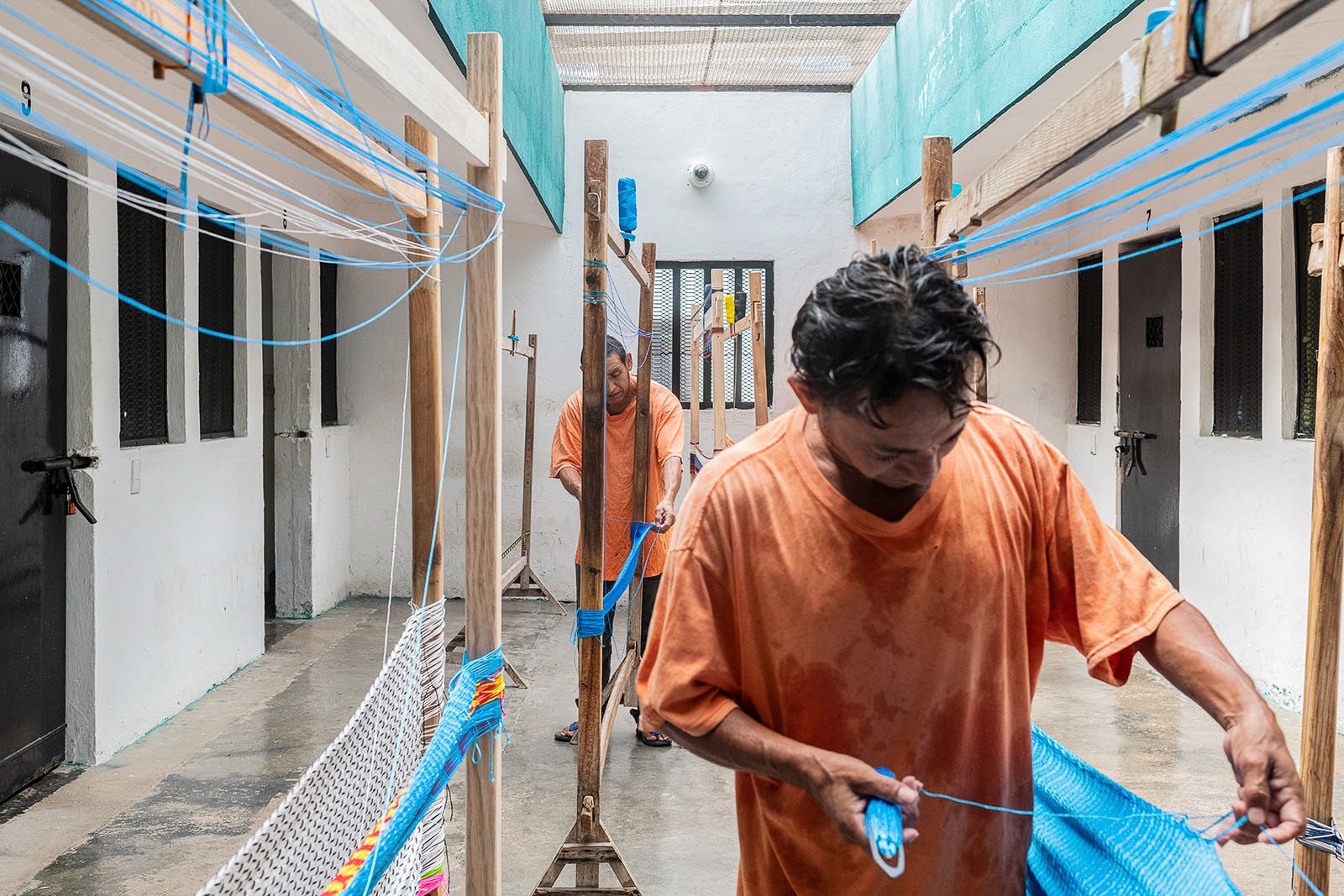
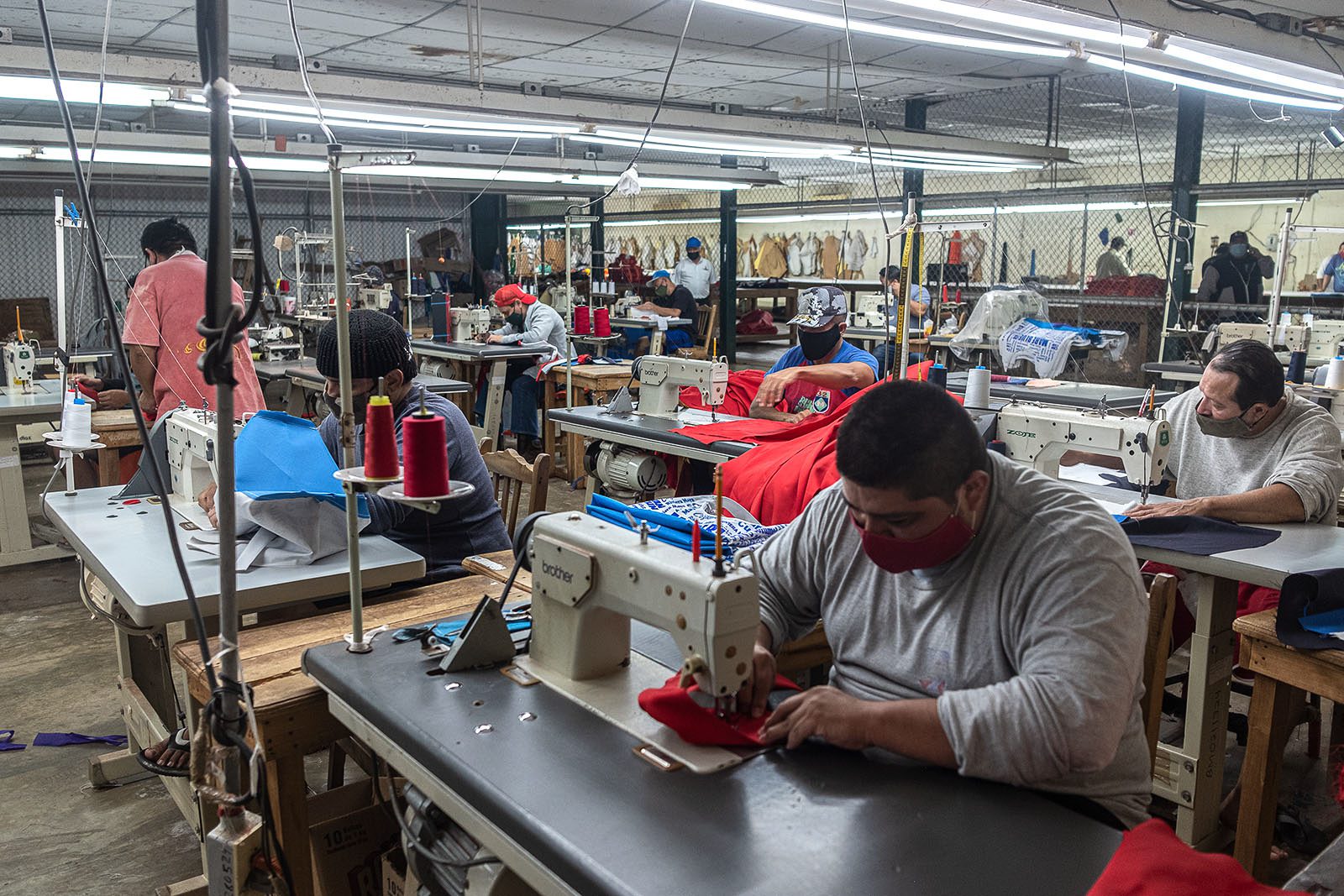
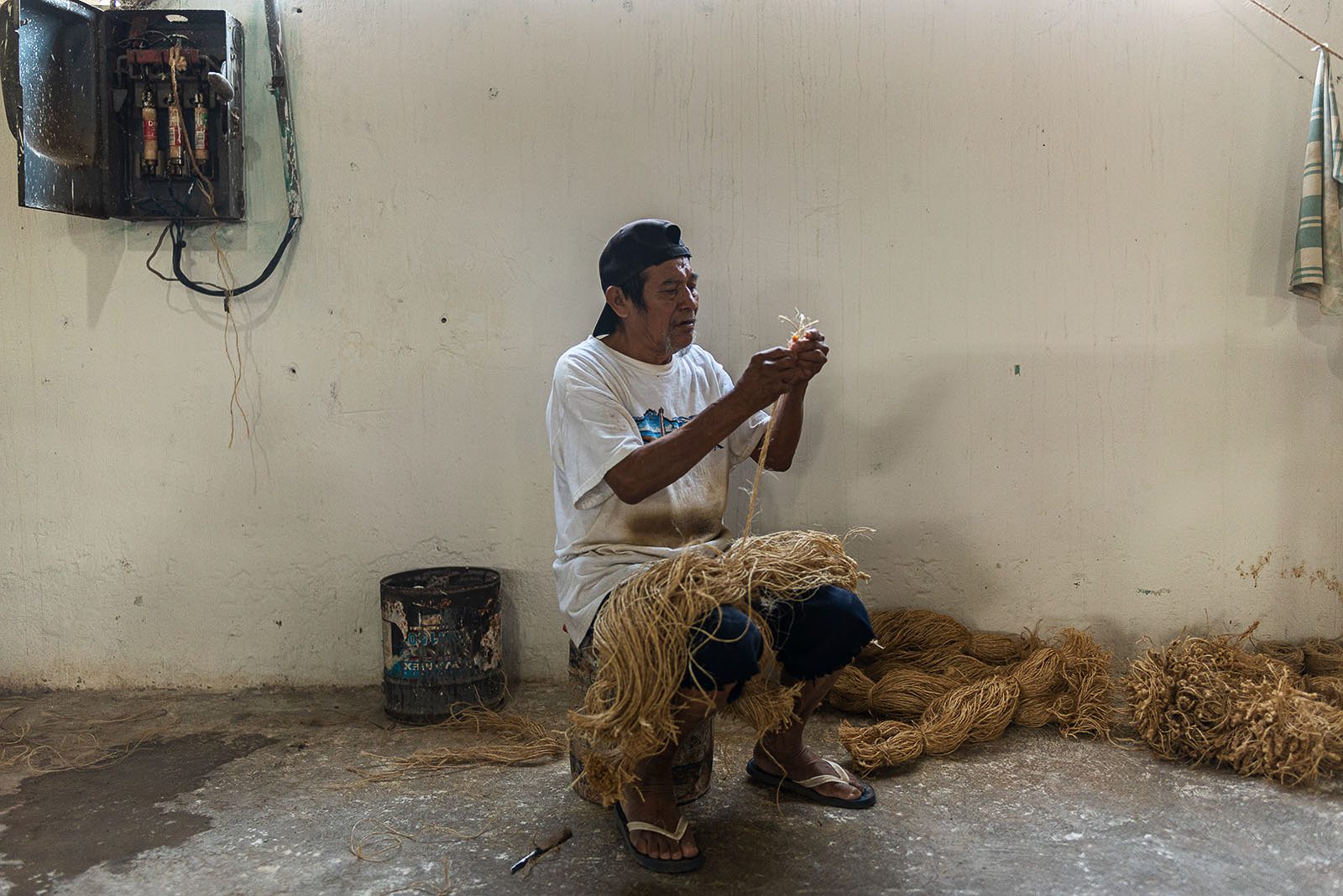
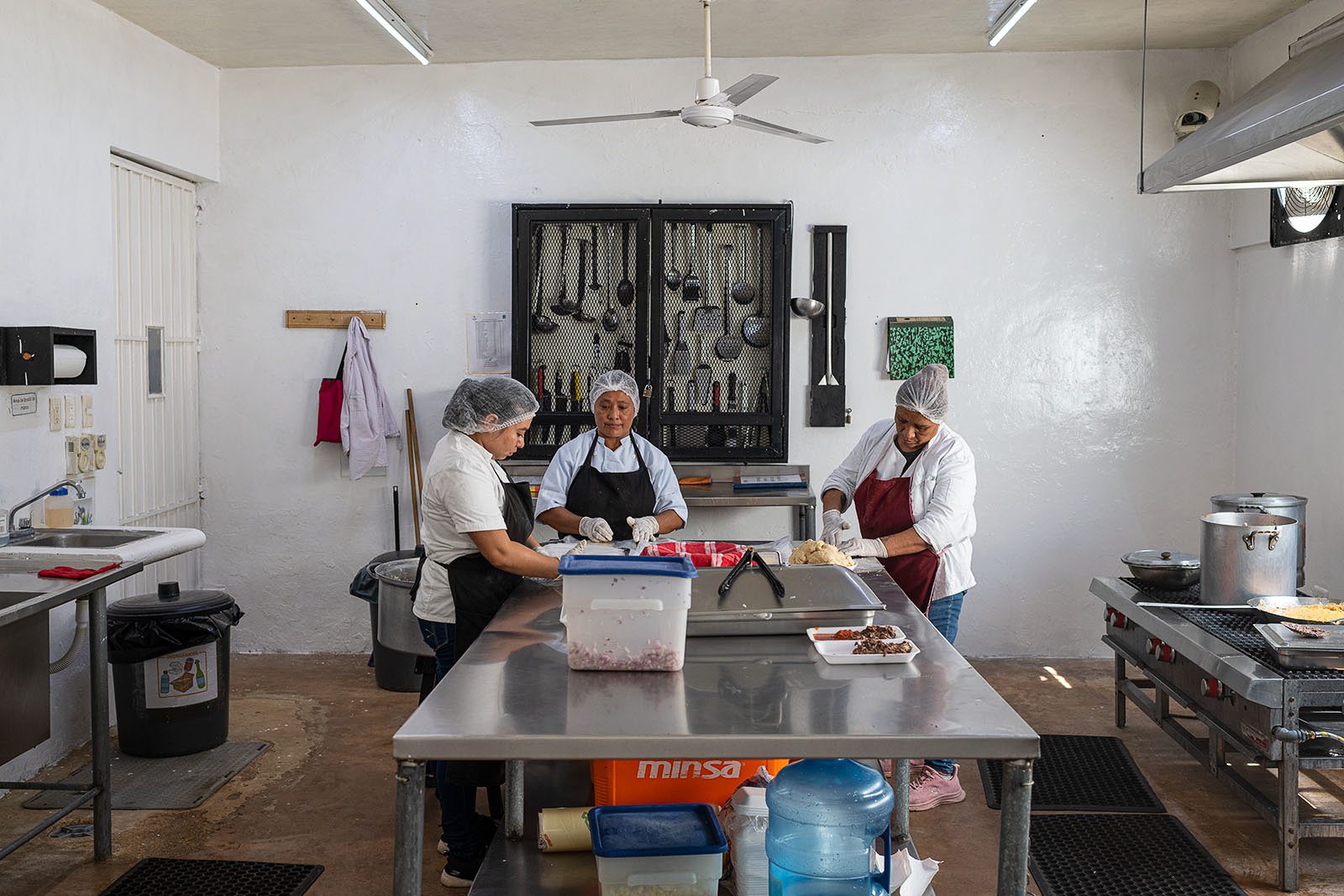
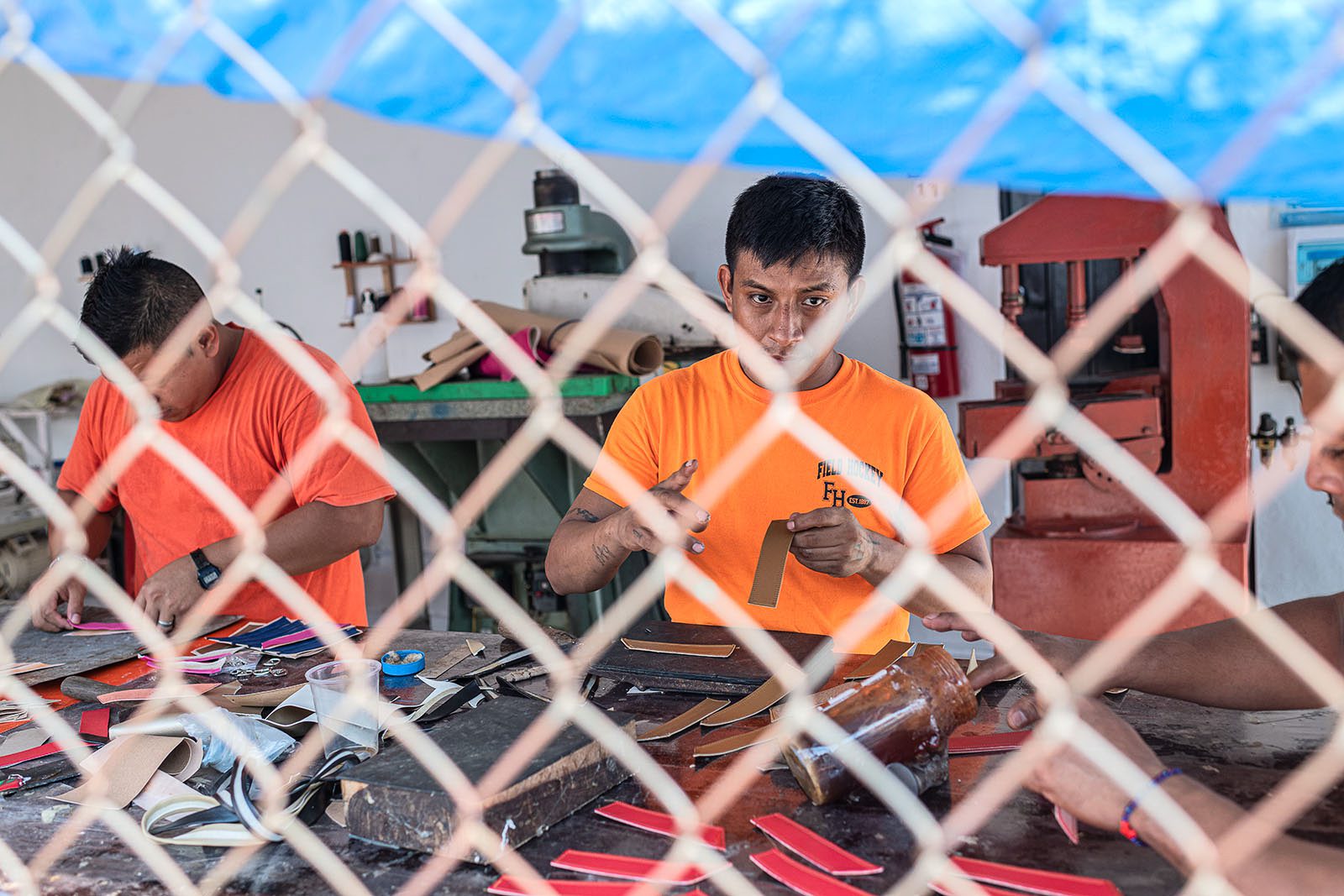
In the Yucatán I visited three prisons: the CERESO de Mérida, the one in Valladolid, and the one in Tekax. In these facilities there are men and women serving sentences for crimes that can be very serious. Some have been convicted of murder, others of drug trafficking, sexual violence, or the trafficking of minors. Nothing here is hidden or softened. And yet, entering into the daily life of these institutions, one’s gaze shifts to something else: you see people who work, study, learn a trade, play sports, receive psychological and medical care, and take part in a process that tries to rebuild their relationship with society and with their own families.
It is precisely within these walls that the model adopted in the Yucatán takes shape, one of the most advanced in the Mexican prison system. The sentence is conceived not as a separation from society, but as a time in which to take responsibility for one’s actions and prepare for a possible return. Work, education, vocational training, and the maintenance of family ties thus become the concrete instruments of this process.


During these encounters I listened to difficult stories, often painful ones. I spoke with people who had committed the gravest of crimes, recounted without justification and without leniency. Every conversation brought out a complexity that can hardly be reduced to a single definition. Faced with those faces, it was impossible to forget the gravity of the crimes, but it was equally impossible to ignore what was happening before my eyes: a system that tries to turn the time of the sentence into an occasion for responsibility and change.
Alongside the inmates I met educators, psychologists, medical staff, directors, and prison officers committed to giving substance to this vision. Their work grapples every day with structural limits, insufficient resources, and organizational difficulties, but it continues to be guided by the conviction that the safety of the community also depends on the ability to reduce reoffending through rehabilitation.


In a country where many prisons remain marked by overcrowding and a lack of rehabilitation programmes, the Yucatán points in a different direction. It is not a perfect model, to be sure, but it nonetheless represents a concrete attempt to place the dignity of the person at the centre, without diminishing the meaning of the sentence.
The CERESO of the Yucatán speak to precisely this possibility. They offer no easy answers but invite us to look at a reality that rarely finds space in public debate. Prison can, in fact, also be a place of transformation, where responsibility, work, and education become the instruments through which to imagine a return to society. It is a complex and still incomplete path, but it is a beginning that shows how another model is possible.