The story I am about to tell is one of a deep friendship — of music and nature, of technology and atavistic calls, of women and men, and of their interconnection with the complex and often elusive world of bees.
Azzurra Fragale is a sound engineer, sound designer, and director. Marna Fumarola is a highly experienced and renowned violinist. Their paths begin in distant places and contexts, only to converge at a precise point in space and time, forming a unique bond that endures to this day.
Their first meeting takes place when Azzurra, then a young student at the APM School in Saluzzo, is undertaking an internship as a sound technician in Tuscany. Marna arrives there for a recording session, and an immediate connection forms between them.
In the years that follow, when Azzurra moves to Tuscany, their paths cross again through new projects and they begin to work together on a regular basis. Their personal affinity grows alongside their artistic one.
They share a similar worldview, common values, and a deep curiosity for sound, nature, and relationships. In this way, they become close friends as well as research partners. Before long, their collaboration becomes firmly established.
Azzurra works as sound engineer for the Euphòria Quartet, founded by Marna, accompanying the ensemble through complex theatrical and musical productions. These are years of intersections, experimentation, and the sharing of the same human horizons.
The Bees in their tives
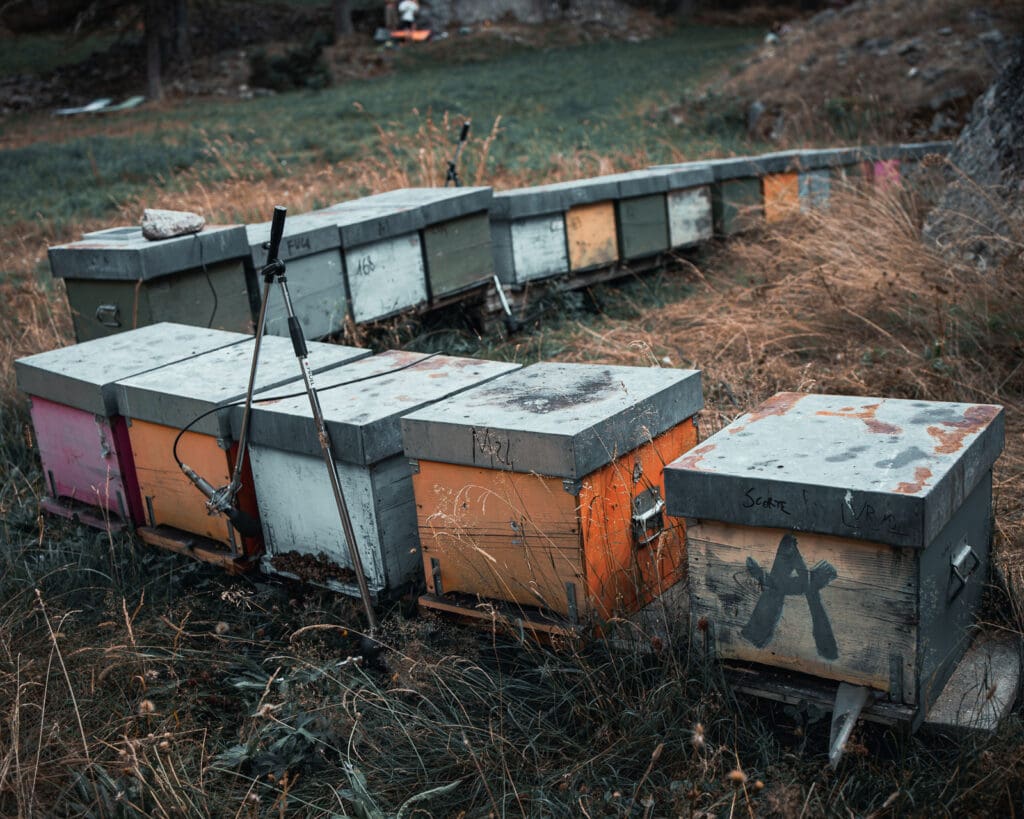
The turning point comes through meeting people who brought music… into the apiary. For Azzurra, the gateway is her friend, saxophonist Vittorio Catalano, who had decided to devote himself to beekeeping as well. Azzurra begins accompanying him to the apiary — learning, observing, and recording everything with her portable recorder. Even then, she was already building sound archives: geophonies, biophonies, and anthrophonies.
For Marna, the moment of revelation comes through Letizia, a friend who had just completed a course to become a beekeeper, and with whom she sets up a small apiary in Tuscany. The day Marna opens a hive for the first time, the sound of the colony overwhelms her. From that moment on, the study of the bees’ sonic language becomes an integral part of her musical research.

The Birth of Tobees
In 2019, Azzurra is invited by musician Alessio Mosti to record an album in a countryside house. A violin is needed, and Azzurra calls Marna. After the recording sessions, the three find themselves talking about insects, bees, sound, and synthesisers. Alessio is passionate about spiders and works at a high level with modular synthesisers.
It is within this context that the first core of TOBEES takes shape. At the outset, the music is more conceptual and contemporary, closely aligned with the most experimental strands of sound research.
Later on, due to personal and professional choices, Alessio steps away from the project and the formation is reduced to two people — yet its identity grows stronger. Azzurra and Marna radically rethink the direction of the project.
They want a music that is less conceptual and more immersive. They want to move away from intellectualisation and dive into sensory connection. They want to place people and experience at the centre. They want to step out of the laboratory and embrace living nature.
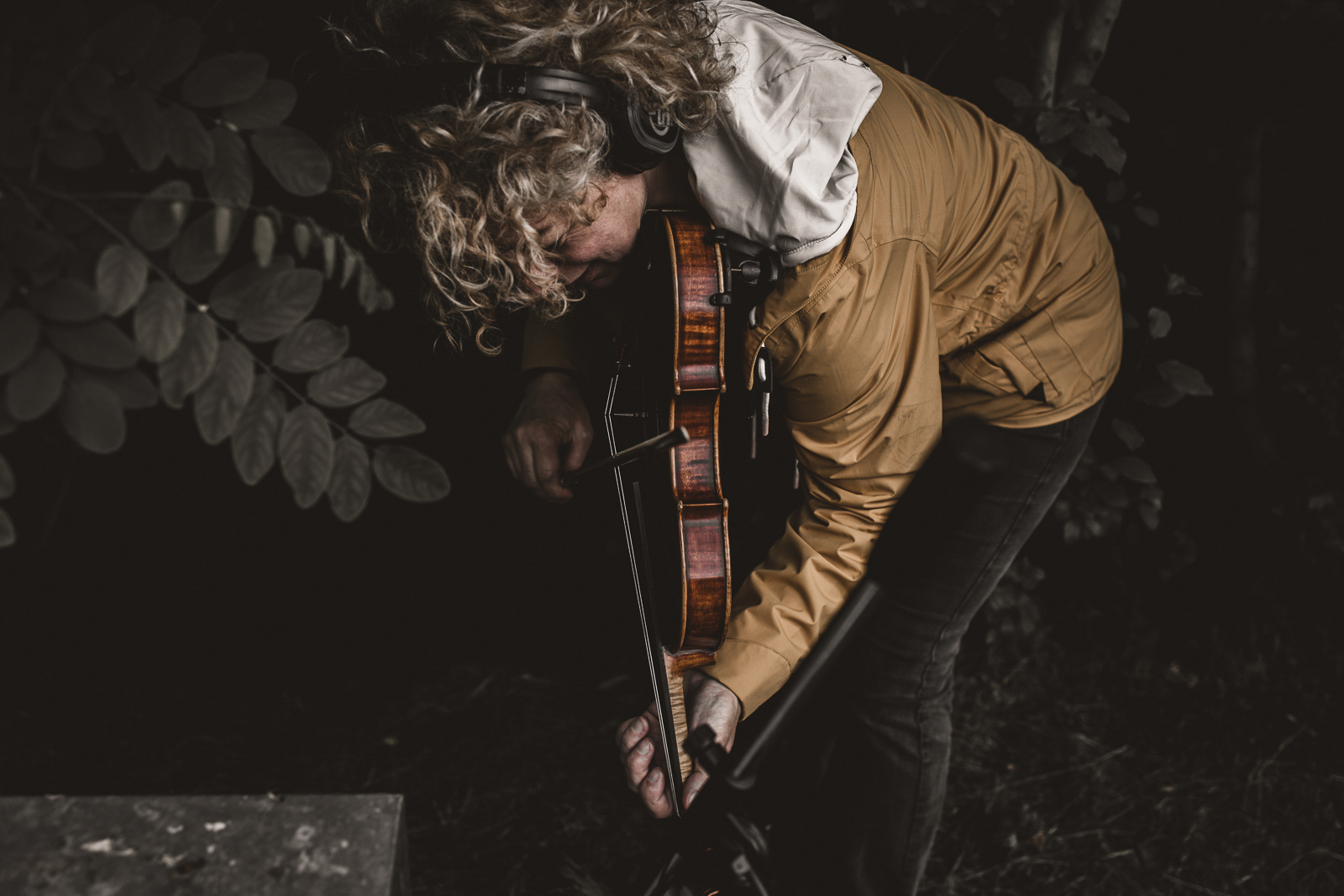
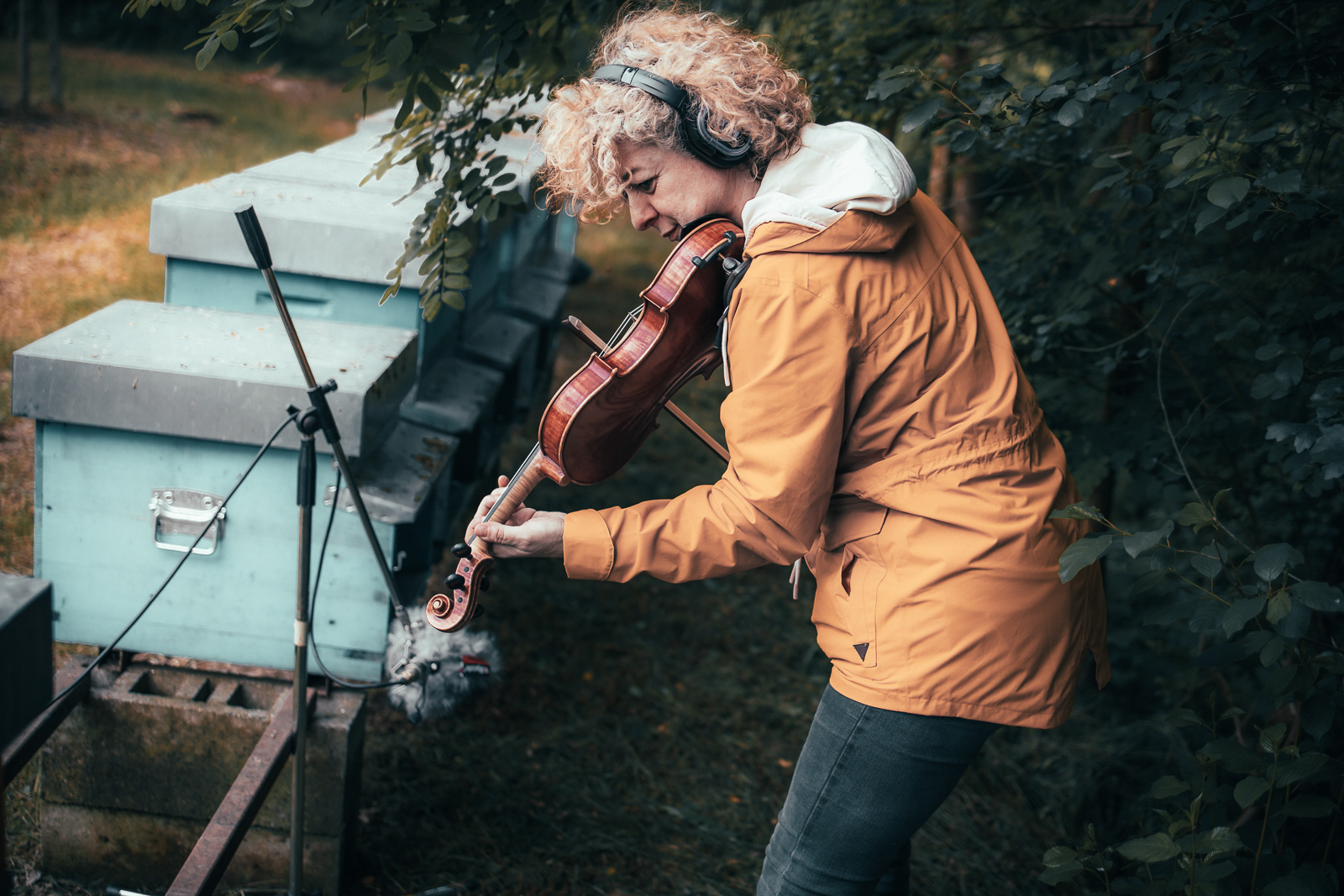
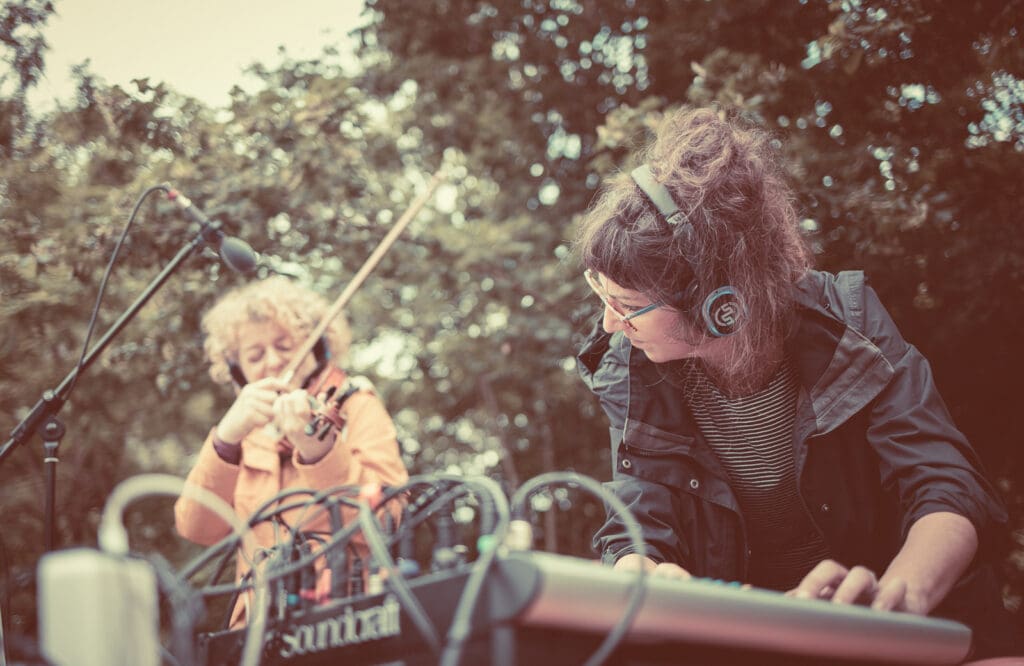
Marna begins to play directly to the bees — a gentle, respectful serenade, an act she was already accustomed to performing with her hives.
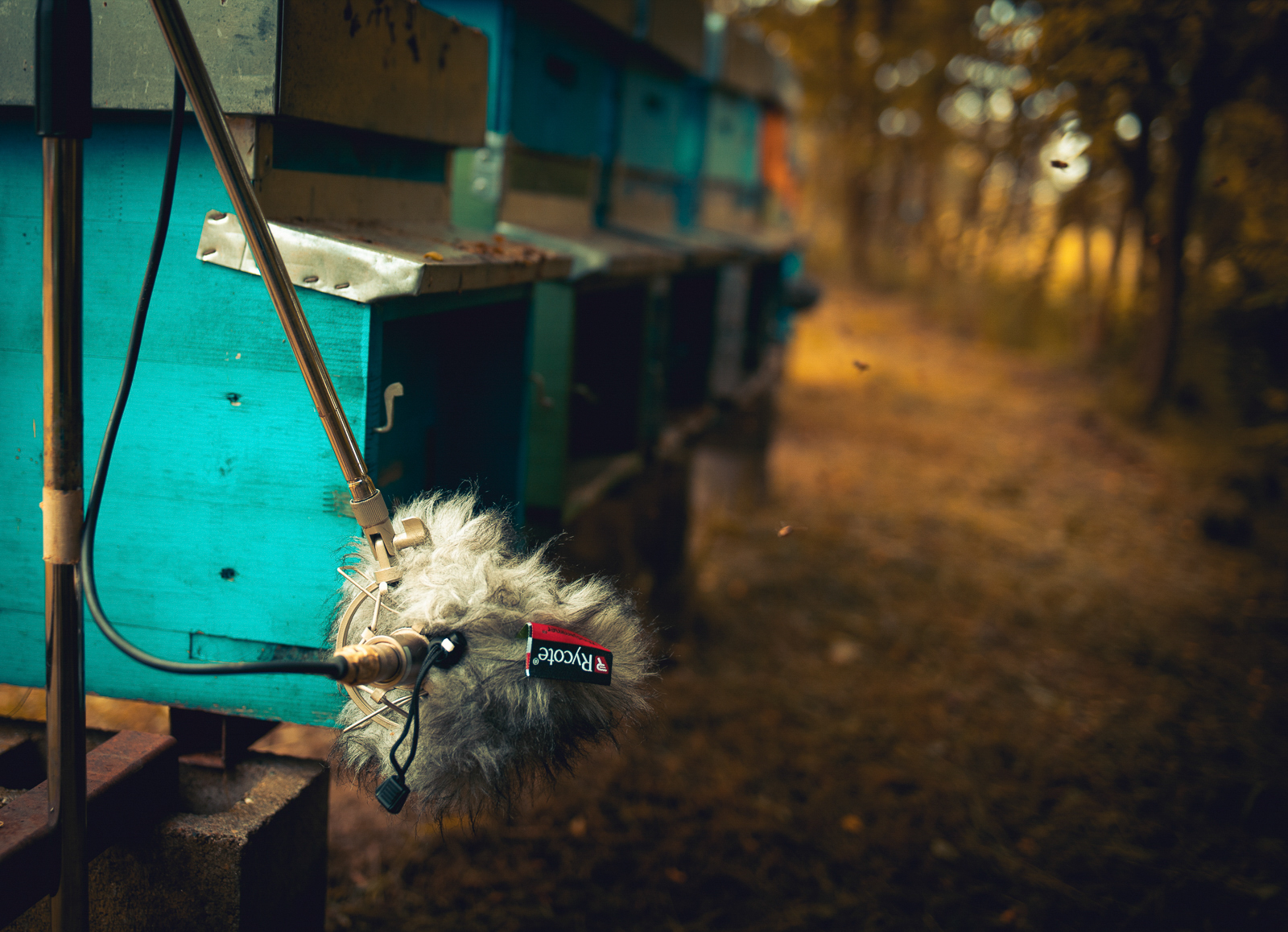
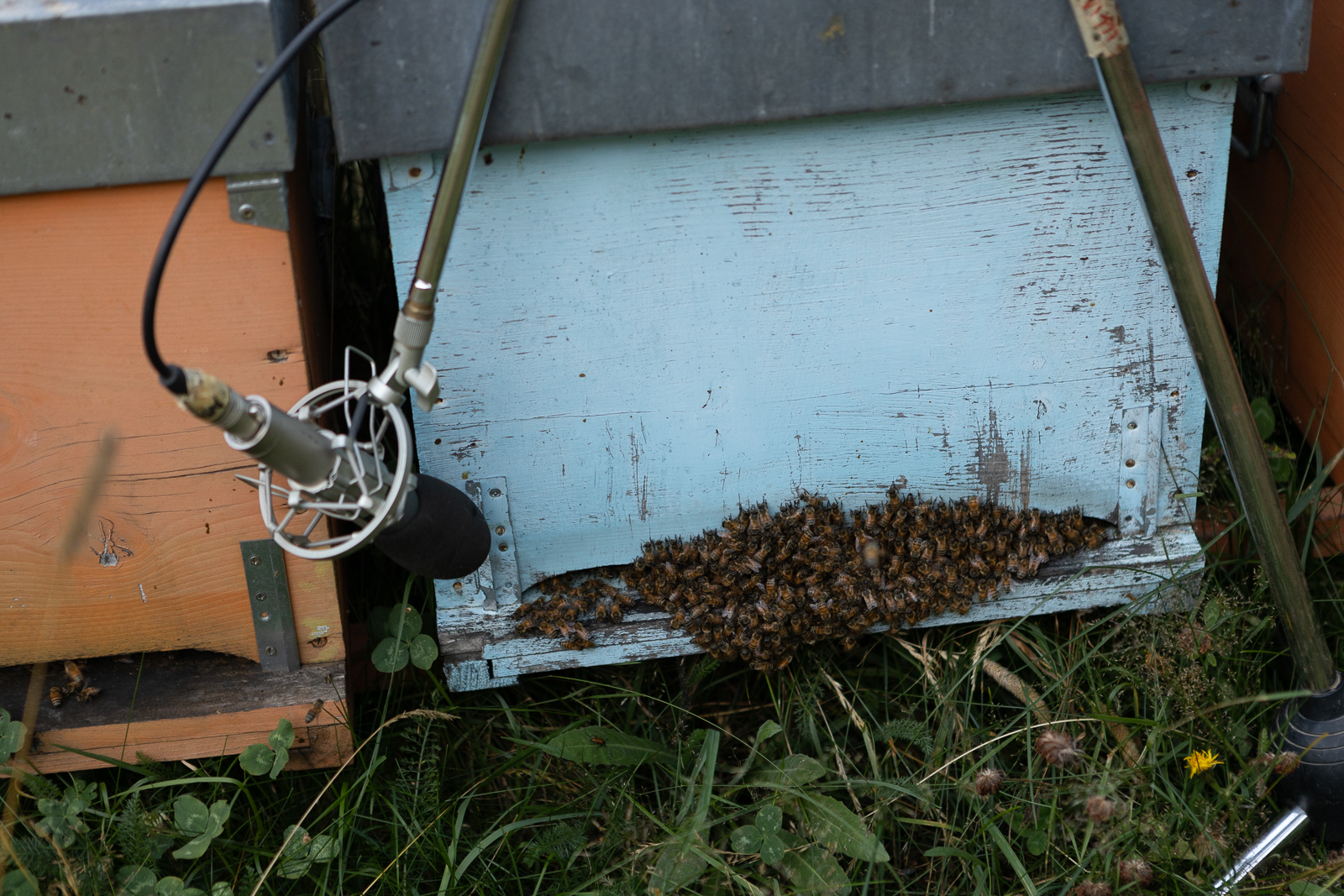
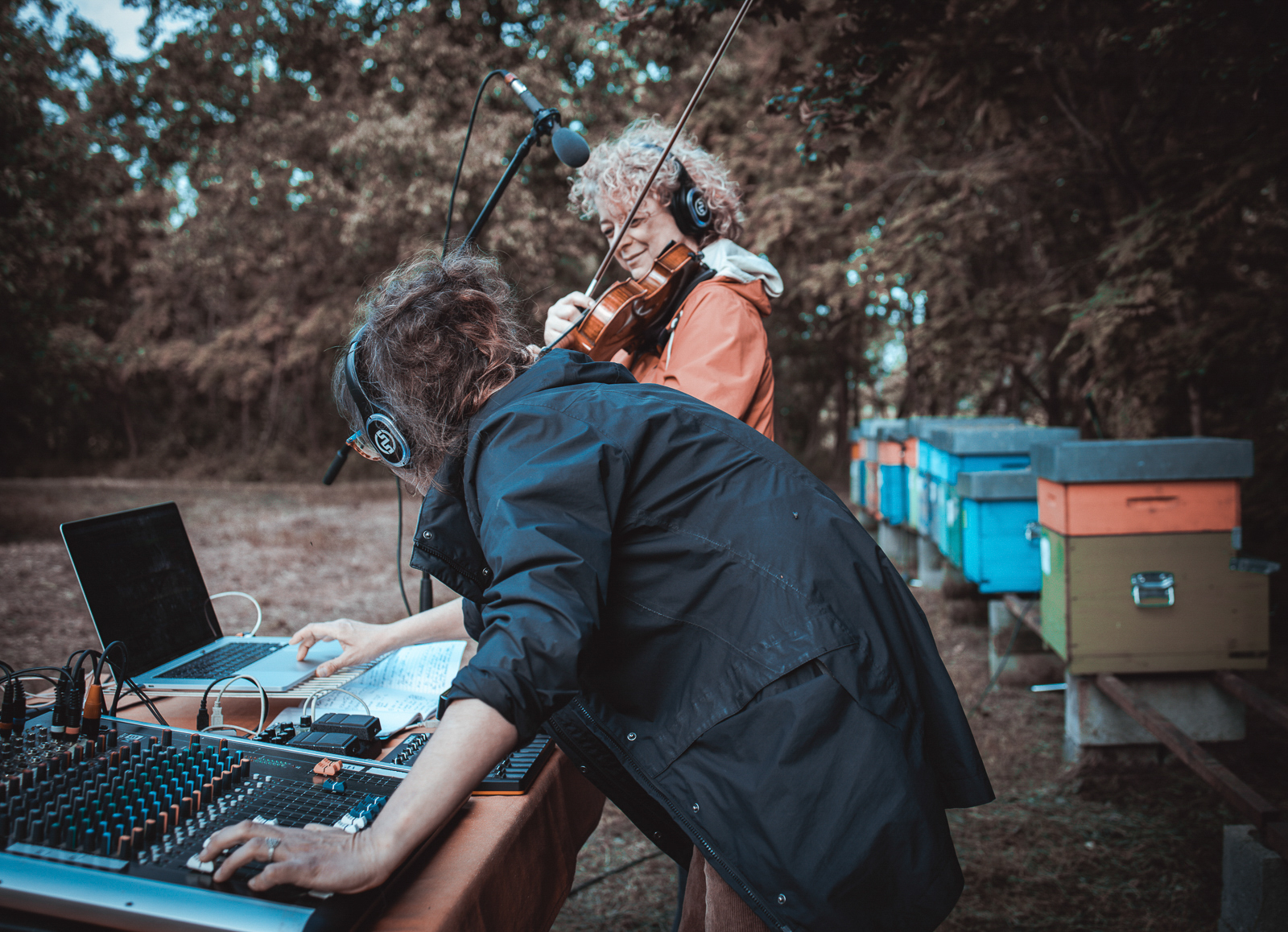
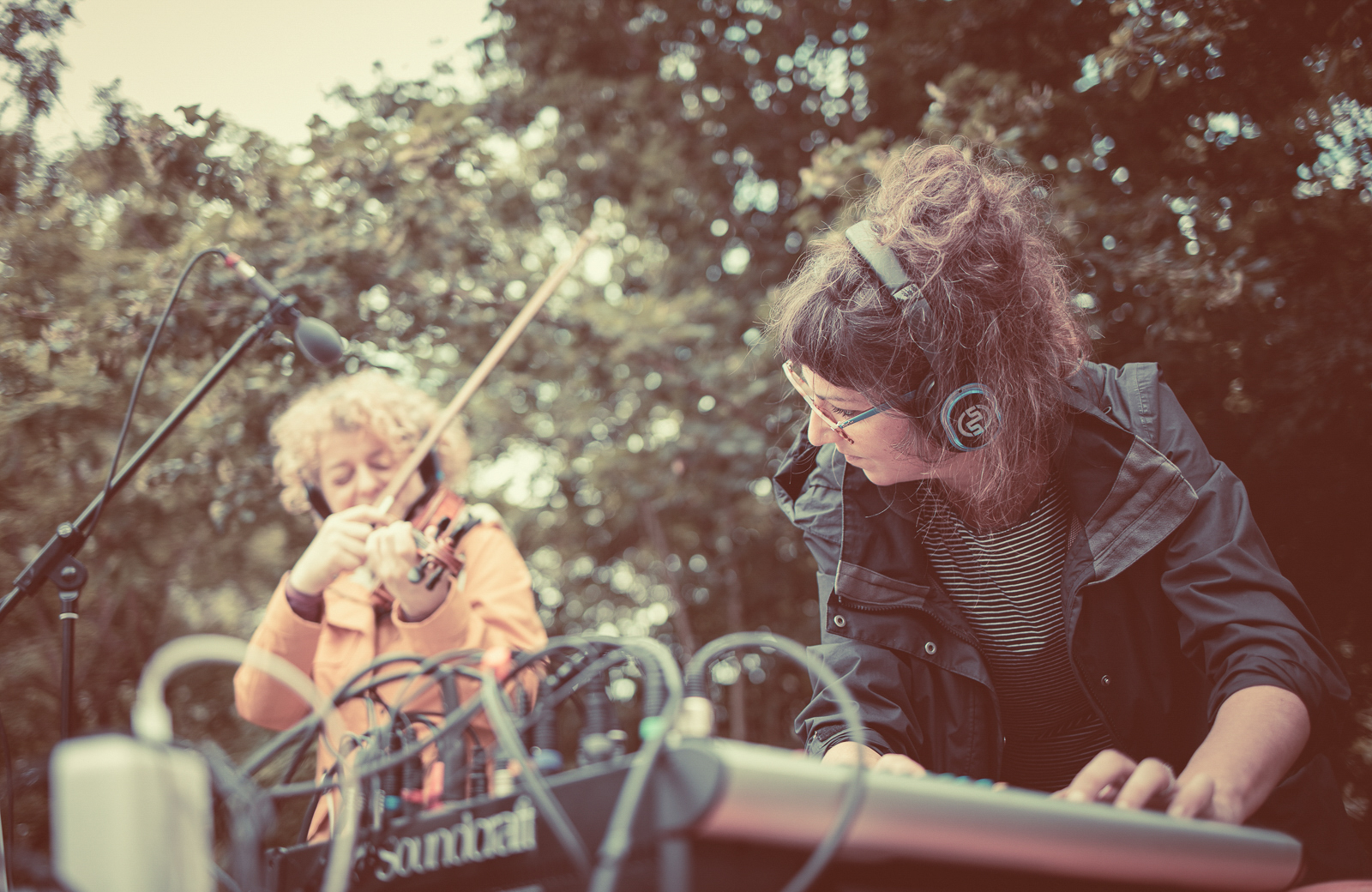
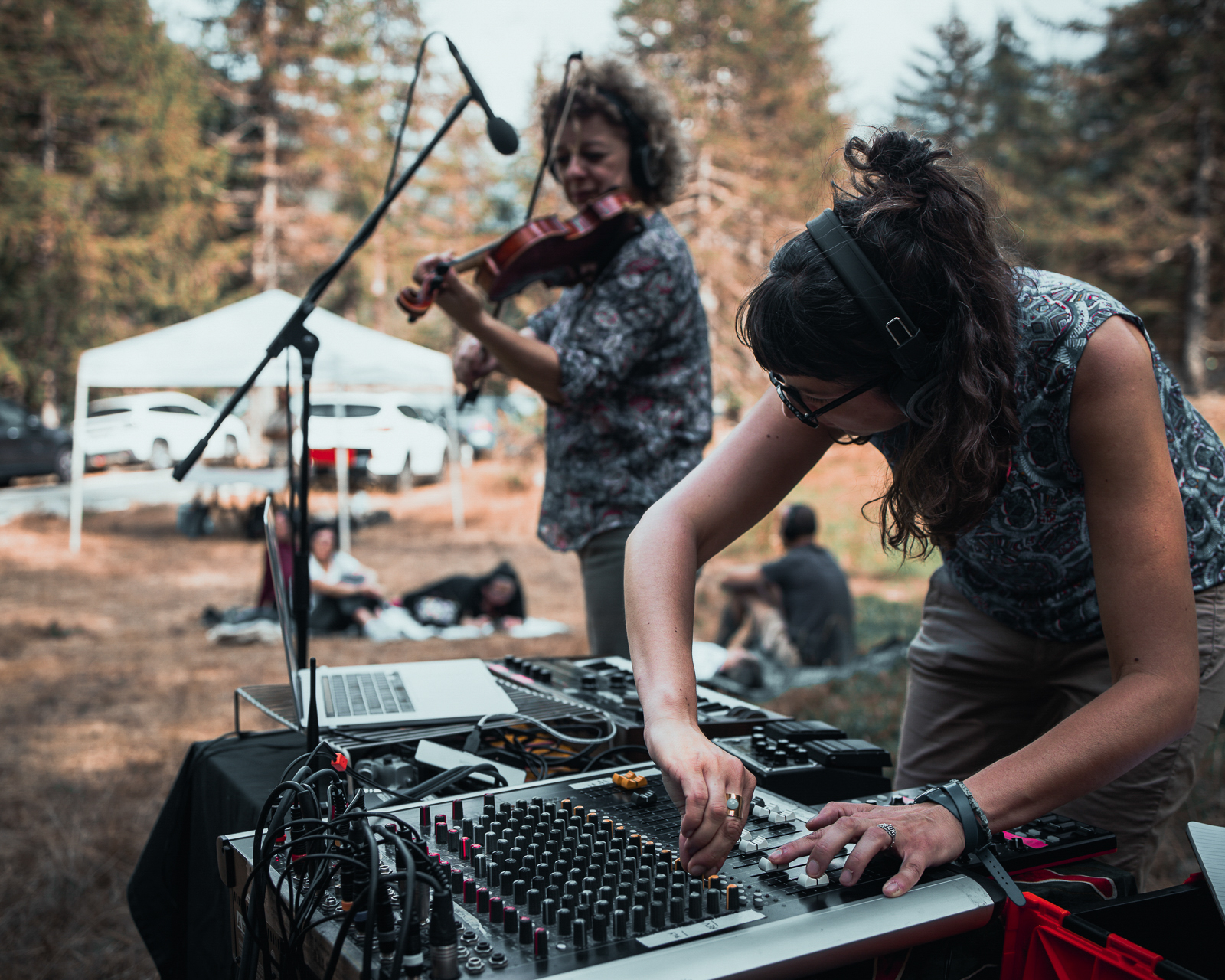
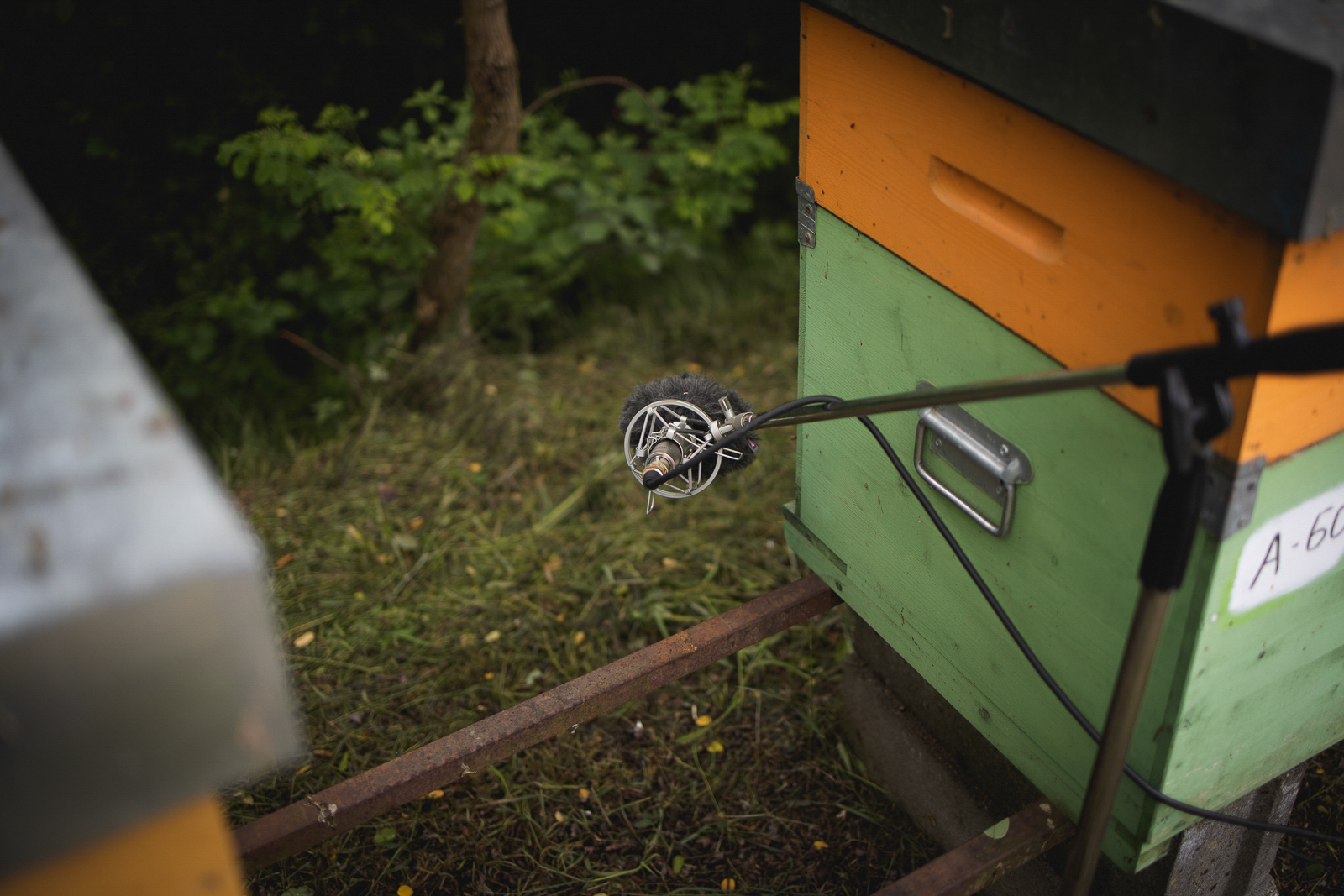
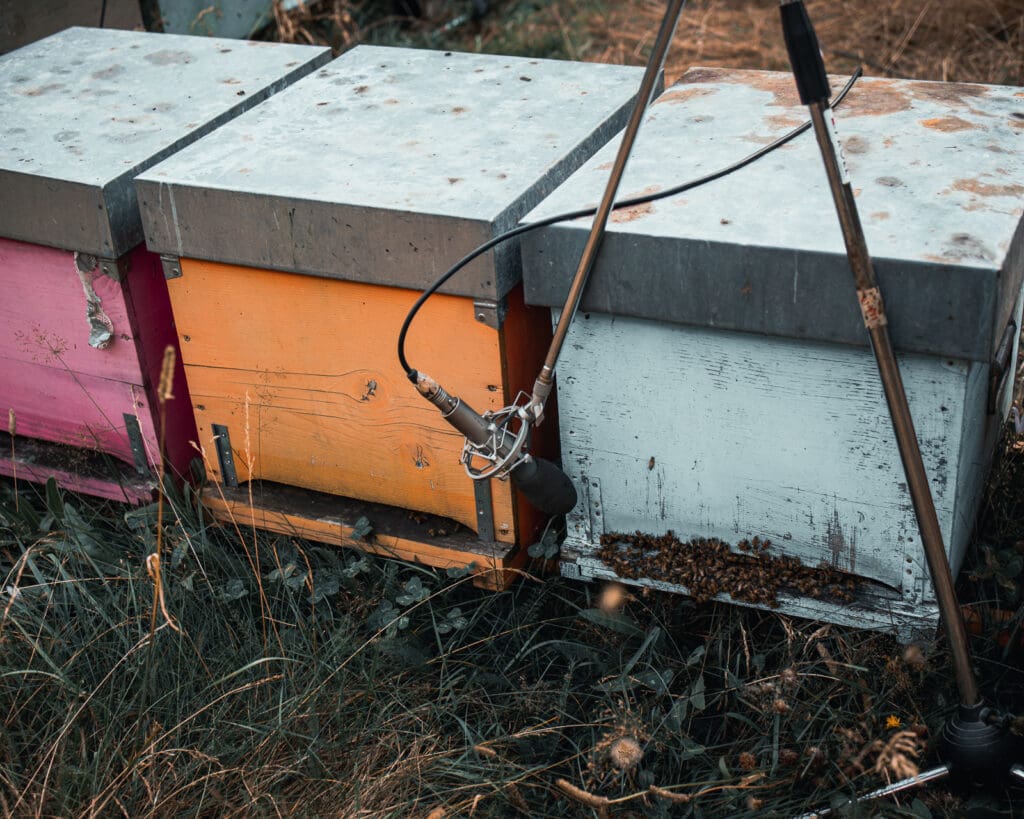
Azzurra develops a complex recording system: directional microphones, binaural and contact mics, samplers, and synthesisers.
The project sheds its skin, and this is how “TOBEES – Soundscapes for Biodiversity” is officially born.
Apiary Concerts
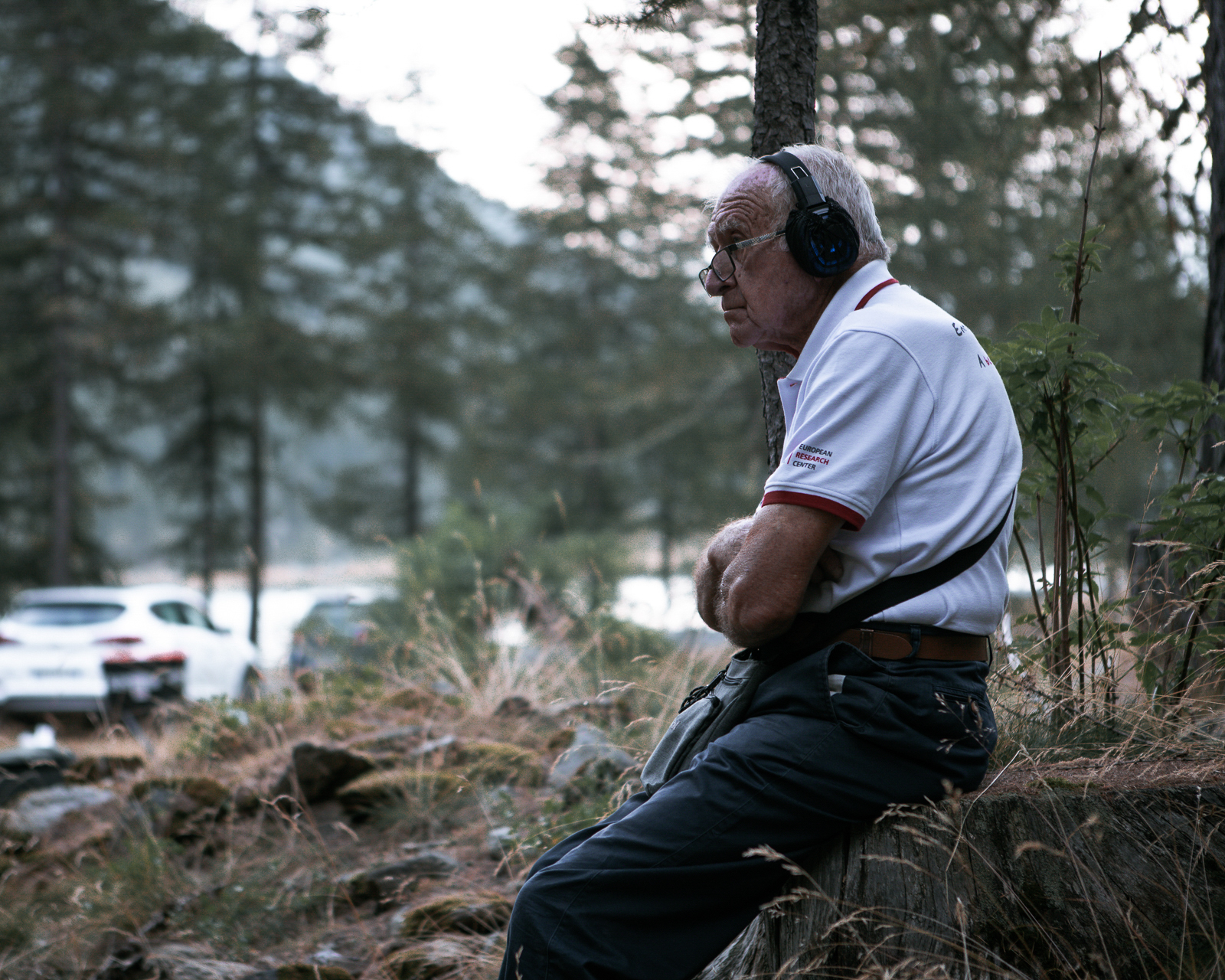
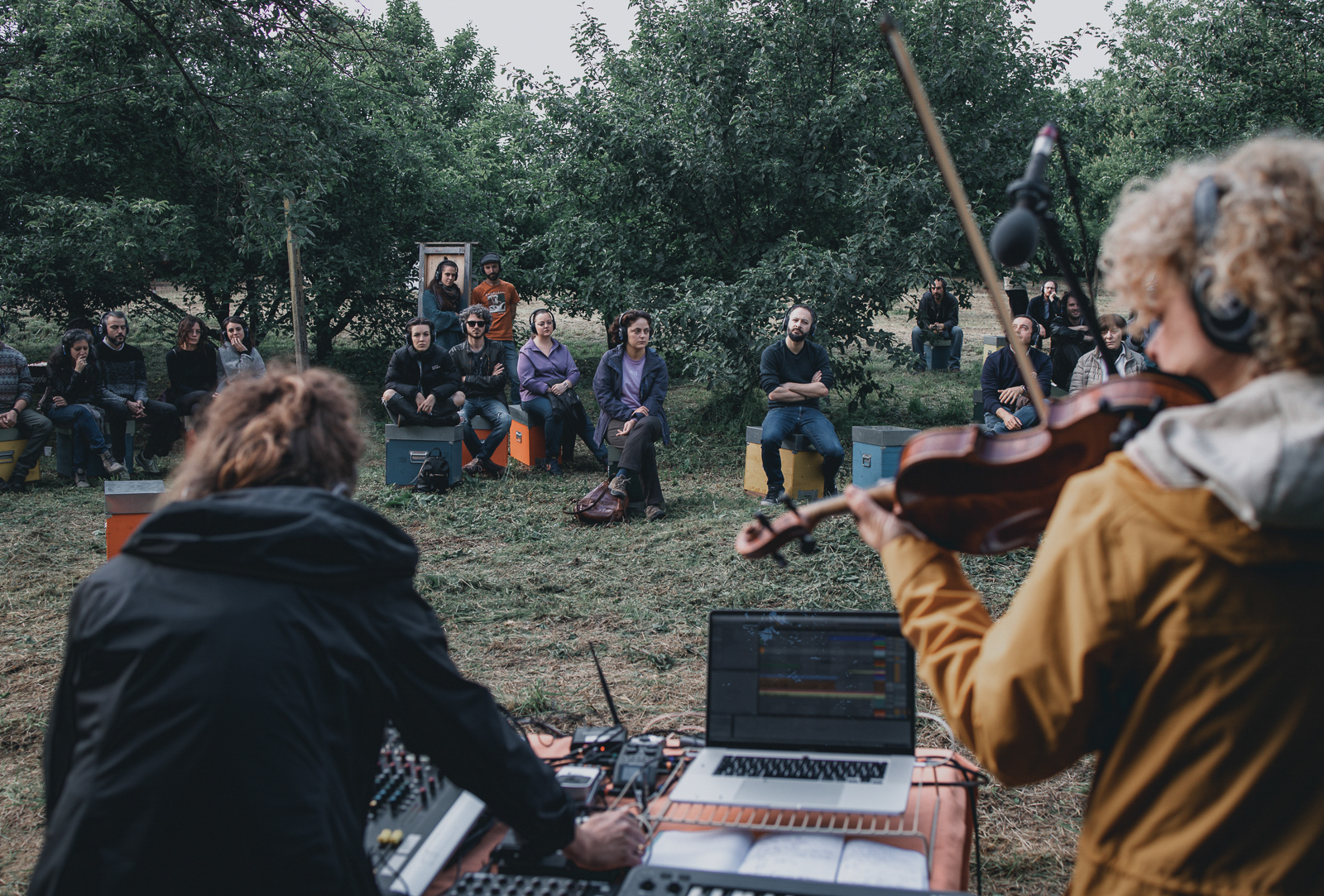
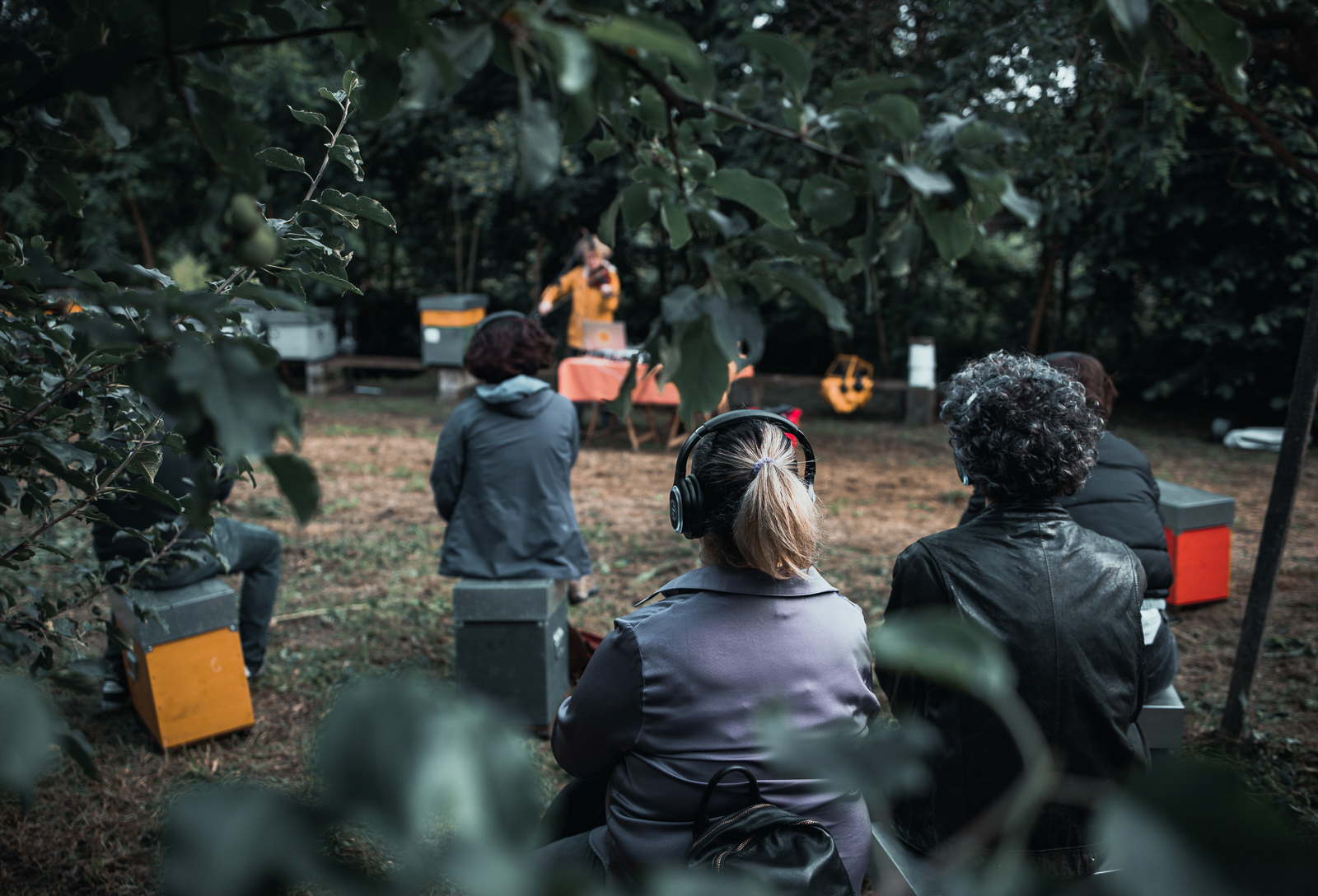
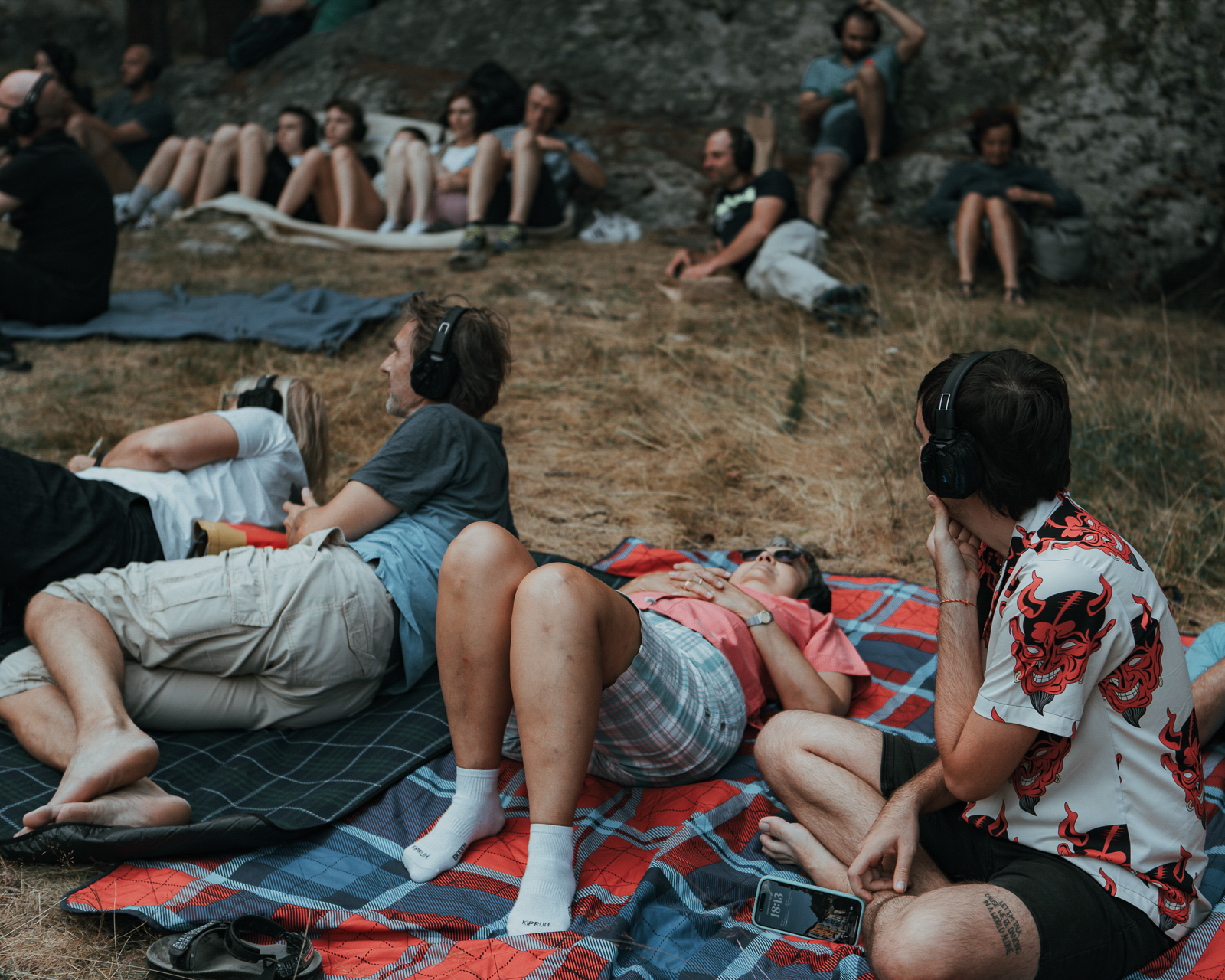
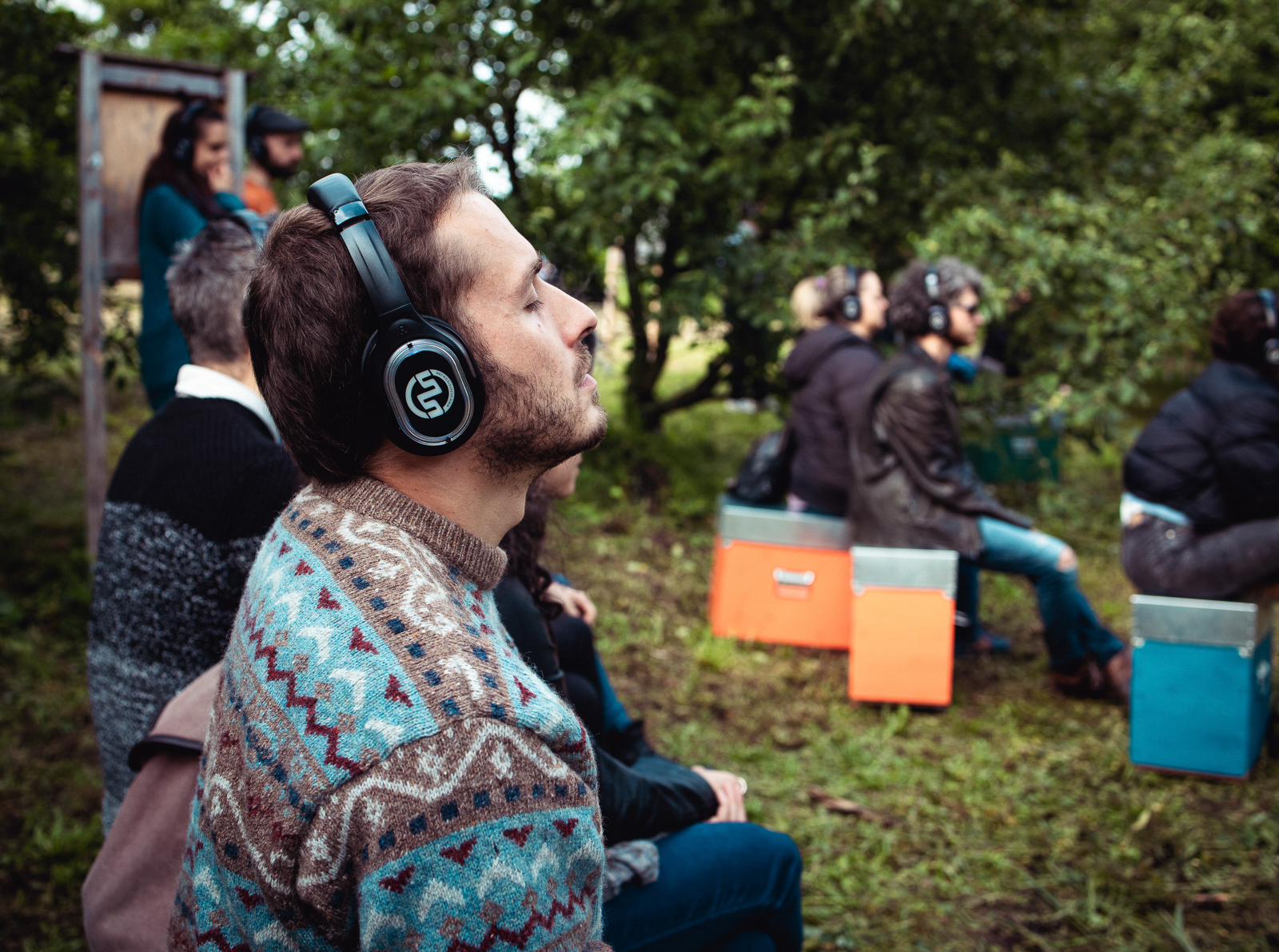
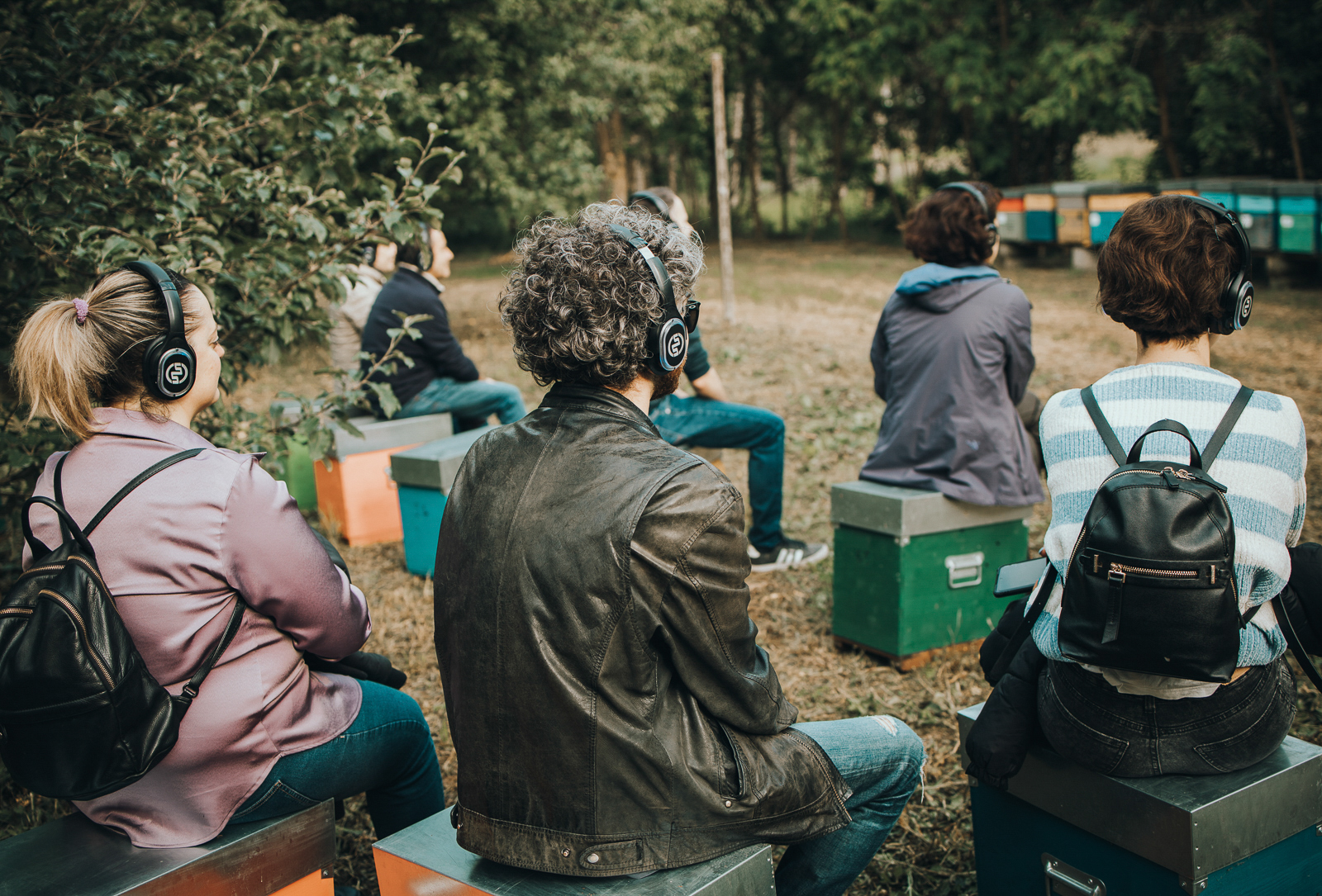
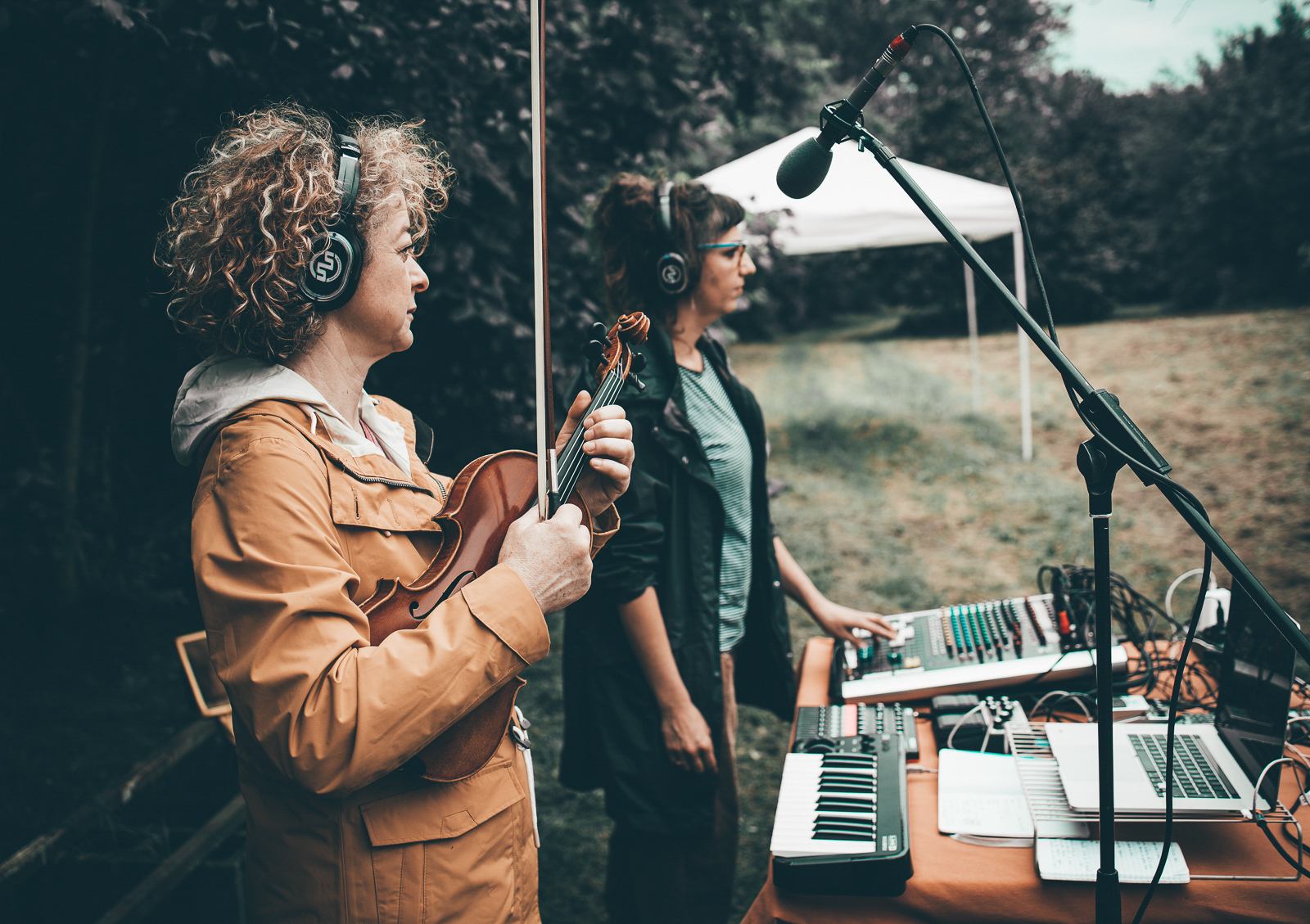
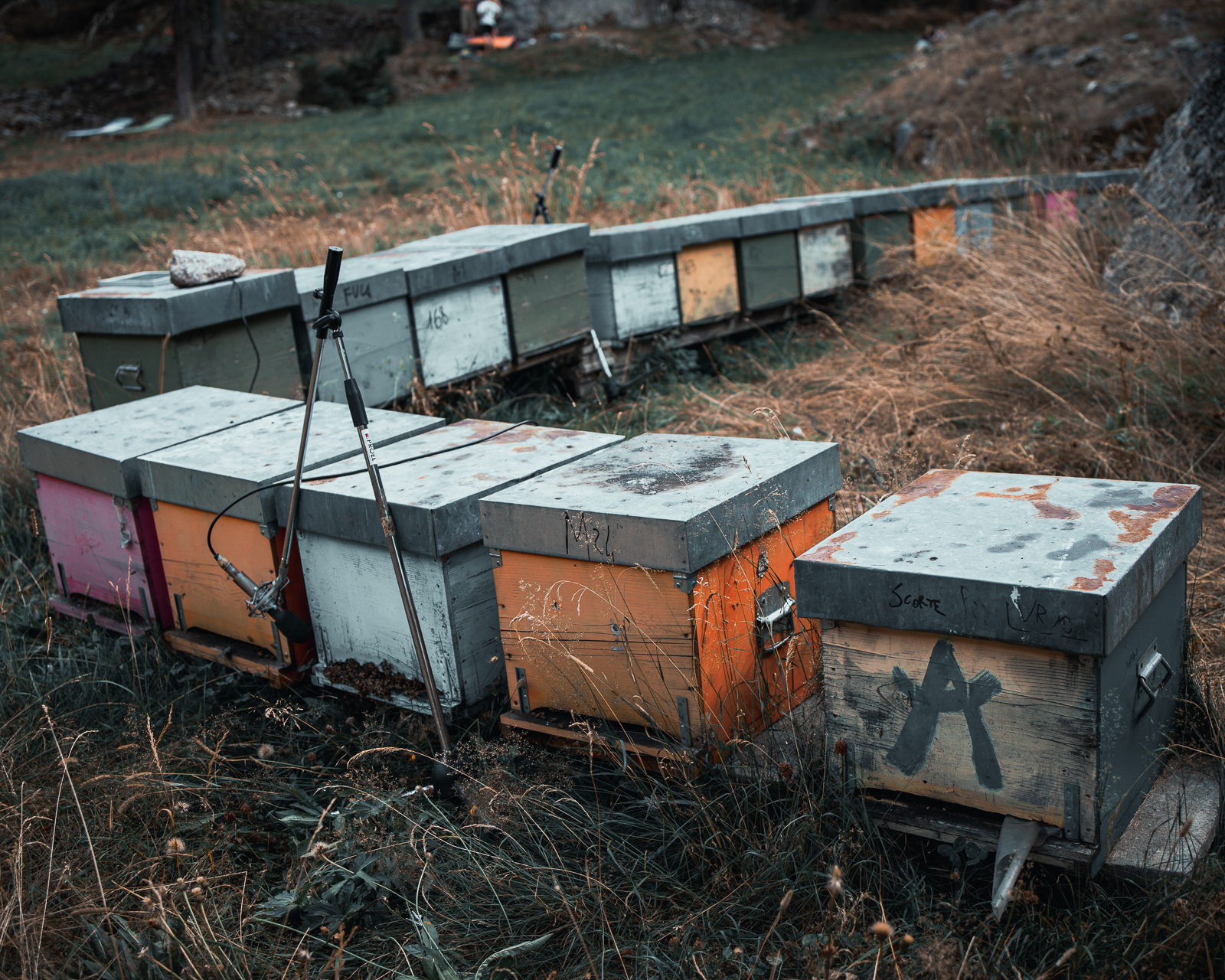
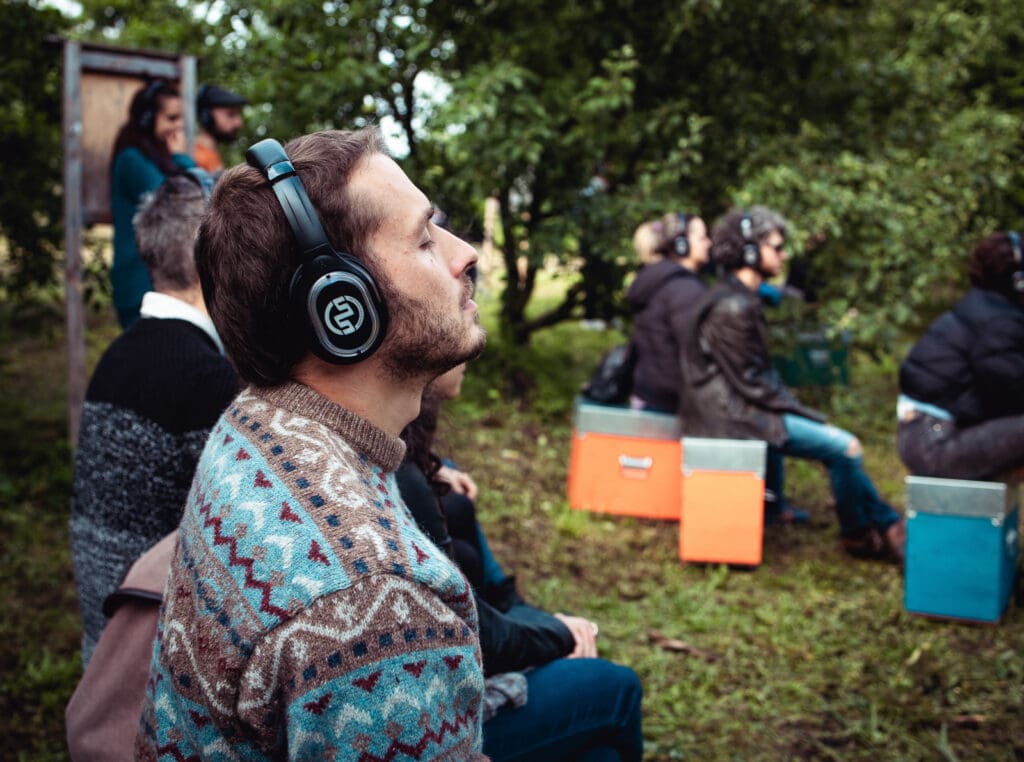
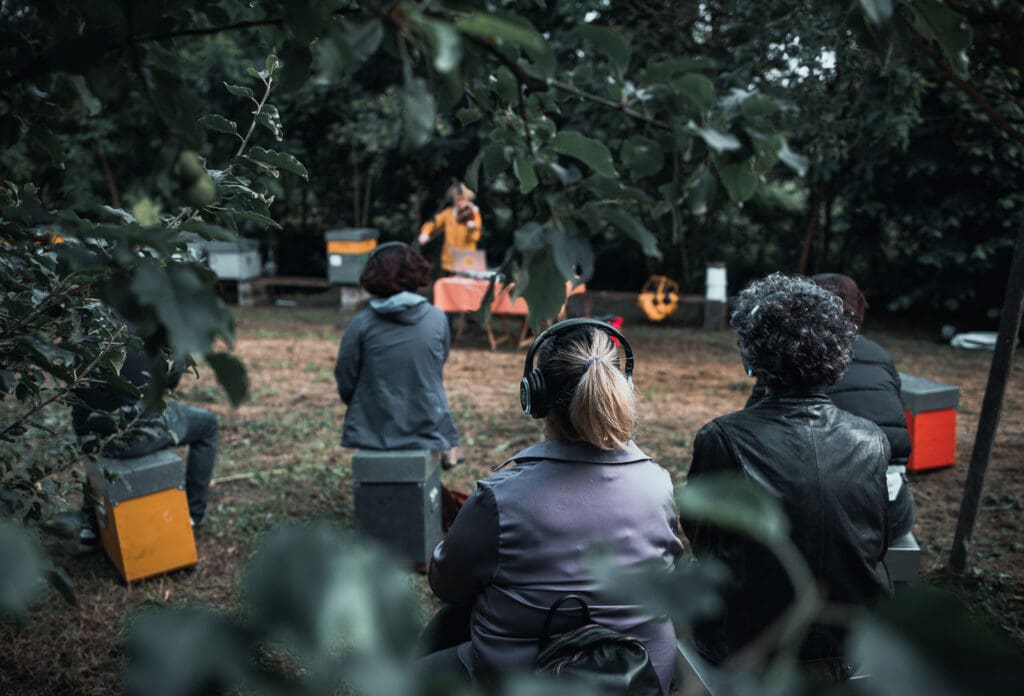
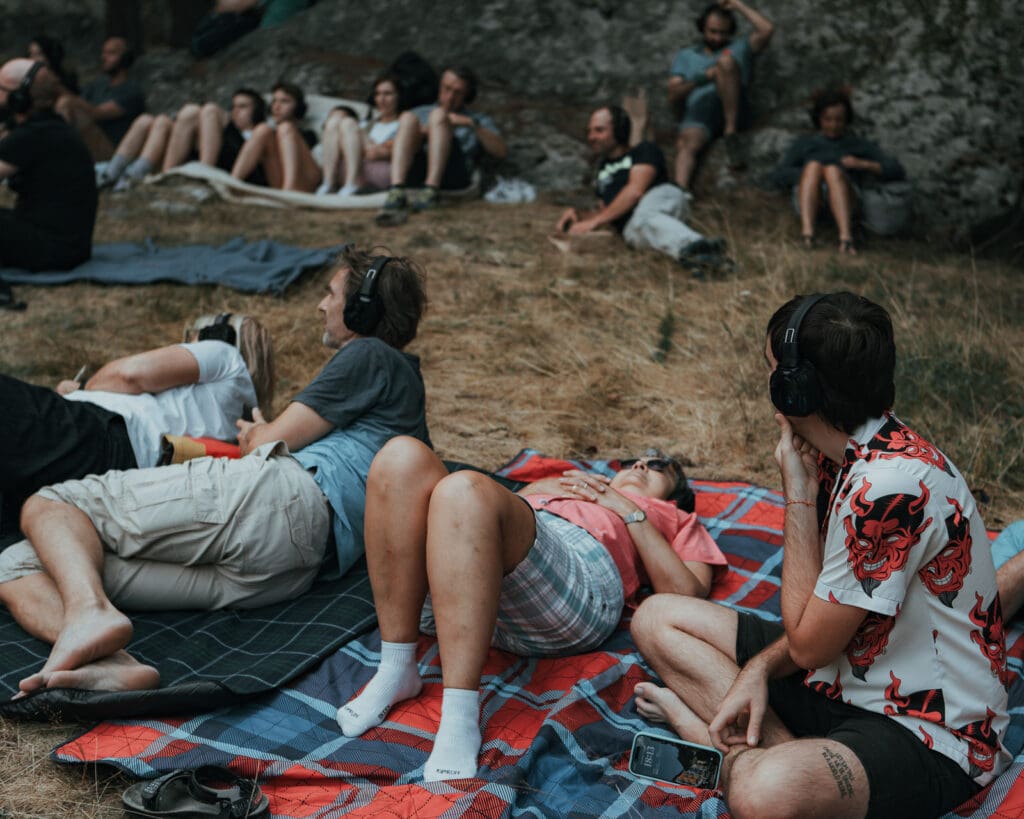
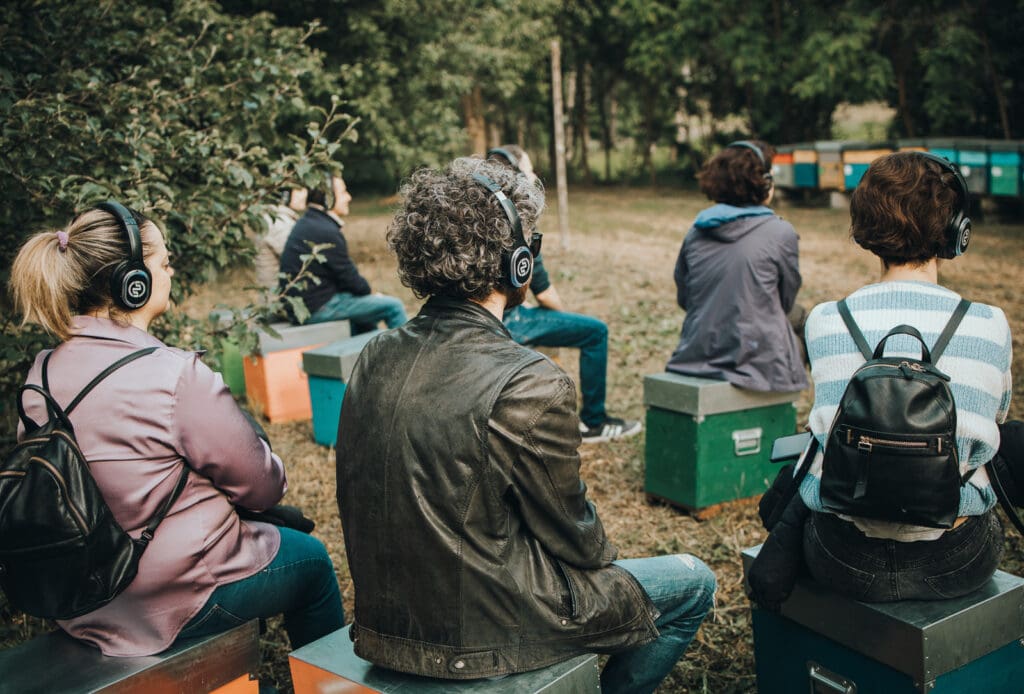
At the heart of TOBEES’ music lies sound work within the apiary. These are open-air concerts for 30–50 spectators, all wearing wireless headphones and immersed in the soundscape of the hive. The headphones serve both to avoid disturbing the bees and to isolate the listening experience, preventing contamination from anthropogenic noise.
Azzurra records and manipulates in real time the sound of these extraordinary pollinating insects and of the natural environment that surrounds them. Guided by the sonic textures shaped by Azzurra, Marna enters with her violin, chiselling notes and musical phrases, creating a magical union between nature and humankind, between electronics and ancient musical instruments.
It is a sensory ritual.
A deep listening experience, almost three-dimensional.
An intimate journey into the hive — and into the soul of each of us.