The sound comes before the images.
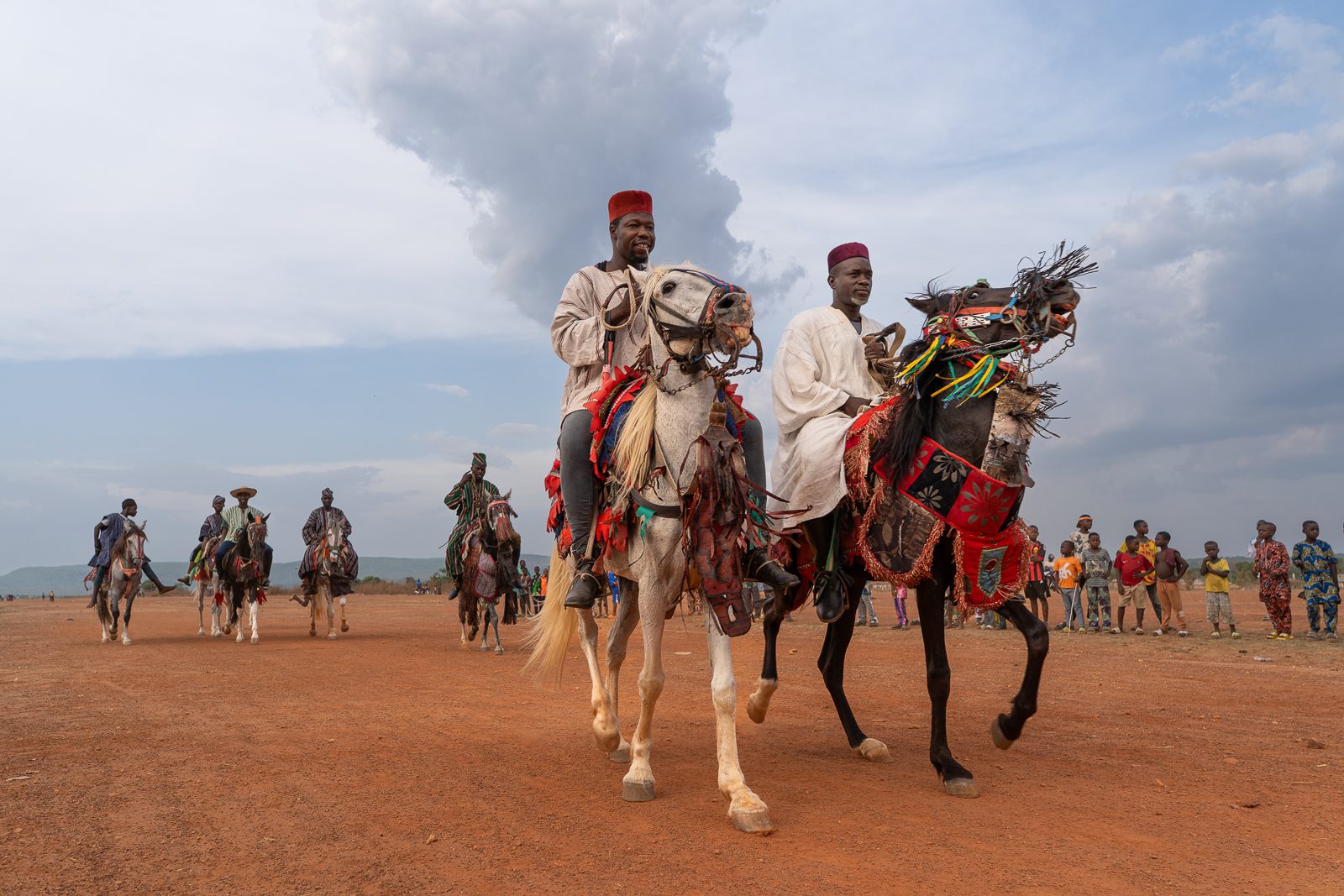
The sharp clatter of hooves on the red earth, the rhythm of drums slowly building, the cries of the crowd pressing in along the route. Then they appear: the horsemen.
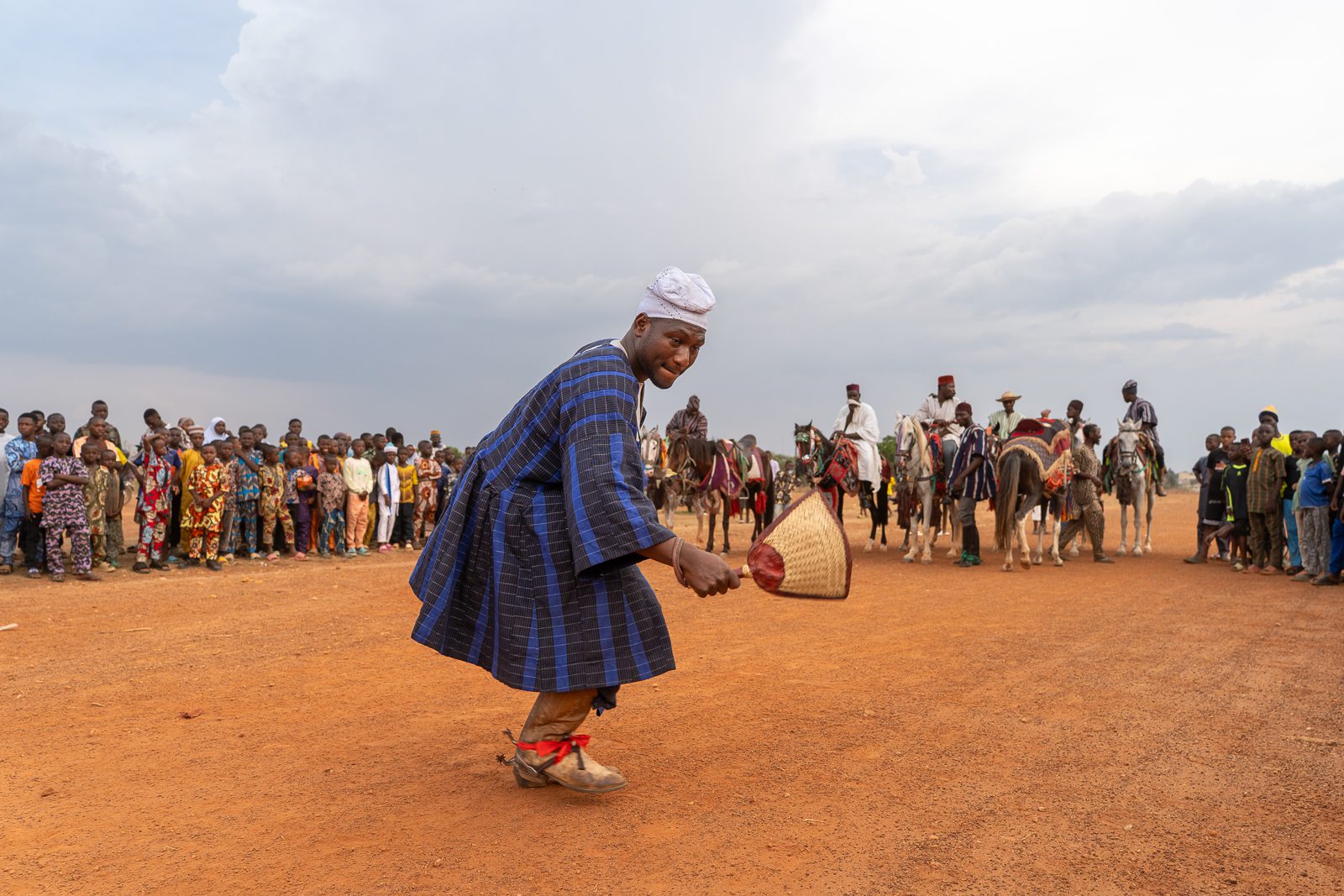
In Sokodé, in central Togo, the horse dance is far more than a folk spectacle. It is collective memory, identity and a sense of belonging. It is a moment when a people come together to tell their story once again through ancient gestures, passed down from generation to generation. The celebration forms part of the traditional Adossa-Gadao festivities, the most important cultural event of the Tem people, a community that for centuries has preserved its traditions, myths and rituals in the heart of West Africa.

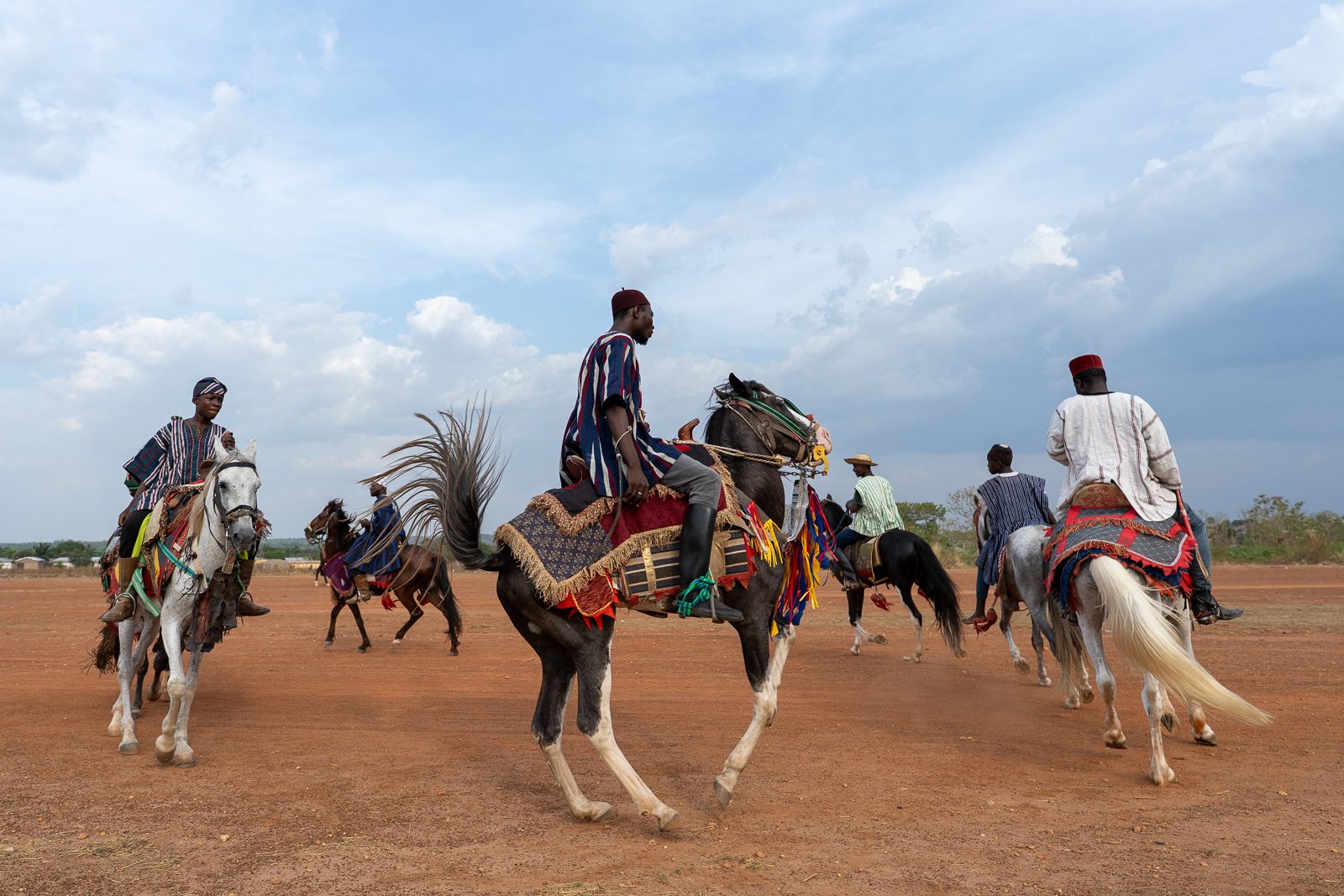
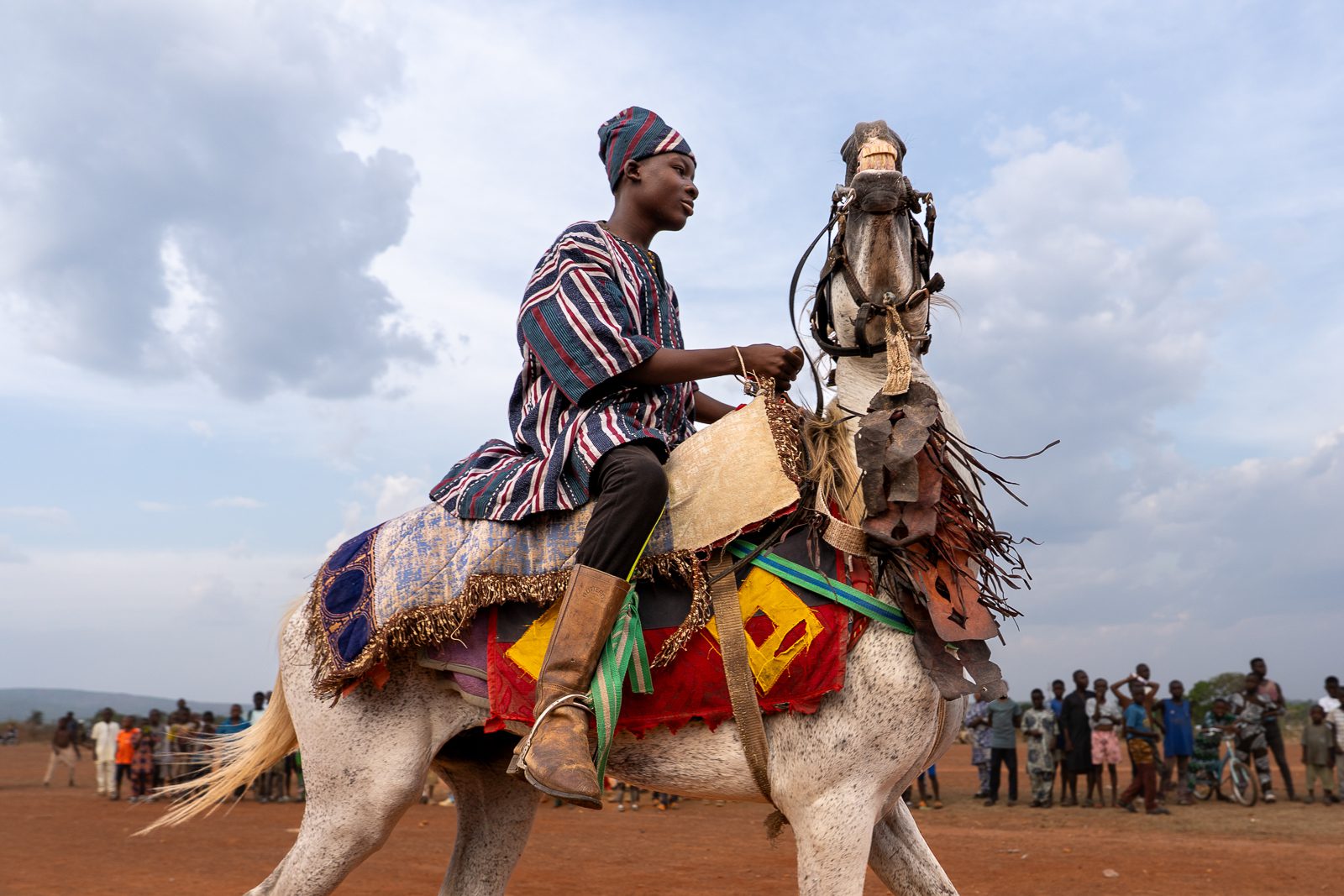
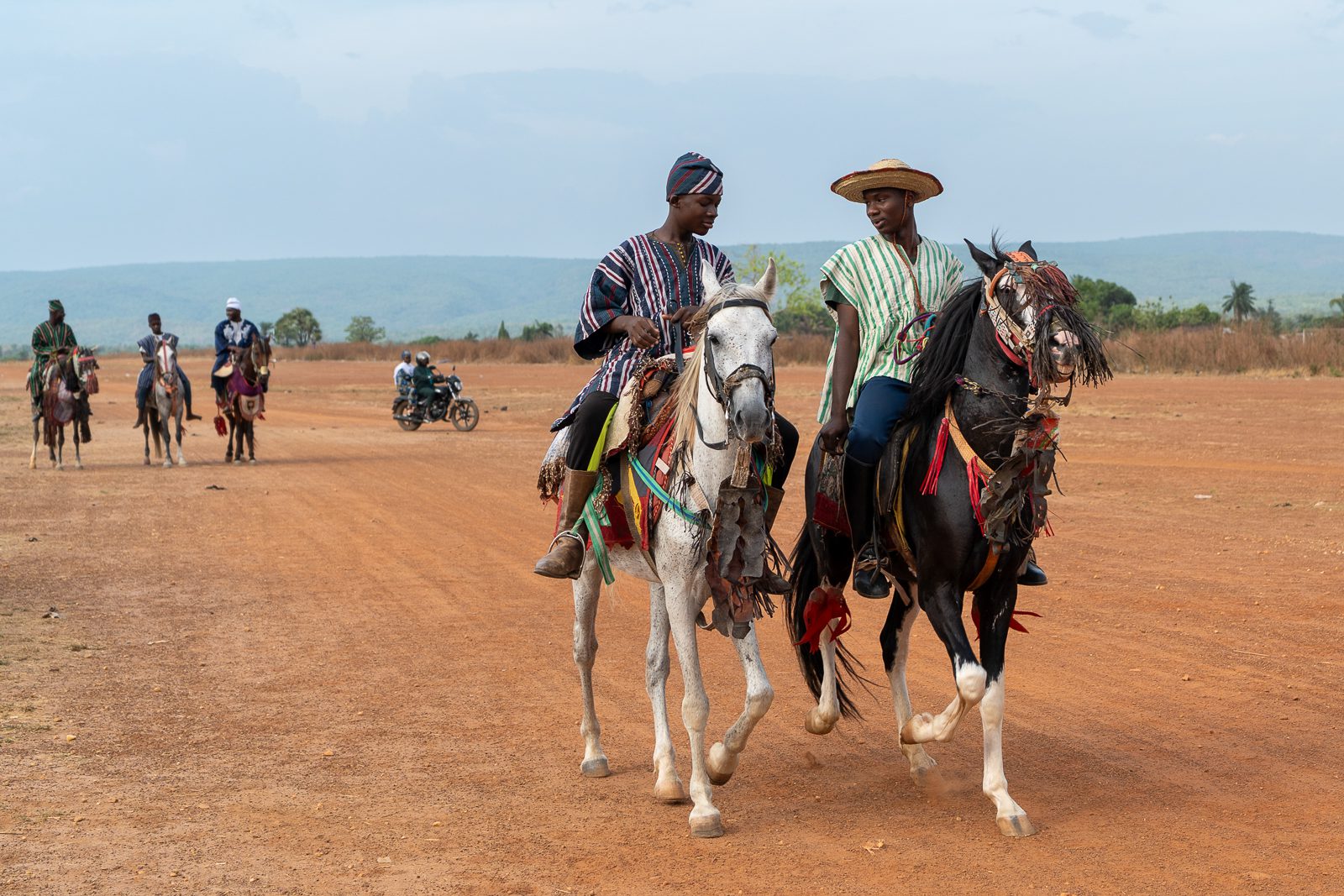
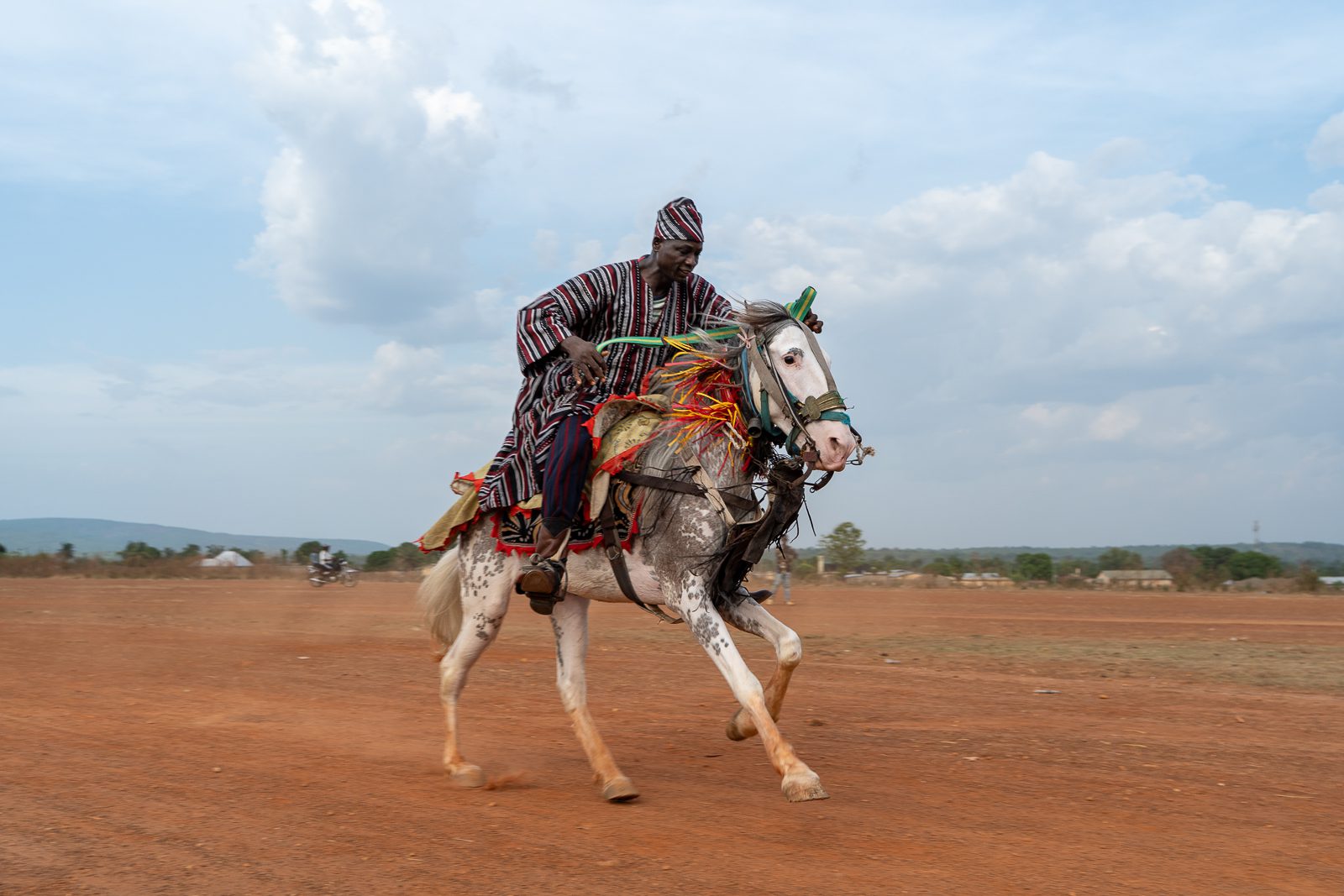
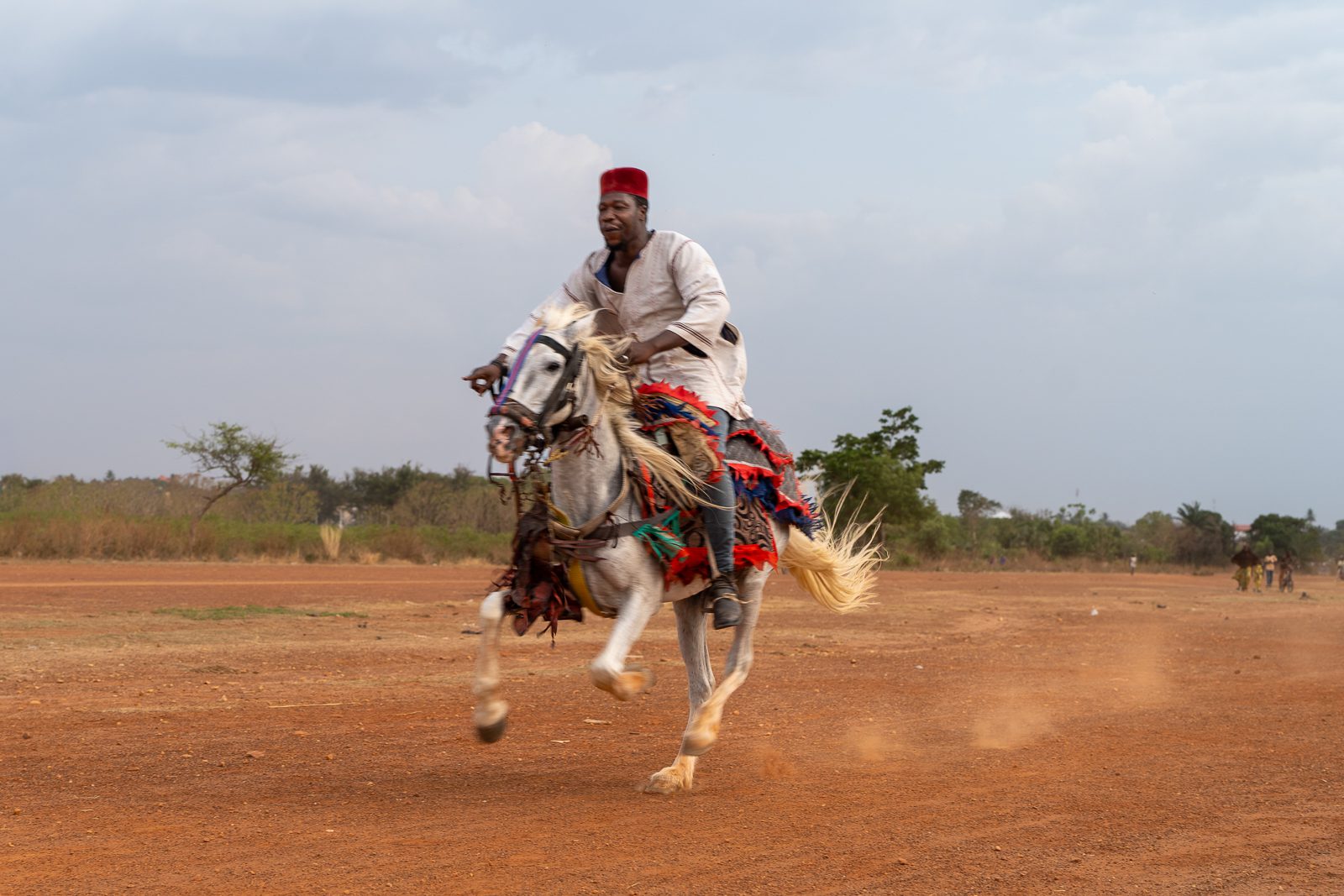
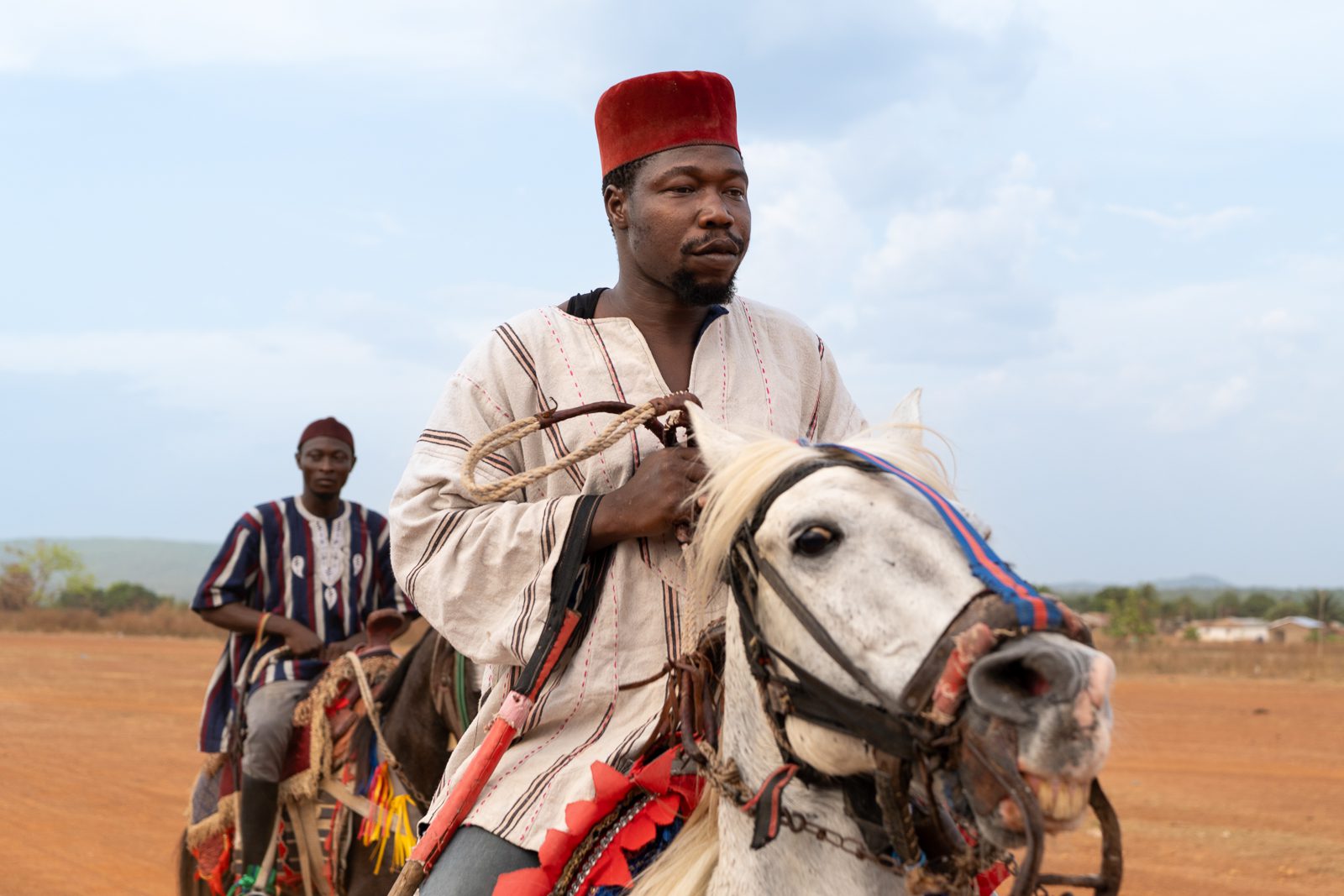
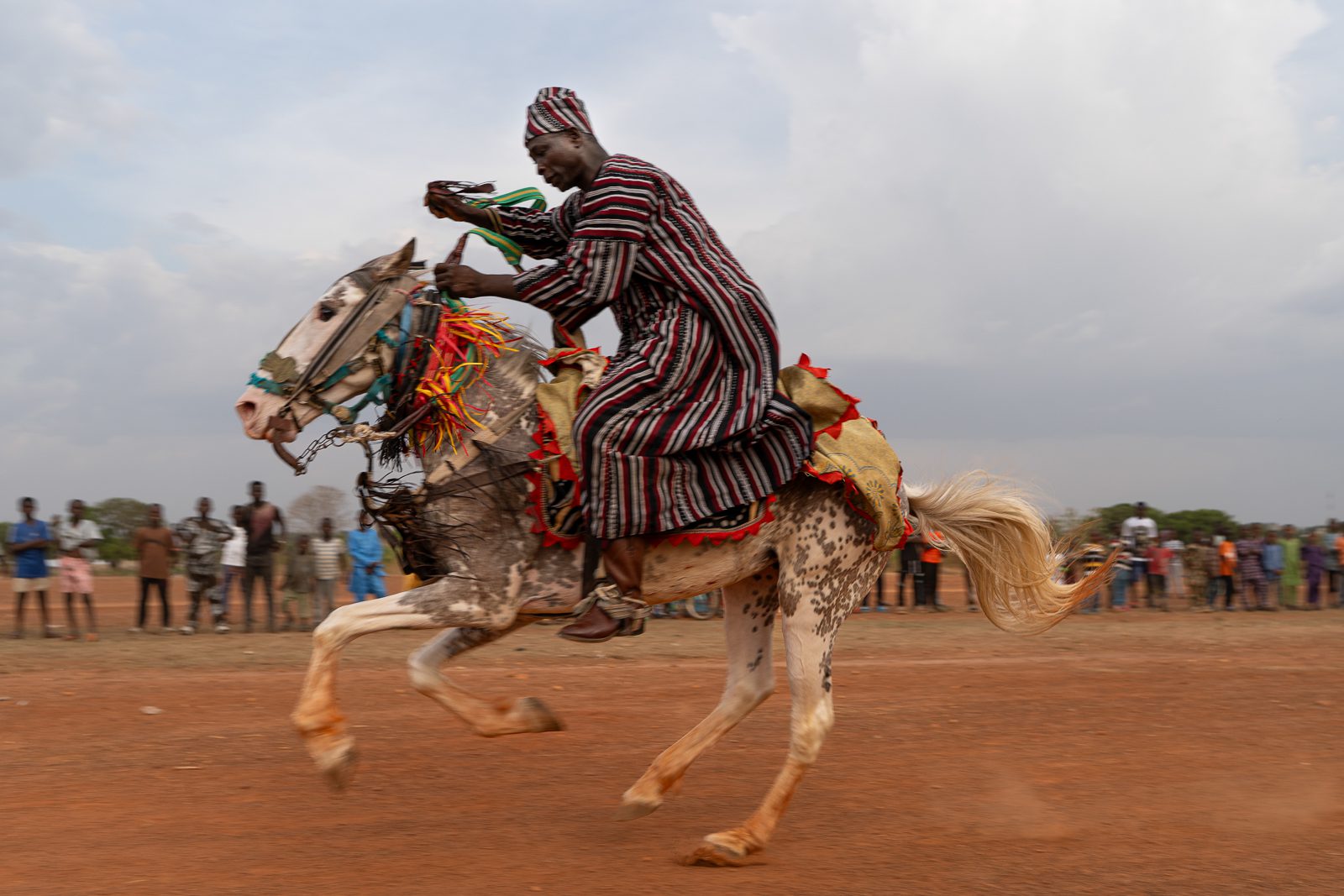
The horses move through the dust and music like figures from another age. Their colourful trappings gleam in the sun, embroidered fabrics sway with every movement, and the riders proudly display their skill. This is neither a competition nor a simple parade: every gesture evokes an ancient story, rooted in the legacy of the Tem horsemen who, according to tradition, helped defend and shape the territory of Tchaoudjo. Even today, the horse remains a symbol of prestige, strength and authority.
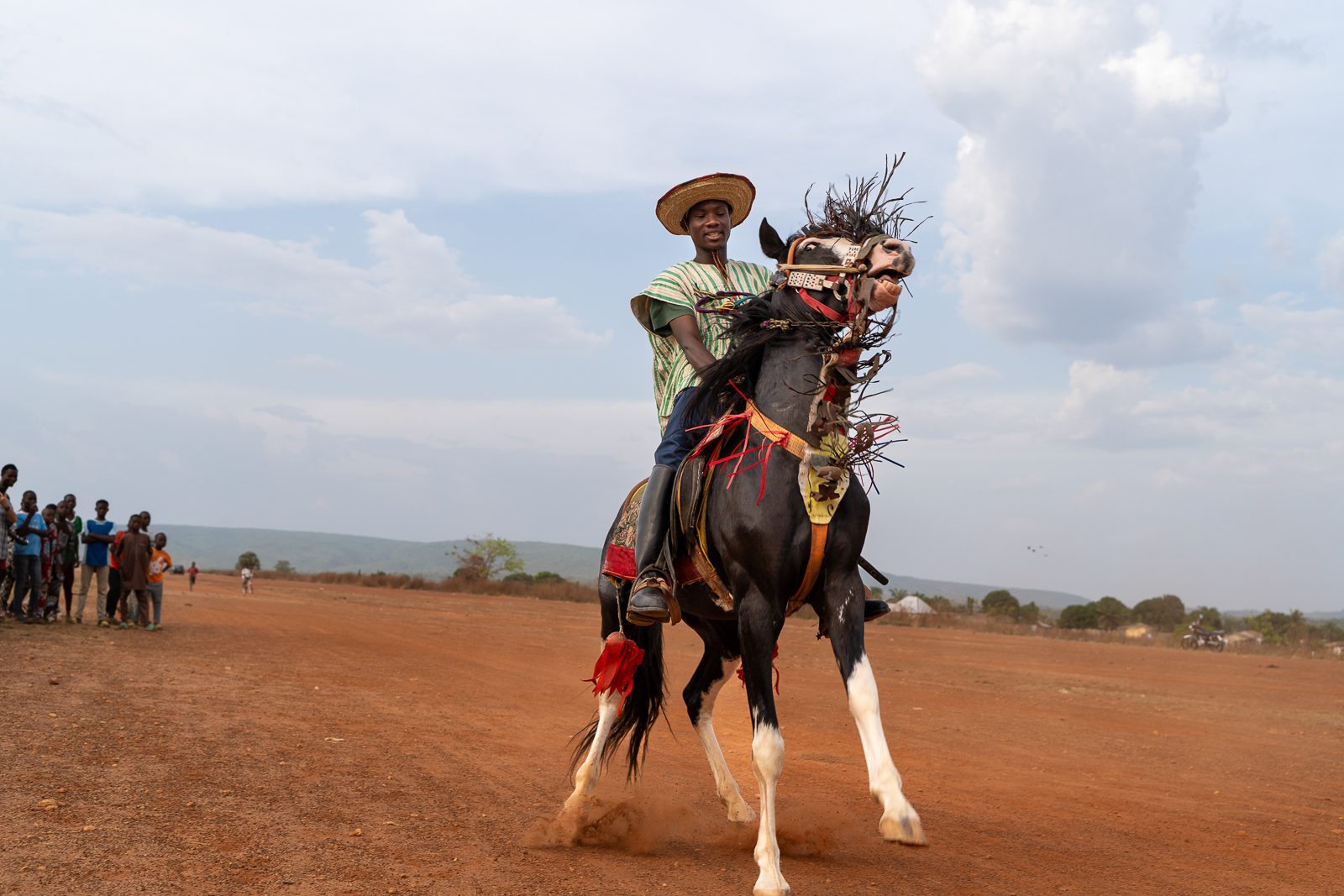
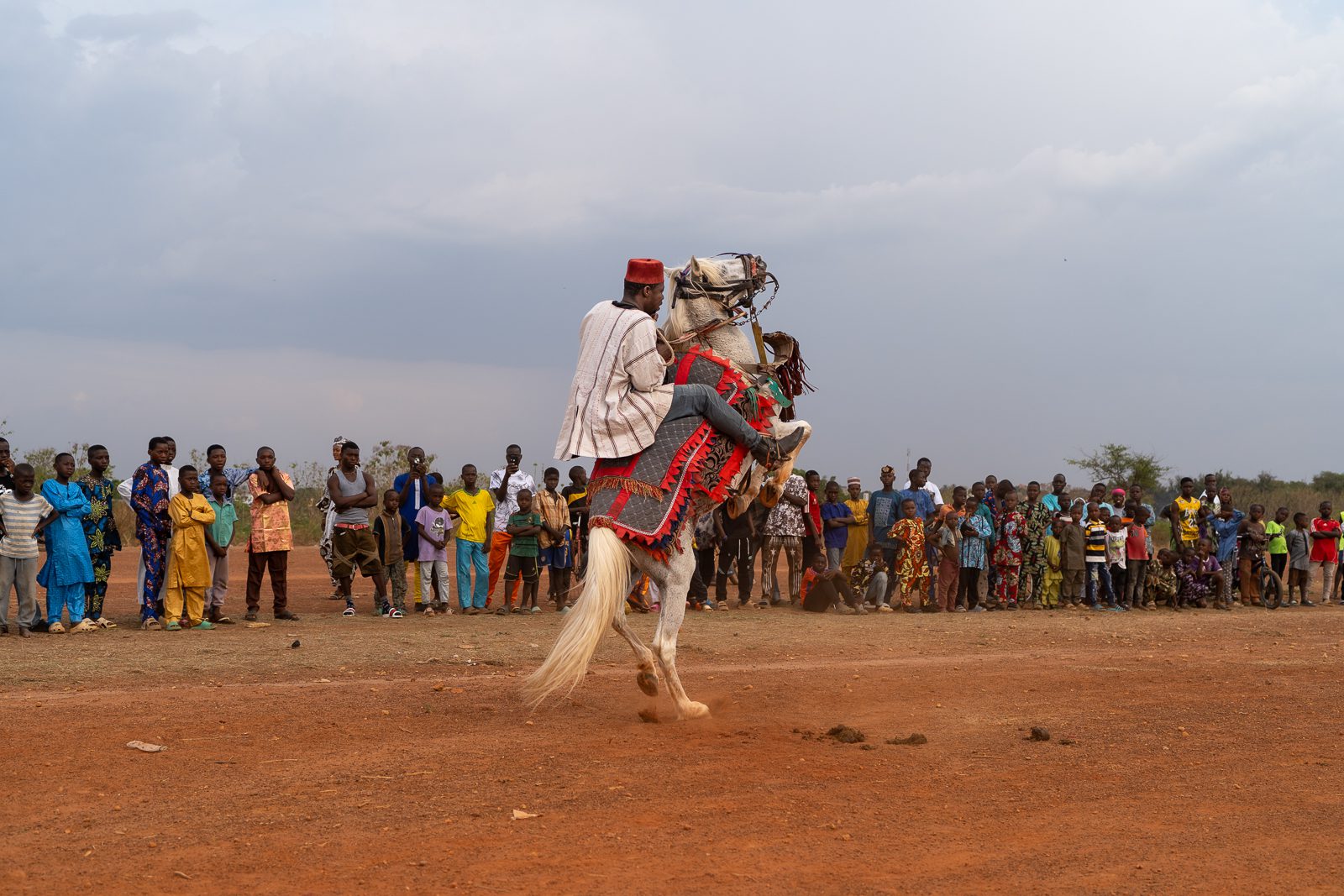
Watching the dance, it becomes clear that the horse is not the only protagonist. What matters is the deep bond between man, community and memory. The riders challenge one another with intricate manoeuvres, sudden bursts of speed and movements that seem like a silent conversation between horse and rider. The crowd cheers them on with enthusiasm, as though recognising a part of itself in every movement.

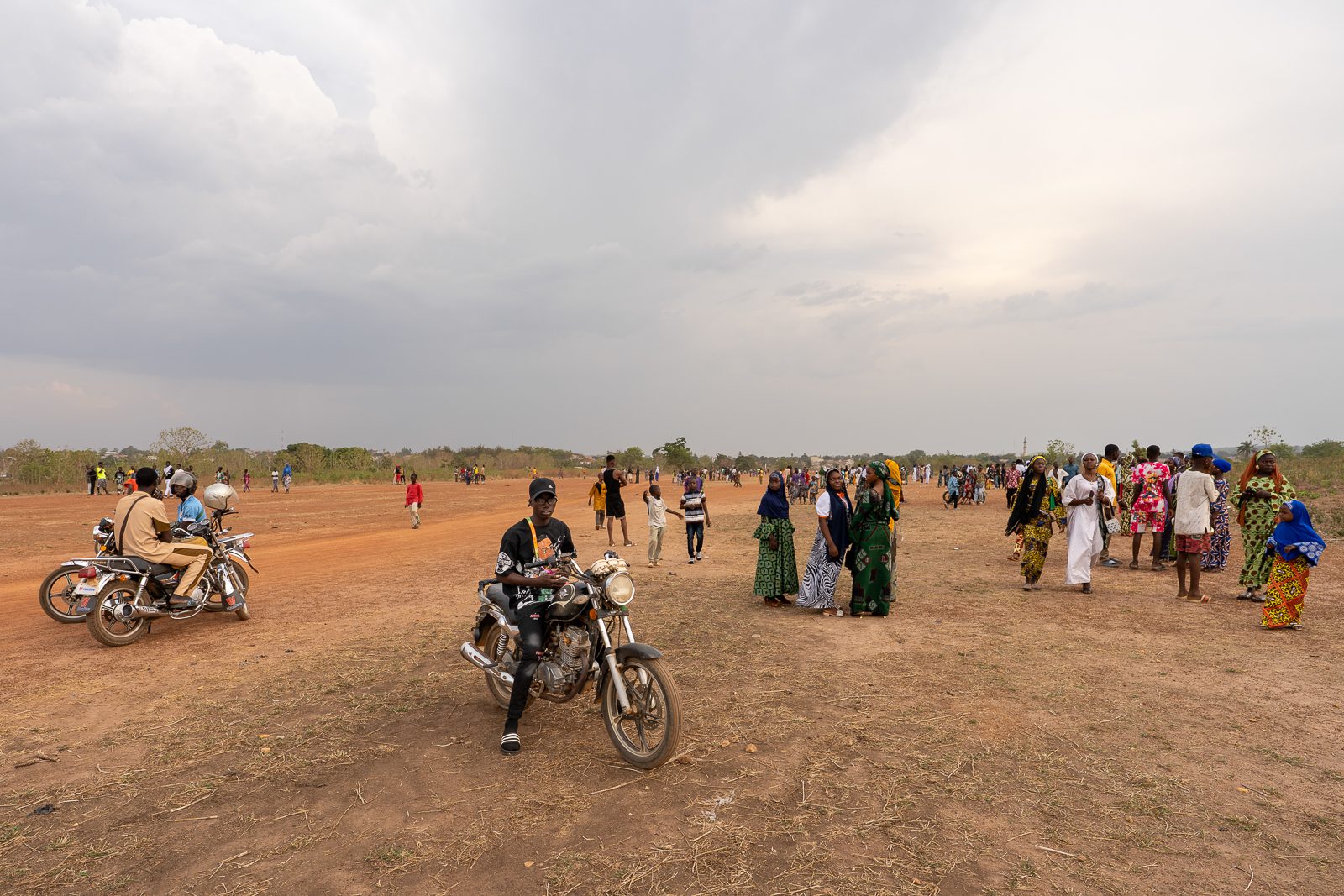
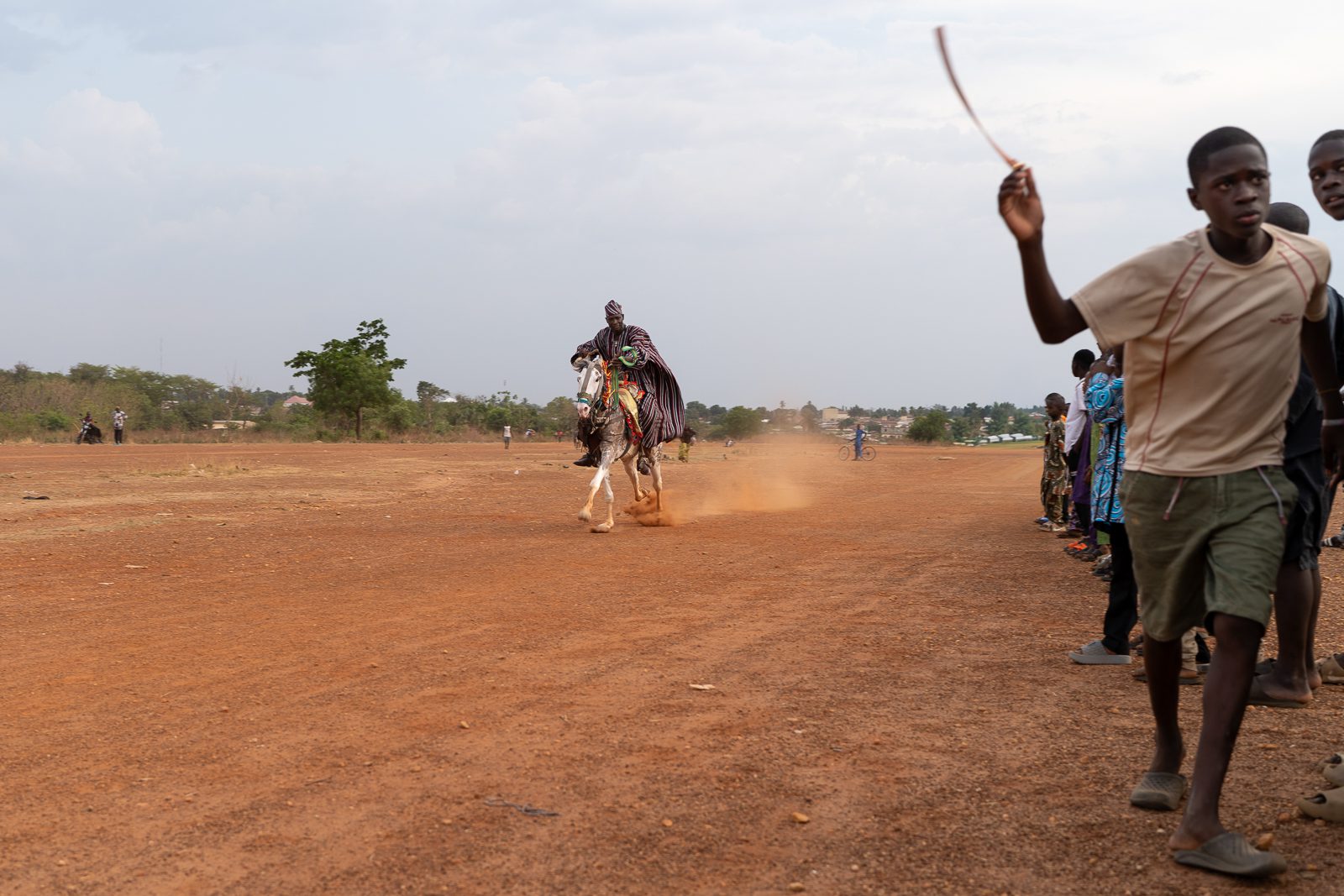
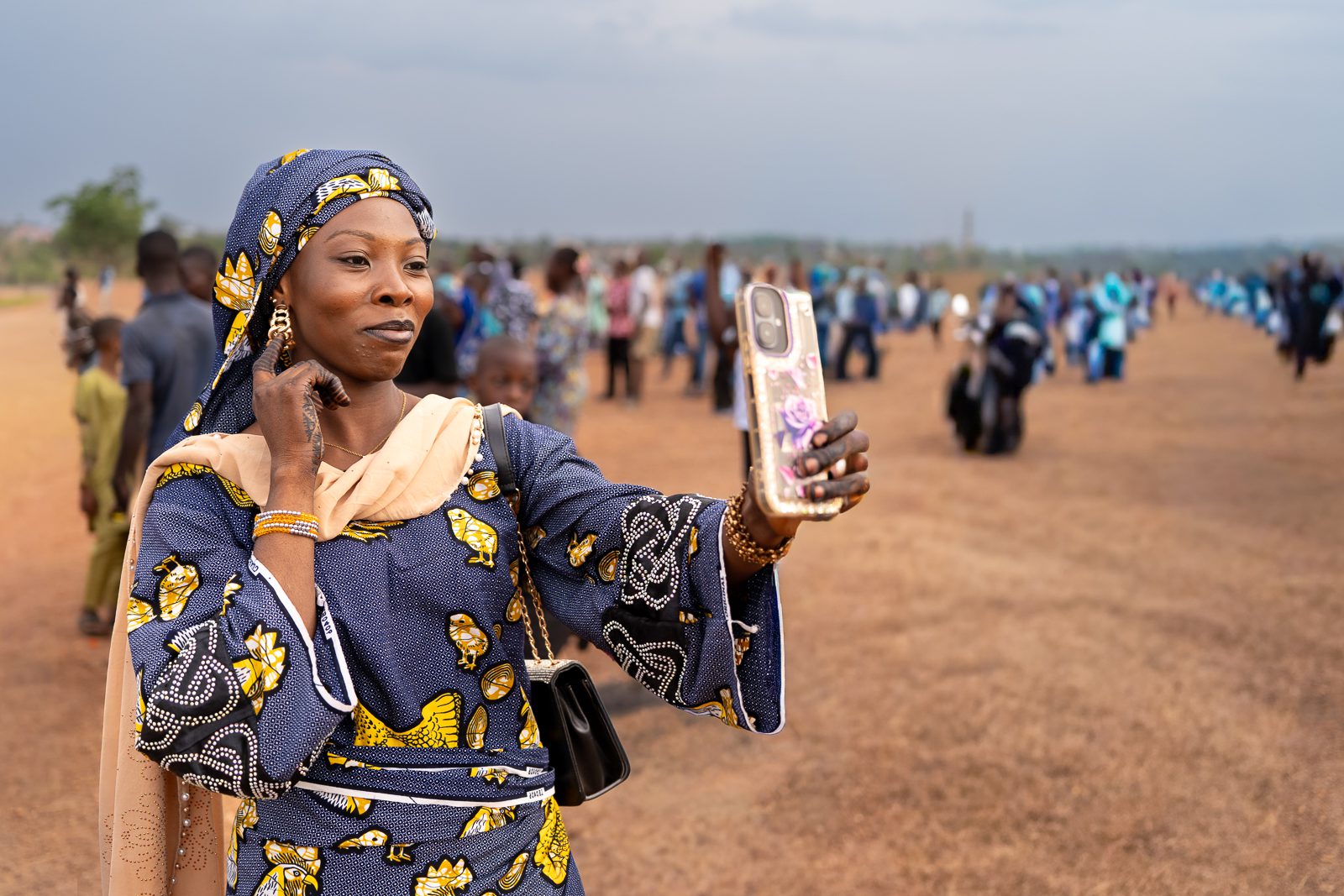
But the true strength of the celebration lies in the faces. In the eyes of the elderly, watching with pride a tradition that has stood the test of time. In those of children, following the horsemen, perhaps dreaming of becoming one themselves one day. And in those of the women, who take part in the festivities dressed in their finest clothes, transforming the entire town into a mosaic of colour.
For those arriving from afar, the horse dance is a sensory explosion. The heat enveloping the streets, the dust rising with every gallop, the drums beating out the rhythm, the vivid colours of the fabrics and decorations. Everything seems to move at once. And yet, amid this apparent chaos, an extraordinary sense of harmony emerges.

Photographing this celebration means trying to capture what is, by its very nature, in constant motion. It means chasing a fragment of history that lasts only a few moments: a horse rearing, a hand raised in greeting, a child running alongside the horsemen, a cloud of dust caught in the light of the setting sun.
The photographs tell what words struggle to describe. They speak of the pride of a community that continues to cherish its roots in a rapidly changing world. They tell of a tradition that does not live in museums, but in the streets, among the people, in the beat of the drums and the gallop of the horses.<br/>For a few hours, Sokodé becomes the centre of a universe shaped by memory and the present, by ritual and everyday life. And those who witness the horse dance take away far more than the memory of a spectacle: they carry with them the privilege of having seen a culture tell its own story, in its own voice, without the need for translation.